





1. Moose and Beaver Safaris in Bergslagen Forest
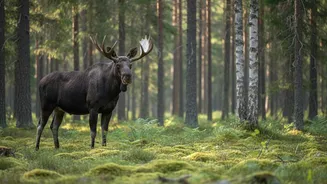
Just a two-hour drive from Stockholm, the dense forests of Bergslagen offer some of Sweden's most reliable wildlife sightings. This region is famed for its high density of moose, often called the 'king of the forest'. Responsible tour operators here guide
small groups on foot and by vehicle to track these majestic animals by looking for prints and bite marks. Many tours have a remarkable success rate, having spotted moose on nearly every outing for years. The experience is often combined with evening beaver safaris, where you can glide in quiet boats across serene lakes to watch these industrious builders at work. Choosing a certified eco-tourism company ensures your visit supports local conservation and that animals are observed with minimal disturbance. Many guides are deeply knowledgeable, sharing insights into the forest's ecosystem.
2. Seal Watching in Kosterhavet National Park
Along the beautiful west coast lies Kosterhavet, Sweden's first and only marine national park. This protected archipelago is a sanctuary for a large population of harbour seals. The best way to see them is by joining a guided boat tour or a kayaking excursion. Responsible operators, like those departing from Strömstad or the idyllic Resö island, are committed to sustainability, ensuring boats keep a respectful distance from the rocks where seals bask. Guides are often local to the coast, sharing stories and knowledge about the marine ecosystem while navigating with care. These trips not only provide incredible views of the curious seals but also support the preservation of Kosterhavet's unique environment. Many tours include a stop at Ursholmen, Sweden’s westernmost lighthouse station, for a dose of history and dramatic coastal scenery.
3. Brown Bear Viewing from Forest Hides
For a truly thrilling and patient wildlife experience, spending a night in a forest hide offers a safe and non-intrusive way to see wild brown bears. In regions like Hälsingland and Gästrikland, just a few hours from Stockholm, tour operators have built specially designed cabins in the heart of bear territory. These hides allow for close observation without disturbing the animals, who have grown accustomed to a quiet human presence. From these vantage points, you might also spot foxes, badgers, and other forest creatures. The experience is structured around the bears' natural rhythms, with viewings most likely during the quiet hours of the evening and early morning. Operators enforce strict rules, such as not leaving the hide and minimizing noise, to ensure the animals' welfare and maximize sighting opportunities.
4. Culturally Sensitive Reindeer Experiences in Lapland
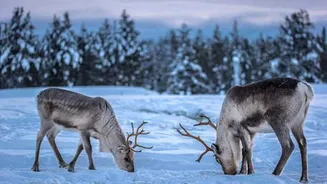
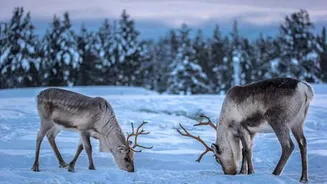
In Swedish Lapland, the reindeer is central to the culture of the indigenous Sámi people. For a wildlife experience to be responsible here, it must also be culturally respectful. Ethical tourism means choosing operators who are Sámi-owned or work in genuine partnership with local herders, ensuring the benefits stay within the community. A truly authentic experience goes beyond a simple sleigh ride; it involves learning about the realities of modern reindeer herding and the deep connection between the Sámi and their animals. Responsible operators prioritise animal welfare, using small groups, ensuring reindeer have adequate rest, and allowing them to live as naturally as possible. This approach provides a meaningful exchange, where you gain a deeper understanding of Sámi life while supporting its preservation.
5. Migratory Bird Spectacle at Falsterbo
Located at the southwestern tip of Sweden, the Falsterbo peninsula is one of Europe's most important sites for autumn bird migration. Each year, millions of birds, including massive flocks of raptors like honey buzzards and sparrowhawks, funnel through this area on their way south. The sheer number of birds can be staggering, creating a world-class spectacle for birdwatchers. The best viewing time is from September to October. Responsible watching here is about respecting the environment and the scientific work being done. The area has a bird observatory and banding station that conducts vital research. Visitors can observe from designated points like Nabben for songbirds and Ljungen for birds of prey, minimizing disturbance to the birds and their habitats. It’s a powerful, natural event that highlights the importance of preserving migratory routes.