



The Soul of the Bhog: Khichuri and Labra
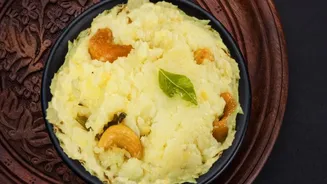
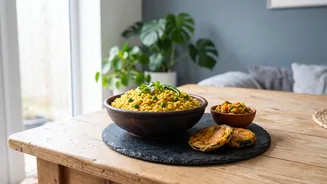
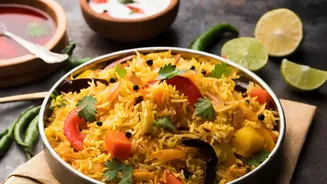
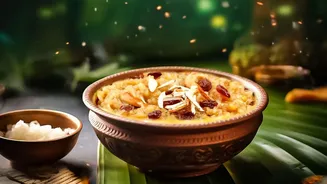
No Durga Puja is complete without partaking in the bhog, the blessed food offered to the goddess before being distributed to devotees. The star of this sacred meal is Bhoger Khichuri, a simple yet divine preparation of rice and moong dal cooked with ghee
and mild spices. It’s not just a dish but an offering that embodies purity and community. Its perfect companion is Labra, a gently spiced mixed vegetable curry where seasonal vegetables like pumpkin, brinjal, potatoes, and beans are slow-cooked together. This no-onion, no-garlic dish is designed to complement the Khichuri, creating a comforting and soulful meal that tastes unmistakably of the festival.
The Festive Starter: Luchi and Alur Dom
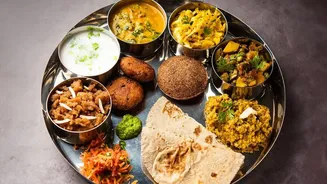
For many Bengalis, the festive mornings of Puja begin with Luchi and Alur Dom. Luchis are soft, puffy, deep-fried breads made from refined flour that turn a beautiful golden hue. They are incredibly light and airy, serving as the perfect vessel for a host of side dishes. The most classic pairing is Alur Dom, a flavourful curry of slow-cooked potatoes in a thick, spiced gravy, often with hints of ginger and cumin. Another popular partner for luchi is Cholar Dal, a subtly sweet and savoury lentil dish made with chana dal, often studded with coconut pieces and raisins. This combination is a staple for special breakfasts and gatherings throughout the Puja days.
The Grand Feast: Kosha Mangsho
While the bhog is traditionally vegetarian, home feasts during Durga Puja often feature a celebrated non-vegetarian centrepiece: Kosha Mangsho. This iconic Bengali dish involves slow-cooking mutton pieces on the bone with a rich blend of spices until the meat is fall-off-the-bone tender and the gravy is thick, dark, and intensely flavourful. The 'kosha' technique refers to this patient process of sautéing, which allows the meat to absorb the robust flavours of ginger, garlic, onions, and whole spices. Often reserved for special occasions like the Navami feast, Kosha Mangsho served with luchis, parathas, or fine rice is the epitome of festive indulgence.
A Celebration of Fish: Ilish and Bhetki
A Bengali celebration would feel incomplete without its prized fish. During Durga Puja, preparations of Ilish (Hilsa) and Bhetki (Barramundi) are common. Ilish Shorshe, where Hilsa is steamed in a pungent and sharp mustard gravy, is a legendary delicacy. Another beloved preparation is Bhetki Macher Paturi, where fillets of Bhetki are marinated in a spiced mustard paste, wrapped in banana leaves, and then steamed or grilled. These dishes celebrate the region's aquatic bounty and are often part of the grand family lunches and dinners on Saptami or Dashami.
The Pandal-Hopping Fuel
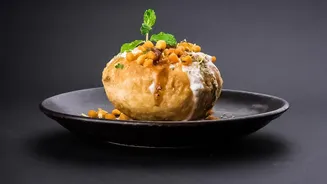
Durga Puja is as much about visiting elaborate pandals as it is about rituals, and this requires fuel. The streets of Kolkata, and any city celebrating Puja, come alive with food stalls serving irresistible snacks. Phuchka, the crispy semolina globes filled with spiced potatoes and tangy tamarind water, is a non-negotiable stop. Equally essential are Kathi Rolls, with their fillings of egg, chicken, or mutton wrapped in a flaky paratha. Other fried delights, collectively known as 'telebhaja,' include Beguni (eggplant fritters) and Kobiraji cutlets, which are best eaten hot and fresh from the pan.
The Sweet Finale: Mishti Overload
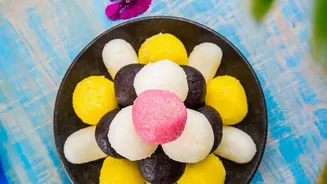
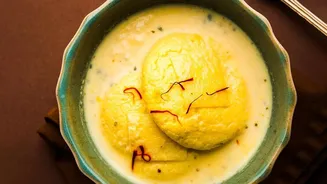
No Bengali meal, especially a festive one, is over until a sweet is served. Durga Puja is a time for an abundance of 'mishti' (sweets). The offerings range from the iconic Rosogolla, spongy cheese balls in a light sugar syrup, to Sandesh, a delicate sweet made from fresh chhena (cottage cheese). Another favourite is Mishti Doi, a sweet, caramelised yogurt set in earthen pots. On Bijoya Dashami, the final day of the festival, families visit each other with boxes of sweets, and homes are filled with treats like Narkel Naru (coconut laddoos) and Payesh (a fragrant rice pudding).