




The Case for Coconut Water
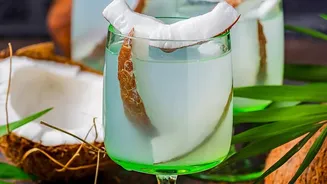
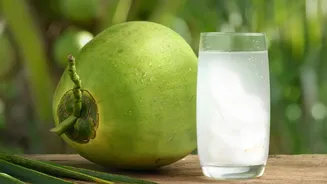
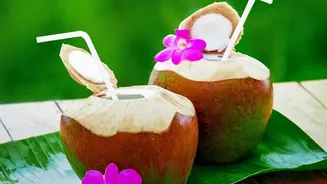
Often called 'nature's sports drink', fresh coconut water is a powerhouse of hydration. It's naturally low in calories and sugar, making it a light and guilt-free option. Its main claim to fame is its impressive electrolyte content, particularly potassium.
Electrolytes are minerals that are crucial for maintaining fluid balance in the body, and we lose them through sweat. This makes coconut water an excellent choice for rehydrating after light exercise or after spending time in the sun. From an Ayurvedic perspective, coconut water is highly valued for its cooling properties, which help to pacify Pitta dosha—the element associated with heat in the body. For maximum benefit, it's best consumed fresh from a tender coconut.
The Power of Buttermilk
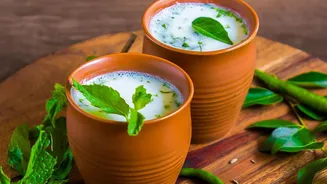
Buttermilk, or 'chaas' as it's lovingly known, is more than just a refreshing drink; it's a digestive aid. Traditional buttermilk is the liquid left over after churning butter, and it's loaded with probiotics. These are live, beneficial bacteria that support a healthy gut microbiome, which is essential for good digestion and a strong immune system. Beyond gut health, buttermilk is a source of calcium and protein. While it does contain some electrolytes like potassium, its sodium content can be higher, especially in salted versions, which can be beneficial for replacing salt lost through heavy sweating. Traditionally spiced with cumin, mint, or black salt, its nutritional value and digestive benefits are further enhanced.
Nutritional Showdown: By The Numbers
When we compare the two side-by-side, some clear differences emerge. Per 100 grams, coconut water is significantly lower in calories, with about 18-46 calories compared to buttermilk's 60-98, depending on the preparation. Coconut water is generally lighter in protein and fat but can have slightly more natural sugar. Buttermilk, on the other hand, provides more protein and is an excellent source of calcium and Vitamin B12. In terms of key electrolytes, coconut water typically has a higher concentration of potassium, which is great for general hydration. Buttermilk often contains more sodium (especially if salt is added), which is crucial for recovery after intense, prolonged sweating.
Which is Better for Pure Hydration?
If your primary goal is rapid hydration and replenishing electrolytes lost during a normal hot day or a light workout, coconut water often has the edge. Its specific combination of electrolytes, especially potassium, and natural sugars helps the body rehydrate quickly and efficiently. However, that doesn't mean buttermilk isn't hydrating. It has a high water content and also provides electrolytes that help replenish lost fluids while offering a uniquely cooling sensation. For intense activity involving a lot of sweat, the sodium in buttermilk can be more effective at restoring balance.
Beyond Thirst: Digestion and Gut Health
This is where buttermilk truly shines. The probiotics in traditionally prepared buttermilk are fantastic for your digestive system. These good bacteria help maintain a healthy gut, improve nutrient absorption, and can soothe the stomach, reducing issues like bloating and acidity. This makes it an ideal drink to have after a meal, especially a heavy or spicy one. Coconut water, while easy to digest, does not contain these probiotic cultures. So if you're looking for a drink that actively supports your digestive health, buttermilk is the clear winner.
The Verdict: Which Should You Choose?
There is no single winner in this contest, as the best choice depends entirely on your needs. Both are far healthier alternatives to sugary sodas and packaged juices. Think of it this way: Reach for coconut water for instant, light hydration and an electrolyte boost, especially on an empty stomach or after a workout. Choose buttermilk for its powerful digestive benefits, as a cooling post-meal drink, or when you need a more filling and protein-rich beverage. For the best of both worlds, many experts suggest alternating between the two to stay optimally hydrated and healthy throughout the day.