



The Elusive 'Susu' of the Ganga
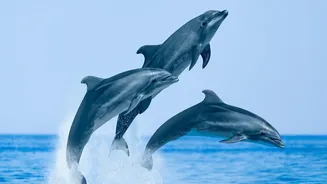
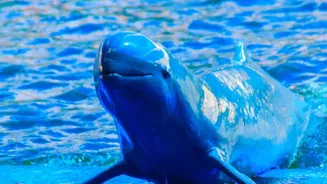
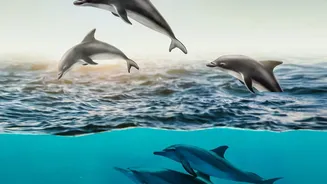
A trip on the Ganga in search of the river dolphin is a journey into the heart of one of India's most vital ecosystems. Known locally as 'susu' for the sound it makes when it breathes, the Gangetic dolphin is a shy and enigmatic creature. It is one of only
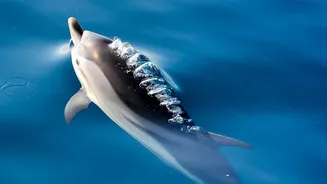
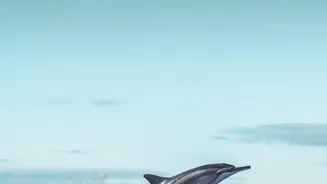
a few true freshwater dolphin species in the world and has been navigating these murky waters for millennia. As the National Aquatic Animal of India, spotting one is a highlight for any nature lover. Unlike their marine cousins, these dolphins are functionally blind, relying on a sophisticated form of echolocation to paint a picture of their underwater environment. Watching one surface—a smooth, grey-brown arc in the flowing water—is a quiet, magical moment that connects you directly to the health of the river itself.
Why a Naturalist Makes All the Difference
Any boat operator might be able to take you to a spot where dolphins are occasionally seen. However, a trip with a trained naturalist transforms the experience from passive viewing to active understanding. A naturalist is an interpreter, bridging the gap between our world and the dolphin's. They can explain the subtle behaviours you might otherwise miss: the unique side-swimming technique used to find food along the riverbed, the social structures of their small pods, and the meaning behind their surface activities. More importantly, a naturalist ensures the encounter is respectful. They follow guidelines to avoid stressing the animals, such as maintaining a safe distance, cutting the engine, and never chasing or encircling them—practices that untrained operators might ignore. This responsible approach not only protects the dolphins but provides a more authentic and meaningful sighting for visitors.
Understanding the Dolphin’s World
The information shared by a naturalist brings the dolphin's struggle for survival into sharp focus. They can explain how these creatures, perfectly adapted to a freshwater environment, are now facing unprecedented challenges. The construction of dams and barrages fragments their habitat, isolating populations and making it difficult to find food and mates. A naturalist can point to the surrounding landscape and discuss how pollution from industries and agriculture seeps into the river, contaminating the water and accumulating in the bodies of top predators like the dolphin. They can also shed light on the threat of accidental entanglement in fishing nets, a major cause of mortality for these animals that share their fishing grounds with local communities.
Turning Tourism into a Force for Good
Choosing a dolphin cruise with a qualified guide is about more than just getting a better tour; it's an act of conservation. This model of ecotourism, when done correctly, provides a powerful incentive for local communities to protect the dolphins. Initiatives like the 'Dolphin Jalaj Safari', which involves trained local volunteers known as 'Ganga Praharis', create sustainable livelihoods linked directly to the well-being of the river. When boat operators and fishing communities see a direct economic benefit from healthy dolphin populations, they become the first line of defence against poaching and habitat destruction. By paying for an educational, respectful experience, tourists help fund these local conservation efforts, ensuring that revenue from tourism supports the protection of the very ecosystem people have come to see.