

Dazzling Planets on Morning and Evening Display
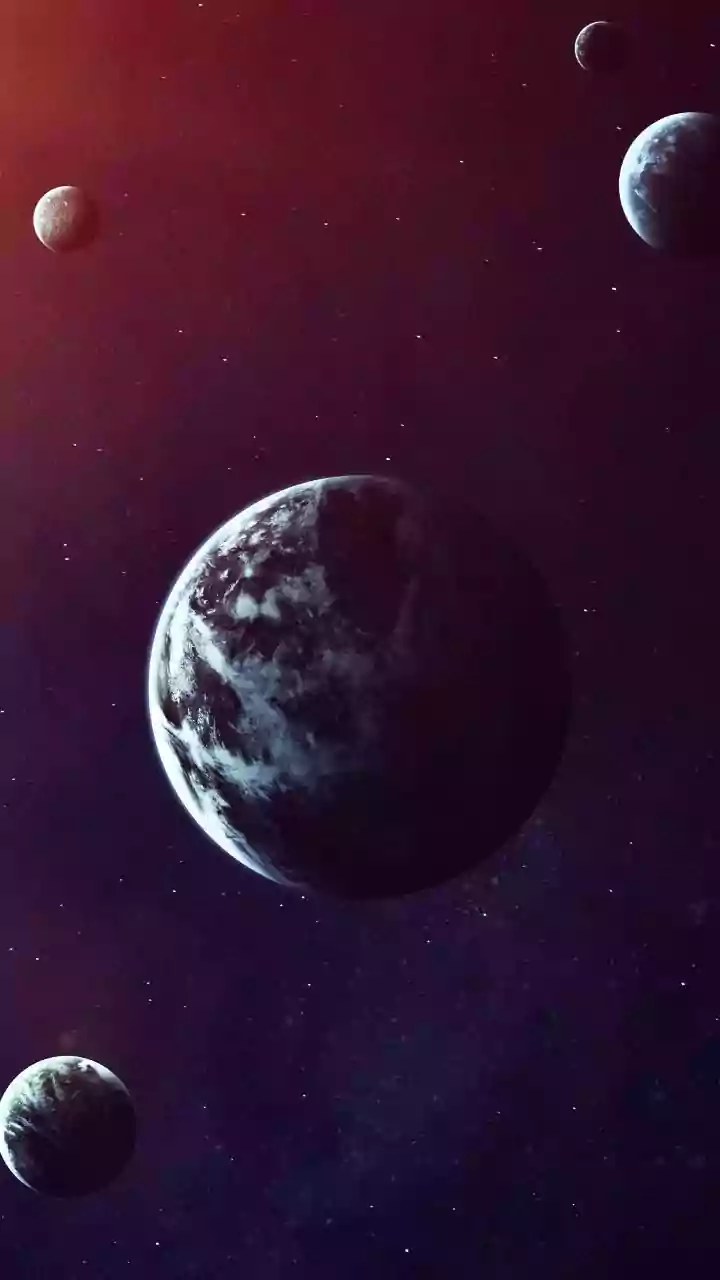
September offers a planetary parade for both early birds and night owls. Throughout the month, the planet Venus will be a stunningly bright beacon in the western sky shortly after sunset. It reaches its peak brightness for the year on September 22, shining
more brilliantly than any other object in the night sky except for the Moon. If you're up before sunrise, you can spot two other worlds. Look to the pre-dawn east to find very bright, white Jupiter and the fainter, reddish glow of Mars. On the morning of September 8, the thin crescent Moon will pass incredibly close to Jupiter, creating a beautiful pairing in the eastern sky. A few days earlier, on September 6, the crescent Moon will also have a close encounter with Mars.
The September Epsilon Perseid Meteor Shower
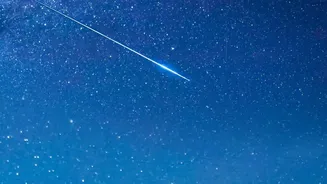
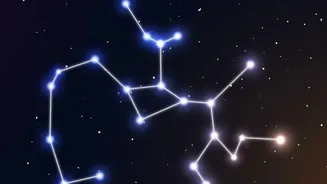
While not as famous as the August Perseids, the September Epsilon Perseid meteor shower offers a great chance to spot some shooting stars. This minor shower peaks on the night of September 9, into the early morning of September 10. Under ideal conditions, you might see up to eight meteors per hour. What makes the 2026 shower special is the timing. The peak occurs just before the New Moon, meaning the sky will be exceptionally dark and free from moonlight, providing excellent viewing conditions for spotting the fast-moving streaks of light. For the best view, find a location away from city lights after midnight, let your eyes adjust for about 20 minutes, and look towards the constellation Perseus.
The Arrival of the Autumnal Equinox
Mark your calendars for September 22, the date of the autumnal equinox in the Northern Hemisphere. This is the astronomical start of autumn, the moment the Sun crosses the celestial equator from north to south. While it's not a visual event you can watch in the sky, it represents a celestial milestone. After this date, the nights will officially become longer than the days, heralding the shift towards winter. For people in the Southern Hemisphere, this same moment marks the vernal, or spring, equinox, a time of increasing daylight and new growth. The equinox is a global event that happens at the same instant for everyone, though the local date and time depend on your time zone.
The Full Harvest Moon
The celestial highlight of the month is undoubtedly the full Harvest Moon, which will grace the sky on the night of Saturday, September 26. This is the name given to the full Moon that occurs closest to the autumnal equinox. Traditionally, its bright light, rising around sunset for several evenings in a row, helped farmers work late into the night to bring in their crops. When the Moon is low on the horizon just after it rises, it will take on a beautiful golden or orange hue. As a bonus, the planet Saturn will be visible as a bright, star-like object shining near the full Moon, making for a spectacular photo opportunity. Though the Moon is officially full during the day for those in North America, it will appear perfectly round and bright on the nights of both September 26 and 27.