






The Production vs. Consumption Puzzle
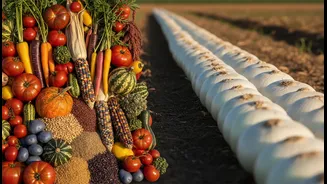
For years, the prevailing wisdom in agricultural and nutritional policy has been that increasing the diversity of crops on farms would naturally lead to more diverse and nutritious diets for the population. This concept, known as production diversity,
is a cornerstone of efforts to fight malnutrition. However, several studies are now questioning this direct link. The core finding is that simply growing more types of food doesn't automatically mean people are eating them. Research shows the association is often weak or, in some cases, non-existent. This suggests that other factors—market access, income, cultural habits, and government policy—play a much larger role in shaping what ends up on our plates than what is simply available in the fields.
Defining 'Real Consumption Diversity'
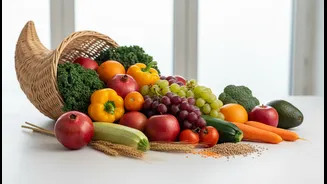
This brings us to the idea of "real consumption diversity." It is not just about the variety of foods available in a country or a region, but the variety of foods that people actually purchase, prepare, and eat regularly. Studies in India have shown that even in agriculturally rich areas, diets can be overwhelmingly dominated by staples like rice and wheat. One analysis based on a survey of 3,600 Indian households found that conventional field-level crop diversity had no significant impact on dietary diversity. What did make a difference was on-farm diversity that included non-staples like pulses and livestock, as well as households' ability to purchase a range of foods from the market. This highlights that access and affordability are critical drivers of what people truly consume.
An Indian Paradox: Rich Biodiversity, Limited Diets
India is a global hotspot of agrobiodiversity, with thousands of traditional crop varieties and a rich culinary heritage built on regional diversity. Yet, a significant portion of the population suffers from micronutrient deficiencies, or "hidden hunger." Policies have historically incentivised the production of high-yield cereals through subsidies and minimum support prices, leading to the dominance of rice and wheat in both fields and on plates. While the government has recently made efforts to promote traditional crops like millets, the challenge remains to translate this production push into widespread consumption. The research suggests that policies need to do more than just support farmers growing diverse crops; they must also create demand and make these foods accessible and affordable for consumers.
Policy Implications: Beyond the Farm Gate
The message for policymakers is clear: to improve nutrition, the focus must shift from solely encouraging production diversity to actively fostering consumption diversity. This means looking beyond the farm gate. Policies could include reforming the Public Distribution System (PDS) to include more millets, pulses, and local grains. It might involve creating better market linkages so that farmers growing diverse crops can easily sell their produce and consumers can easily buy it. Nutrition awareness campaigns are also crucial, as one study noted that women's literacy and nutritional awareness were significant determinants of dietary diversity. Furthermore, during shocks like the COVID-19 pandemic, farmers with greater crop diversity showed more resilience, suggesting that diversifying production is still crucial, but it needs to be coupled with market and consumer-side strategies to have a meaningful nutritional impact under normal circumstances.
A Sustainable Food Future
Building policy around real consumption diversity is not just about improving nutrition; it's also about creating a more resilient and sustainable food system. Monoculture farming depletes soil health and makes agriculture vulnerable to pests, diseases, and climate change. A food system that encourages a wide variety of foods supports agricultural biodiversity, which is essential for long-term food security. By creating demand for a broader range of crops, consumers and the policies that guide them can send a powerful signal to the agricultural sector. This can encourage farmers to cultivate a wider array of crops, preserving traditional varieties and creating a food system that is healthier for both people and the planet.