







A Land on Edge
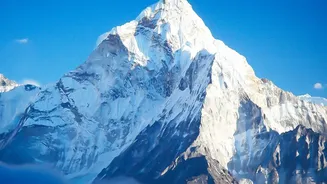
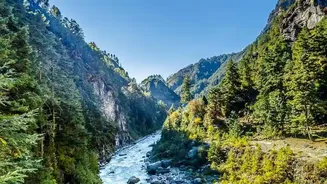
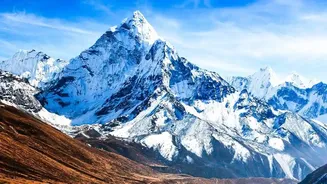
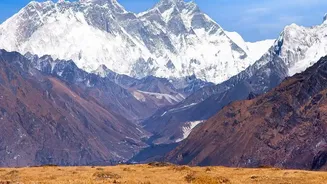
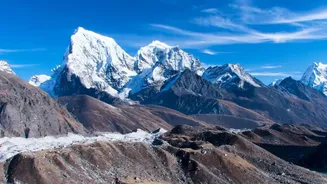
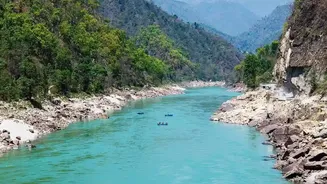
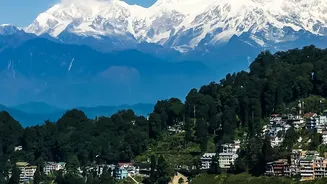
Nepal's geography is both its greatest asset and its most profound vulnerability. The country is defined by the Himalayas, with steep, dramatic slopes and fast-flowing rivers. This landscape sits in a seismically active zone, where the collision of tectonic
plates creates constant geological pressure. This inherent fragility means the ground itself is often unstable. Recent studies highlight that this natural geological weakness is one half of a deadly equation. When combined with the accelerating impacts of climate change, the risk of catastrophic floods and landslides multiplies, turning predictable seasonal rains into sources of fear and uncertainty.
How Climate Change Fuels the Deluge
The other half of the equation is a rapidly warming climate. The Himalayan region is warming at nearly twice the global average, a change that has profound consequences. One of the most significant impacts is on the country's glaciers. As temperatures rise, glaciers are melting at an accelerated rate, with ice loss doubling since the year 2000. This meltwater forms vast, unstable lakes behind natural dams of rock and debris. Known as Glacial Lake Outburst Floods (GLOFs), the sudden failure of these dams can release millions of cubic metres of water in a few hours, causing catastrophic flooding downstream. Furthermore, climate change is making monsoon patterns more erratic and intense, leading to short bursts of extreme rainfall that the fragile slopes cannot absorb.
The Peril of Permafrost Thaw
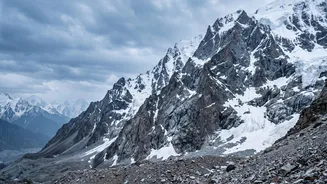
A recent study from World Weather Attribution into a devastating flood in August 2026 pinpointed another critical factor: melting permafrost. Permafrost, or ground that remains frozen year-round, acts like a glue, holding steep mountain slopes together. As global warming causes this frozen ground to thaw, the rock and soil become destabilized. The study concluded that while a 2015 earthquake may have initially weakened the rock, the long-term warming trend that thinned glaciers and thawed permafrost was a likely contributor to the slope's eventual collapse, which triggered the deadly flood. This highlights a complex, cascading series of events where one impact of climate change exacerbates another.
The Human Cost of a Compound Crisis
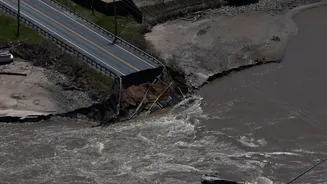
The convergence of these geological and climatic factors has a devastating human toll. Flash floods and landslides regularly sweep away homes, roads, bridges, and farmland, cutting off entire communities and destroying livelihoods. The August 2026 flash floods, for instance, affected over 84,000 people and resulted in more than 1,300 deaths, with thousands more missing. These disasters disproportionately affect vulnerable communities in mountain and hill regions who have little capacity to adapt. Vital infrastructure like hydropower plants, crucial for Nepal's economy, are also at constant risk. As one hydrologist noted, the destructiveness of modern floods is rarely due to water alone; it is a combination of natural forces amplified by a lack of preparedness and the high exposure of communities.
A Call for Urgent Adaptation
Understanding that floods in Nepal are driven by this dual threat is crucial for developing effective solutions. Experts argue that solely blaming climate change is not enough; the response must also account for the underlying geological risks. This includes better land-use planning to avoid construction in high-risk zones and building infrastructure that is more resilient to both floods and seismic activity. At the same time, the reality of climate change demands investment in advanced early warning systems for both GLOFs and flash floods. This can involve seismic sensors to detect landslides and automated alerts that don't rely on infrastructure that could be washed away. Nepali officials have also stressed that this is a global issue, calling for international cooperation to preserve the Himalayan ecosystem and tackle the root causes of climate change.