


Why Your Diet Must Change
Ozempic and similar medications work by mimicking a hormone that slows down digestion and signals to your brain that you're full. This powerful effect leads to eating less, which is key for weight loss but also creates a new challenge: getting all the
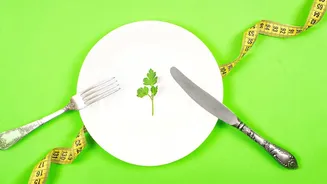
essential nutrients your body needs in a smaller amount of food. Without a conscious effort, this reduced intake can lead to nutritional deficiencies in key vitamins and minerals like B12, iron, and vitamin D, as well as malnutrition in rare cases. The goal is to make every bite as effective as possible, focusing on quality over quantity to fuel your body correctly.
Prioritise Protein Above All Else
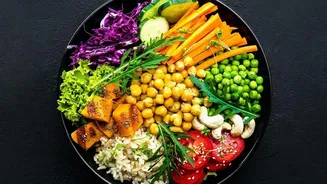
If there's one nutrient to focus on, it's protein. Significant and rapid weight loss can cause the body to lose not just fat, but also valuable muscle mass. Studies show a significant portion of weight lost on these medications can come from lean mass. This is a problem because muscle is vital for strength, mobility, and maintaining a healthy metabolism. Prioritising protein helps protect your muscles. Aim to include a quality protein source with every meal. Good options include lean meats like chicken and turkey, fish, eggs, Greek yogurt, cottage cheese, beans, and lentils. Some experts suggest consuming your protein first during a meal to ensure you get it in before feeling full.
Choose Smart Carbohydrates and Fibre
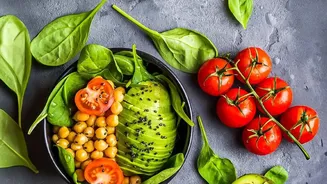
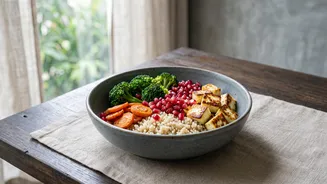
While it can be tempting to cut carbs drastically for weight loss, they are still an important energy source. The key is to choose nutrient-dense carbohydrates that also provide fibre. Fibre is crucial for digestive health and can help manage common side effects like constipation. It also contributes to feeling full and satisfied. Focus on whole grains like brown rice and quinoa, non-starchy vegetables like leafy greens and broccoli, and fruits. These foods deliver energy along with essential vitamins and minerals, rather than the empty calories found in sugary snacks and highly processed foods.
Don't Fear Healthy Fats
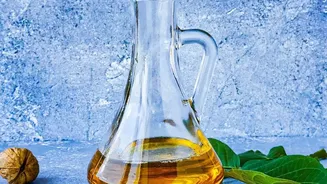
Fats are another essential part of a balanced diet, responsible for hormone production and helping your body absorb certain vitamins. However, high-fat, greasy, or fried foods can sometimes worsen gastrointestinal side effects like nausea for people on Ozempic. The solution is to focus on incorporating small amounts of healthy fats. Foods like avocado, nuts, seeds, and olive oil can make smaller meals more satisfying while supporting your overall health. These healthy fats are a world away from the unhealthy fats found in many processed and fast foods.
Stay Hydrated and Consider Your Micronutrients
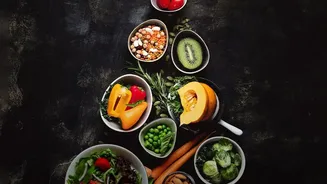
With a reduced appetite, you might also find yourself drinking less. Dehydration can worsen side effects and impact your energy levels, so make a conscious effort to drink plenty of water throughout the day. Because your overall food volume is lower, you might also be at a higher risk for deficiencies in micronutrients like B vitamins, calcium, and iron. A well-planned, diverse diet rich in colourful fruits and vegetables is your first line of defence. However, it is important to discuss your diet with your doctor, who may recommend specific supplements to fill any nutritional gaps and ensure your body is getting everything it needs to thrive during your weight loss journey.