



More Than Just a Mashup
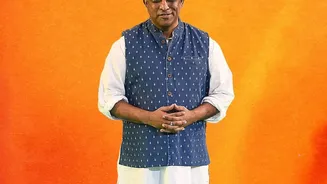
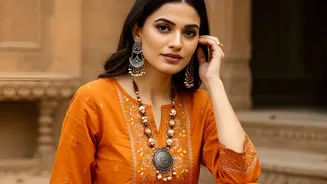
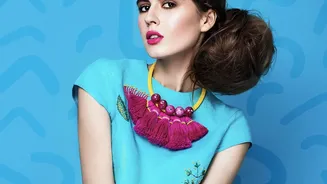
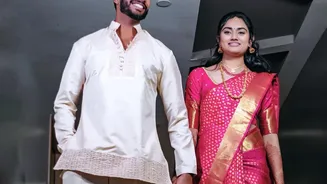
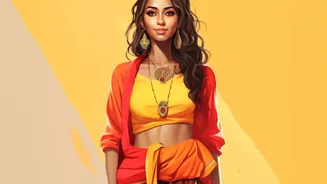
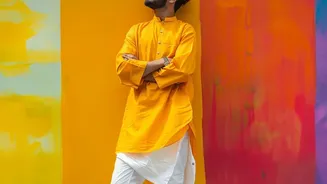
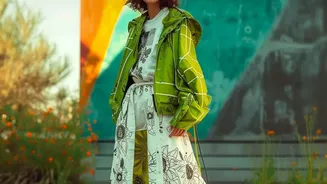
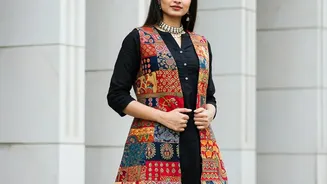
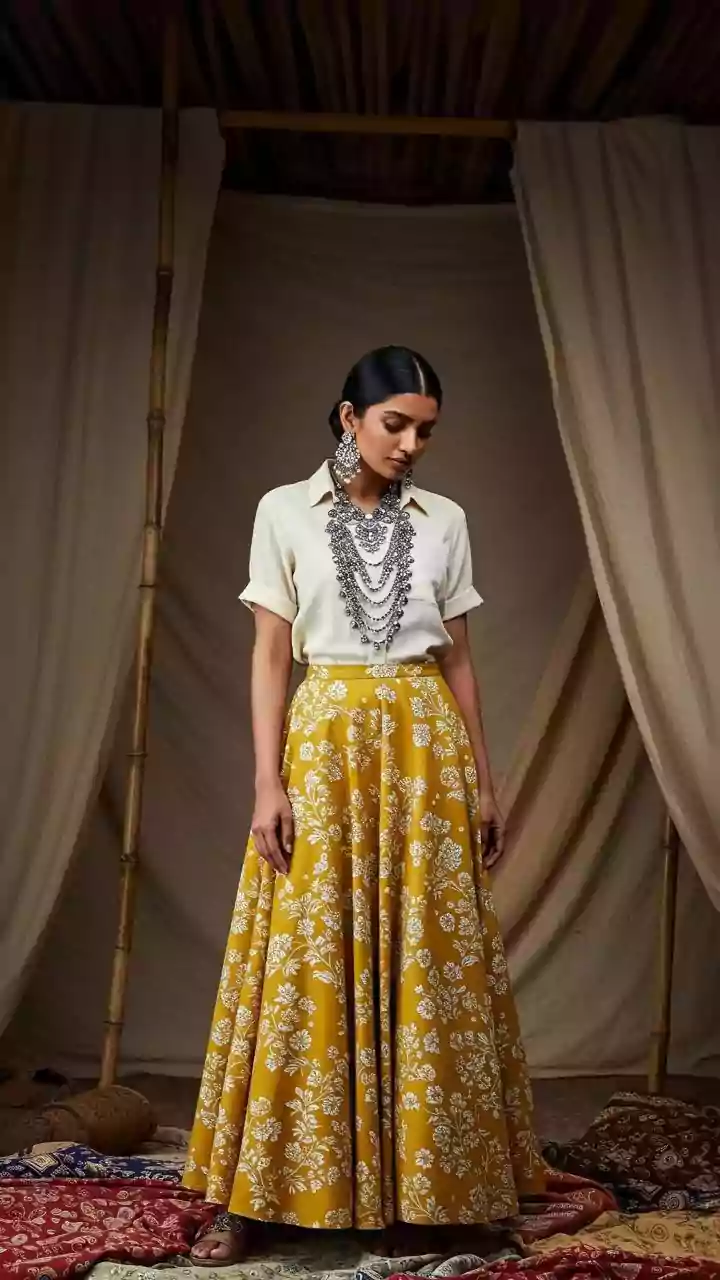
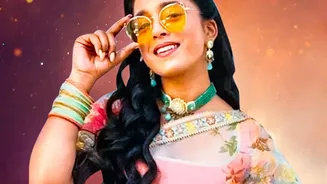
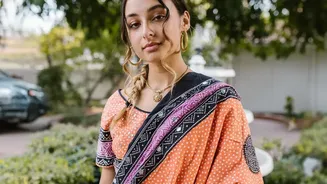
So, what exactly is Indian-Western fusion wear? It’s far more than just throwing a denim jacket over a traditional outfit. This style involves a thoughtful combination of silhouettes, fabrics, and embellishments that honor both cultures. Think of pre-draped
saree gowns that offer the elegance of a saree without the complex wrapping, or a lehenga skirt paired not with a traditional choli, but with a chic crop top or even a tailored blazer. Other popular examples include dhoti pants styled with embellished tops, long kurtas worn as dresses with a belt, and intricately embroidered jackets layered over simple trousers. The core idea is to merge the rich textures, colors, and craftsmanship of Indian attire with the comfort, structure, and practicality of Western clothing, creating something entirely new yet familiar.
The Search for a Modern Identity
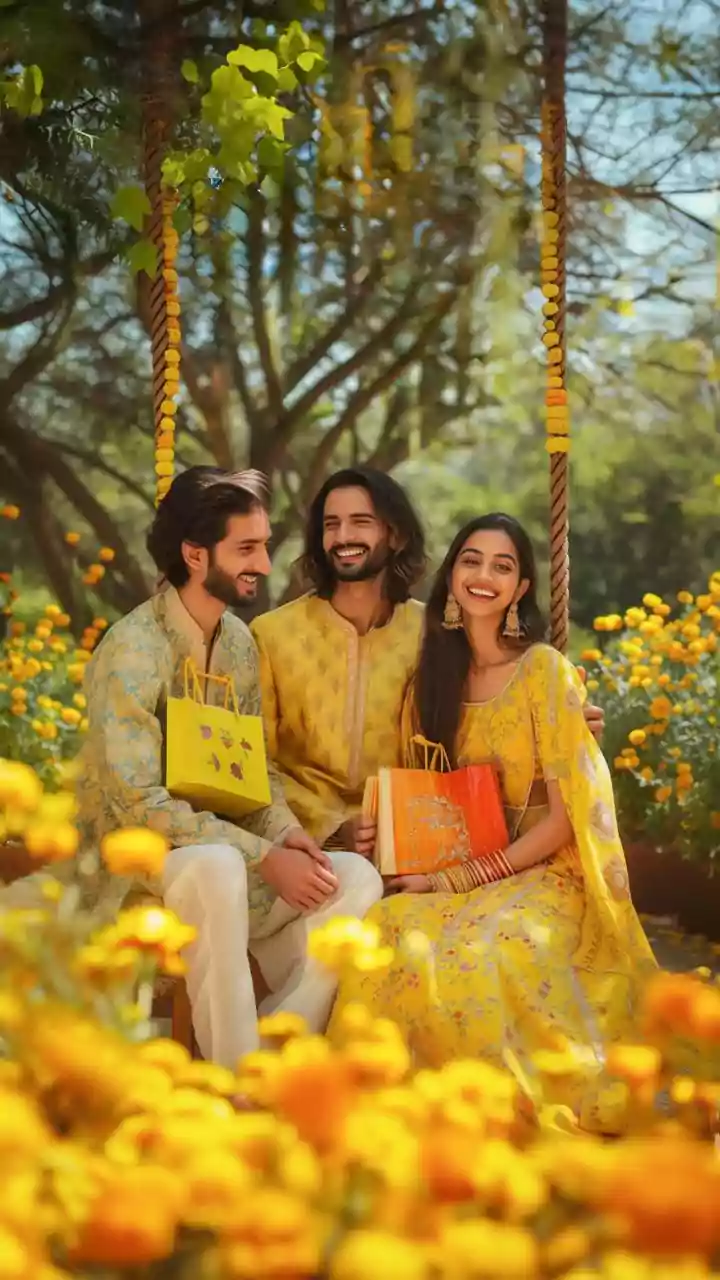
The rise of this trend isn't happening in a vacuum; it’s a direct reflection of a larger cultural shift. For many, especially in the Indian diaspora, it's a way to express a hybrid identity—a desire to celebrate their heritage without being confined by strict tradition. This style allows wearers to navigate different cultural spaces, from a family Diwali party to a friend's holiday gathering, in an outfit that feels both appropriate and authentic to their personal story. Globalization and the immense influence of social media have also played a huge role. When Bollywood stars appear on international red carpets in fusion gowns or influencers showcase creative pairings on Instagram, it inspires a global audience to experiment.
Comfort Is the New Couture
Let's be practical: while stunning, many traditional Indian garments can be heavy and restrictive, requiring a certain amount of effort to wear. Indo-Western fashion often prioritizes comfort and freedom of movement, which is essential for a modern, active lifestyle. Fabrics like light georgette, chiffon, and cotton silk are used to create flowing silhouettes that are easy to wear for long hours of celebration. This blend of comfort and style means a single outfit can transition from a religious ceremony to a dance floor without a second thought, a versatility that is highly valued by today's urban professional. This adaptability has made fusion wear a wardrobe staple that transcends cultural boundaries.
A Global Phenomenon
The appeal of this aesthetic is no longer limited to those with South Asian roots. Major Western designers and fashion houses have started incorporating Indian elements into their collections, from intricate embroidery to classic silhouettes like the Nehru collar. This crossover is also visible at mainstream music festivals and events, where boho-chic styles often borrow heavily from Indian motifs and textiles. Designers like Gaurav Gupta, who recently dressed Beyoncé, and Amit Aggarwal are gaining global acclaim for their futuristic and artistic take on Indian couture, pushing the boundaries of what fusion fashion can be. This growing global acceptance has solidified Indo-Western wear not just as a trend, but as a significant and lasting movement in the fashion world.