







A Car Ahead of Its Fuel
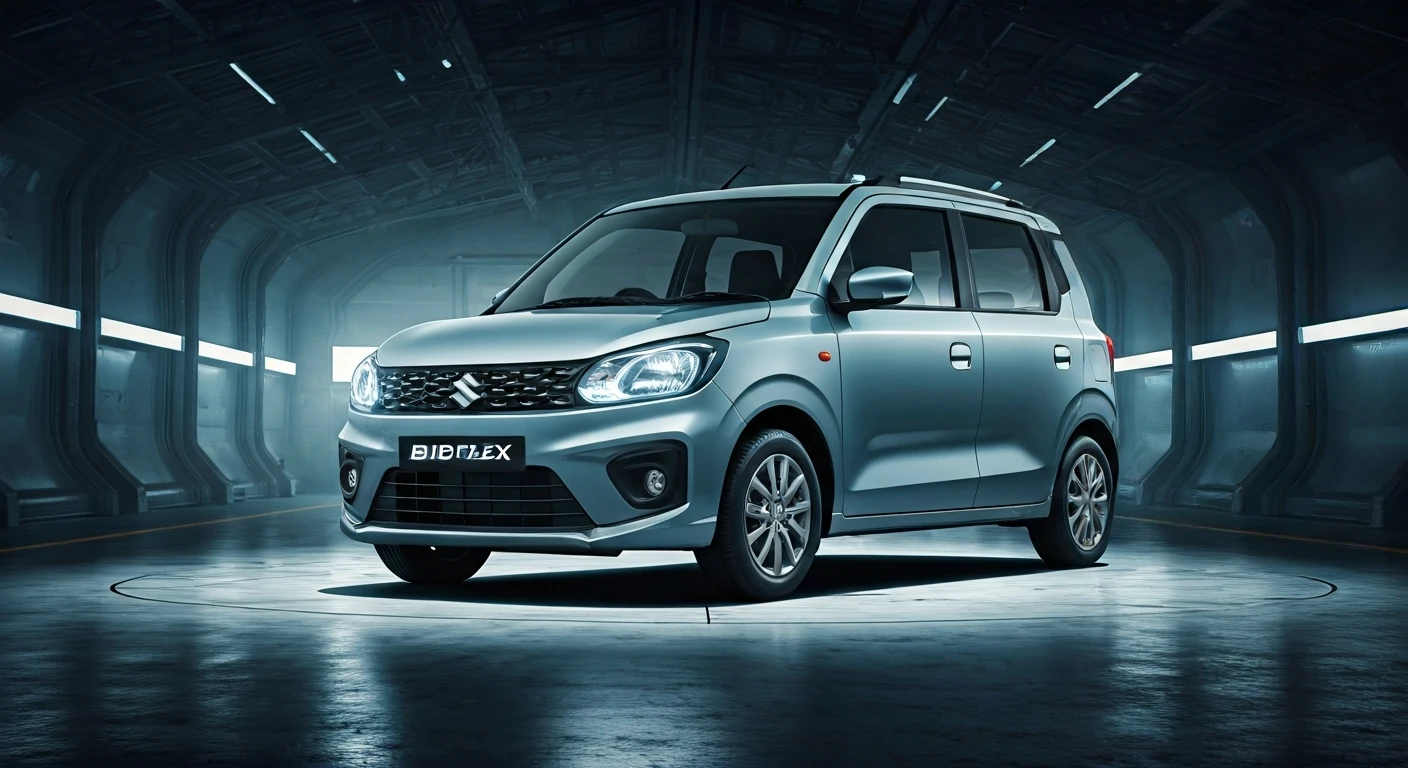
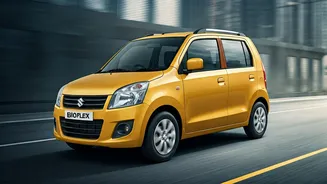
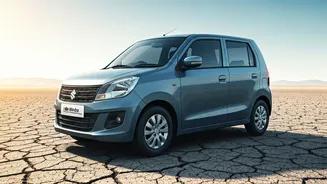
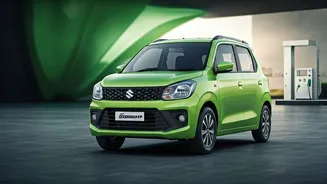
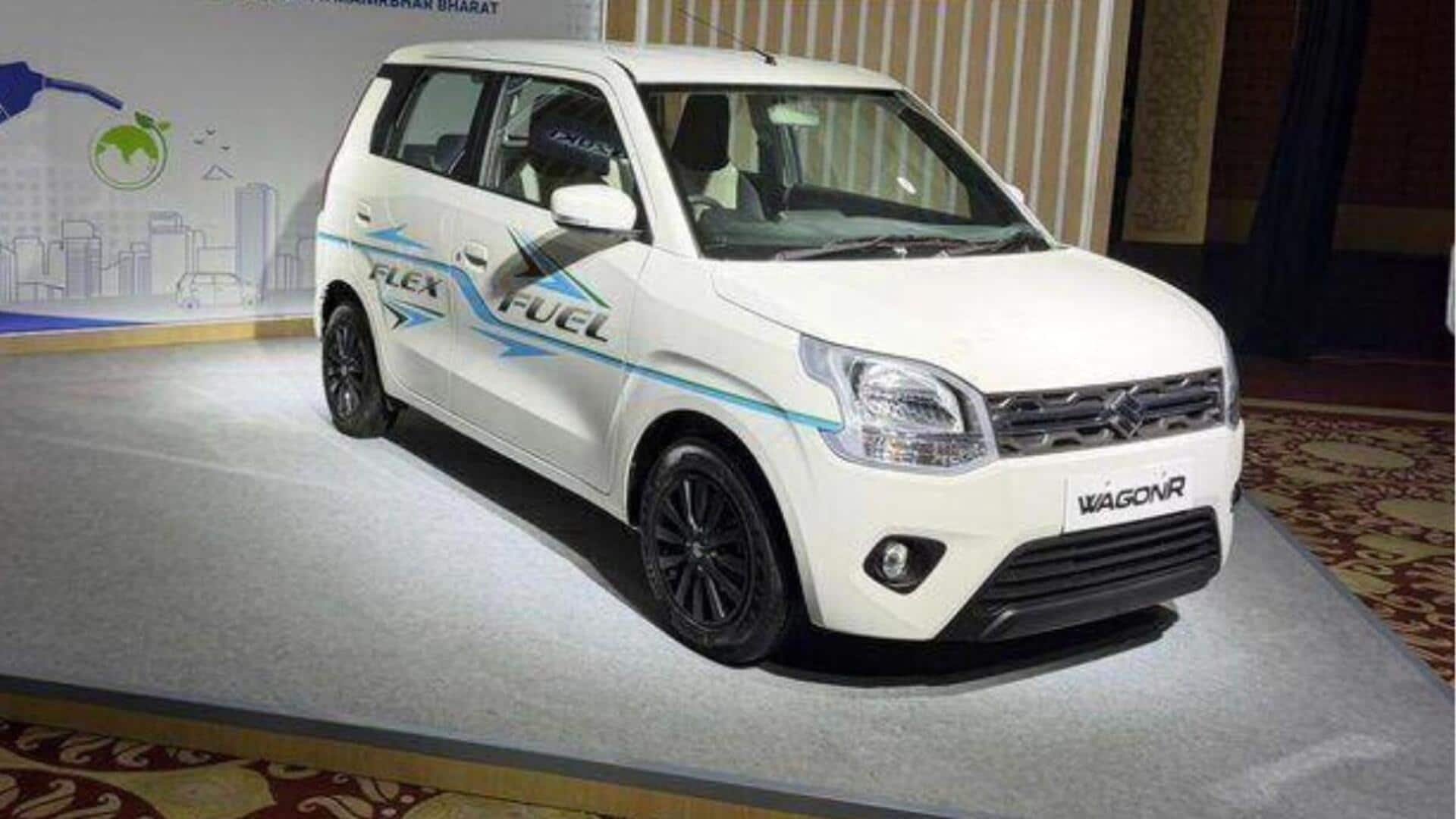
The core reason for consumer reluctance is simple: a classic chicken-and-egg problem. The Maruti Wagon R Flex Fuel is engineered to run on petrol-ethanol blends ranging from E20 (20% ethanol) all the way up to E85 (85% ethanol). However, the infrastructure
to support it is still in its infancy. As of mid-2026, E85 fuel is available at only a handful of retail outlets, primarily in select corridors like Delhi-NCR and Mumbai. The government has ambitious plans to expand this to 500 stations by the end of 2026 and 5,000 by 2027, but for the average car buyer today, this promise feels distant. This creates significant 'range anxiety' of a different sort – not about battery life, but about finding the right fuel. Why invest in a technology you can't conveniently use?
The Tricky Question of Cost
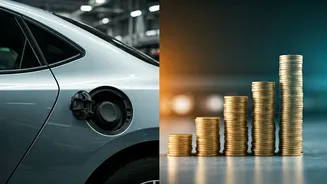
On paper, ethanol is cheaper per litre than petrol. The government has highlighted that E85 fuel could be priced around ₹20 less than its petrol counterpart. However, the financial calculation for consumers isn't that straightforward. First, the car itself comes at a premium. The flex-fuel Wagon R costs about ₹85,000 more than the equivalent standard petrol model. Second, and more critically, ethanol has a lower energy density than petrol. This means the car will travel fewer kilometres on a litre of ethanol compared to a litre of petrol, with estimates suggesting a drop in fuel efficiency of around 20-30%. When buyers factor in the higher upfront cost and the lower mileage, the promised savings from cheaper fuel begin to look less certain, making many question if they will ever reach a break-even point.
Uncertainty Breeds Caution
Beyond fuel availability and running costs, potential buyers are navigating a sea of unknowns that naturally make them cautious. Many consumers are only just getting accustomed to E20 fuel, which is now standard across the country. The introduction of yet another fuel standard, E85, adds a layer of complexity. Questions about the long-term impact of high-ethanol blends on engine health, maintenance schedules, and, crucially, resale value, remain largely unanswered in the minds of the public. Automakers themselves have acknowledged that while the engineering challenges are solved, building consumer confidence is the next major hurdle. In a market where resale value is a significant factor in purchasing decisions, the uncertainty surrounding a new fuel ecosystem is a powerful deterrent.
The Bigger Picture: A Multi-Fuel Future
Maruti's choice of the Wagon R for this technological debut was strategic. The model is a household name, already popular in CNG variants, making it a familiar platform for introducing a new fuel type. However, the hesitation it faces is indicative of a broader trend. India's path to cleaner transportation is not a single lane. Unlike regions focusing solely on electric vehicles (EVs), India is pursuing a multi-fuel strategy that includes EVs, CNG, hybrids, and now, flex-fuels. While the government is promoting ethanol to reduce oil imports and support farmers, consumers are faced with a dizzying array of choices. Each technology comes with its own set of costs, benefits, and infrastructure challenges. The caution around the ethanol Wagon R suggests that for this technology to succeed, it will require more than just a capable vehicle; it needs a robust, visible, and reliable ecosystem to support it.