







The world’s top energy watchdog, the International Energy Agency (IEA), has sounded an alarm on oil supplies. It warns that the expected market recovery is hitting a snag, with a return to pre-war normalcy unlikely even in 2027.
What the IEA Is Warning About
In its latest reports,
the IEA has painted a complicated picture of the global oil market. The headline takeaway is that while crude oil supply from the Middle East saw a fragile recovery in September, the overall market remains tight and volatile. The agency has actually lowered its forecast for global oil demand for 2026, predicting a fall of 2.6 million barrels per day (b/d) due to high prices and a deteriorating economic outlook. A key part of the warning is that the recovery is fragile, threatened by renewed attacks on energy infrastructure and tankers in the Gulf. IEA Executive Director Fatih Birol stated that there is no 'credible pathway' for markets to return to their pre-war state next year, urging governments to prioritise energy security.
Why the Recovery Is Stalling
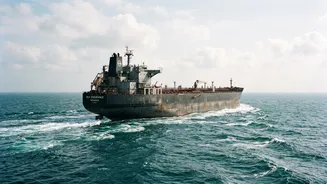
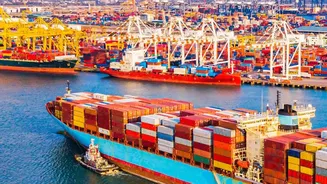
Several factors are contributing to the delayed recovery. Geopolitical risk is a primary driver. Ongoing conflict in the Middle East, particularly involving Iran, and attacks in crucial shipping lanes like the Strait of Hormuz are forcing shippers to take longer, more expensive routes. This has driven up the cost of shipping to more than five times pre-war levels, adding a 'risk premium' to prices that is detached from actual supply volumes. Secondly, while crude oil exports have partially rebounded, the supply of refined products like diesel and gasoil is lagging significantly. Disruptions to refineries in the Middle East and Russia mean these crucial fuels remain in short supply, with inventories being drawn down ahead of winter. The IEA forecasts this tightness in diesel markets will extend into 2027.
Demand Is Down, But Prices Aren't
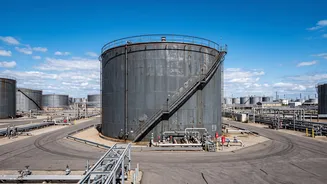
It seems counterintuitive: if global demand is forecast to fall, shouldn't prices fall too? The current market is not operating on traditional fundamentals. While overall demand is weakening due to high prices and slowing economies, the market is being driven by supply-side fears and constraints. The problem is particularly acute for refined products. The world isn't just short on crude oil; it's short on the capacity to turn that oil into the diesel needed for trucks, the jet fuel for planes, and other essential products. Record freight costs and tight refinery capacity have crushed profit margins for refiners in Asia and Europe, complicating the supply chain further. This has created a situation where even as crude prices might fluctuate, the prices for end products like diesel remain stubbornly high.
What This Means for India
As a nation that imports over 85% of its crude oil, India is particularly vulnerable to this global volatility. Persistently high oil prices represent a direct threat to the country's economic stability. They widen the import bill, putting pressure on the current account deficit and the rupee. This trickles down to businesses and households through multiple channels. Higher crude costs increase input expenses for key sectors like transportation, manufacturing, and chemicals. For consumers, it means pressure on household budgets, as higher global prices eventually translate to higher petrol and diesel costs at the pump. This in turn fuels inflation across the economy, impacting the price of everyday goods and services. The uncertainty has already made foreign investors cautious, with significant outflows from Indian equities reflecting concerns about emerging market vulnerabilities in a high-energy-price environment.