





The Critical Role of Fat
Fat is the heart of a brownie's texture, responsible for that rich mouthfeel and deep moisture. In baking, fat works by coating flour proteins, which inhibits gluten development. Less gluten means a denser, more tender result rather than a tough, bread-like
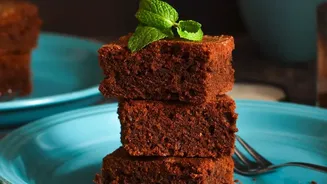
crumb. For eggless brownies, melted butter is a popular choice, providing not just moisture but also a rich, creamy flavour. Some bakers turn to oil, which is pure fat and can result in an even softer brownie that stays moist for longer. The amount and type of fat are your primary tools for achieving a fudgy texture. More fat pushes the brownie towards that dense, gooey consistency that so many people crave. When eggs are absent, fat becomes even more crucial for delivering the richness and tenderness that eggs would typically provide.
More Than Just Sweetness: The Job of Sugar
Sugar does much more than just sweeten your brownies; it's a key player in creating texture. Sugar is hygroscopic, meaning it attracts and holds onto moisture, which keeps the final product soft and prevents it from drying out. A higher sugar content generally contributes to a softer, moister brownie. Many recipes call for a combination of both white granulated sugar and brown sugar. White sugar helps create that signature shiny, crackly top, while brown sugar, with its molasses content, adds a deeper flavour and promotes a chewier texture. The process of melting sugar into warm butter or milk not only ensures it dissolves properly but also helps build that classic glossy crust many associate with the perfect brownie. It's this balance of sugars that ensures the brownie is not just sweet, but also has a complex flavour and an irresistibly chewy bite.
Flour: The Structural Foundation
Flour provides the essential structure that holds your brownies together, preventing them from turning into a greasy puddle. However, it's a delicate balancing act. Using too much flour is a common pitfall that leads to dry, dense, or overly cakey brownies. The proteins in flour form gluten when mixed with liquid, creating the brownie's framework. While some structure is necessary, too much gluten development results in a tough, rather than tender, brownie. For a fudgy result, the goal is to use just enough flour to provide support while letting the fat and chocolate flavours dominate. This is why many recipes advise mixing the batter only until the flour is just combined, as overmixing can make brownies tough. Whole wheat flour can be used for a nuttier flavour, but it's more absorbent, so it's crucial to stick to the recipe's measurements to avoid a dry outcome.
Replacing the Egg: The Missing Piece
In traditional brownies, eggs provide structure, moisture, and leavening. When you remove them, you need other ingredients to perform those jobs. Milk is a common liquid used to add necessary moisture back into the batter. For lift, which helps prevent the brownies from being overly dense, a small amount of baking powder is often added. Other ingredients can also step in to help. Yoghurt is an excellent egg substitute, adding both fat and moisture for a soft, tender crumb. A 'flax egg'—made by mixing ground flaxseed with water—can act as a binder, mimicking the structural role of an egg. Other popular substitutes include applesauce, mashed banana, or even silken tofu, each contributing moisture and structure in their own way. The key is to choose a substitute that complements the desired texture without altering the deep chocolate flavour.