

What's Happening on the Ground
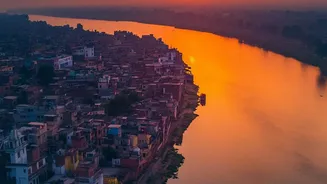
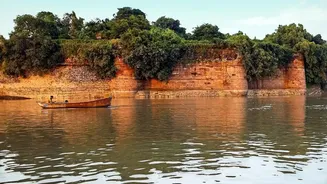
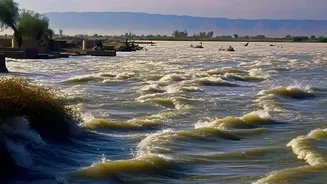
As of early September 2026, the Ganga River in Varanasi has crossed its official warning level due to heavy monsoon rains upstream. This is a seasonal event, but the current situation has prompted local authorities to take significant precautions. The
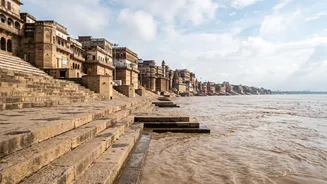
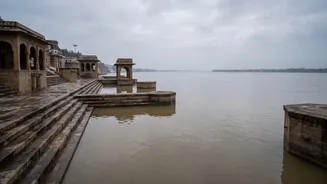
water level was recorded at 70.54 meters on Thursday, September 3rd, which is above the warning mark of 70.26 meters. While this is still below the designated danger level of 71.26 meters, the rising trend has led to widespread inundation of low-lying areas. The National Disaster Response Force (NDRF) and local police are actively monitoring the situation.
Iconic Activities Are Suspended
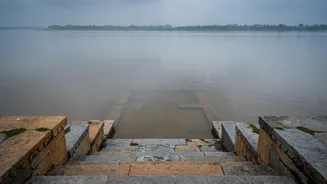
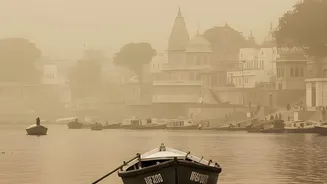
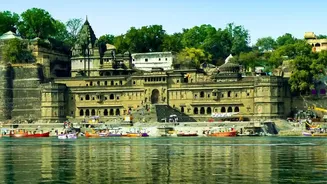
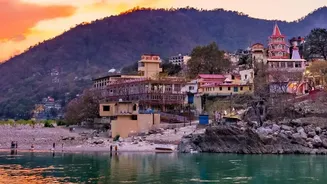
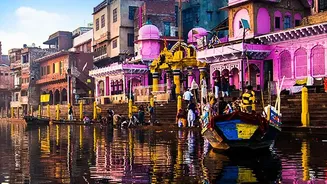
For many visitors, a boat ride at sunrise is a quintessential Varanasi experience. Currently, all passenger boat operations on the Ganga have been officially suspended for safety reasons. This means no sunrise or evening boat tours are available. Officials strongly advise against accepting informal offers from boatmen, as the river's strong currents and submerged debris pose serious risks. Many of the city’s 84 ghats—the famous steps leading down to the river—are partially or completely submerged. This includes prominent locations like Dashashwamedh Ghat and Assi Ghat, restricting movement between them.
How Rituals and Ceremonies Are Adapting
The high water levels have also affected Varanasi's iconic rituals. The world-famous Ganga Aarti, the nightly fire ceremony at Dashashwamedh Ghat, has not been canceled but has been relocated. Organizers have moved the ceremony to higher ground, often on the rooftops of adjacent buildings, to continue the tradition. More profoundly, the floods have submerged the main cremation platforms at Manikarnika Ghat, the primary site for Hindu funeral rites. This has forced cremations to be conducted in constricted spaces on higher platforms or even on the rooftops of nearby buildings, leading to long waits.
Adjusting Your Travel Plans
While riverside activities are on hold, Varanasi is far from closed. This is an opportunity to explore the city beyond the ghats. The labyrinthine alleyways of the old city, bustling with life, remain accessible. You can still visit key temples like the Kashi Vishwanath Temple, though you may need to navigate crowded upper lanes to do so. The situation calls for flexibility. Instead of a river view, you might get a powerful look at the Ganga in its most formidable state from a safe, elevated viewpoint. Check with your hotel or a local guide for the best and safest ways to experience the city under the current conditions.
Safety is the Top Priority
The most important advice for any visitor is to prioritize safety. Local authorities have urged everyone—residents and tourists alike—to stay away from the submerged ghats and to avoid entering the water under any circumstances. The administration has set up numerous relief camps for displaced residents, and their focus is on managing the welfare of the local population affected by the flooding. Always follow the guidance of police, NDRF teams, and official signage. The situation is monitored 24/7, and restrictions will be lifted only when the water recedes to a safe level.