







The New Pantry Staples
Walk into an urban Indian kitchen today, and you might find some surprising new additions alongside the familiar spice box and sacks of dal. Jars of funky, fermented kimchi, tubs of umami-rich miso paste, and bottles of extra virgin olive oil are no longer
just exotic curiosities. They are becoming integral parts of the modern Indian pantry. This isn't about replacing tradition but expanding it. Social media, global travel, and a surge in culinary curiosity have made home cooks more adventurous than ever. They are seeking new flavours and textures to add excitement to their daily meals, and these global ingredients offer a new palette of possibilities.
A Global Palate at Home
The drivers behind this trend are multifaceted. For many, it's a way to reconnect with flavours experienced during international travel or seen on cooking shows and food blogs. The internet has flattened the culinary world, making it possible for someone in Bengaluru to master a Korean recipe or a Mumbaikar to experiment with Italian cooking techniques. This increased exposure has created a demand for authentic ingredients. E-commerce platforms have made it easier than ever to source everything from gochugaru (Korean chilli flakes) for kimchi to high-quality olive oil, bringing global markets directly to Indian doorsteps. This accessibility empowers home cooks to move beyond restaurants to recreate international dining experiences at home.
The Powerful Pull of Wellness
Health consciousness is another significant force shaping this evolution. The olive oil market in India, for example, is seeing robust growth, driven by its reputation for heart-healthy monounsaturated fats. Consumers are increasingly switching to olive oil for salad dressings, stir-fries, and even some forms of Indian cooking. Similarly, the global wellness trend focusing on gut health has sparked immense interest in fermented foods. India has its own rich history of fermentation, from dosa batter to pickles (achar). This existing cultural familiarity makes it easier to embrace foreign fermented foods like kimchi and miso, which are celebrated for their probiotic benefits. This shift aligns with a broader desire for food that is not just tasty but also clean and health-forward.
Indian-Style Innovation
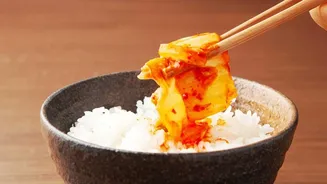
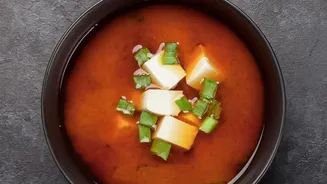
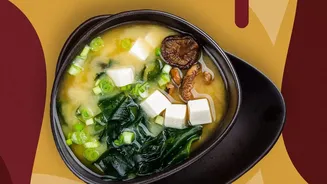
Perhaps the most interesting aspect of this trend is how these ingredients are being adapted. It’s not just about cooking authentic Japanese or Korean food. Instead, Indian cooks are using these items as flavour enhancers in their own dishes. Miso is being used to add a savoury depth to marinades and vegetarian dishes, creating a rich umami flavour that's complex and satisfying. Kimchi, with its spicy and sour crunch, is served as a side to dal-chawal or khichdi, much like a traditional pickle. There are even recipes for "Indian-style kimchi" that use local vegetables and spices like Kashmiri chilli. This fusion approach demonstrates a playful confidence, blending the familiar with the new to create something entirely unique.
A Confident Culinary Identity
This evolution in the home kitchen mirrors a larger trend seen in India's top restaurants, where chefs are blending indigenous ingredients with global techniques. They are rediscovering forgotten grains and using modern methods like lacto-fermentation to create innovative dishes. This movement, both in high-end dining and at home, signifies a new era for Indian food. It reflects a culinary identity that is deeply rooted in its own traditions but also open, curious, and confidently global. It's not about abandoning the classics but about adding new layers and chapters to a rich and diverse culinary story. The Indian kitchen has always been a place of adaptation, and this latest wave is just another step in its delicious journey.