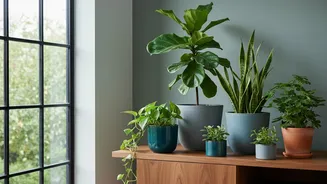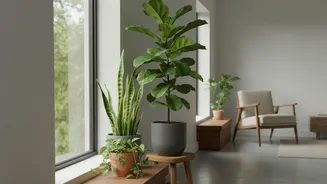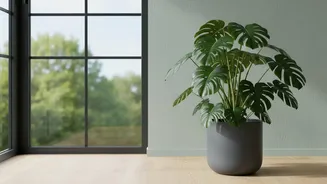





The Compass in Your Home
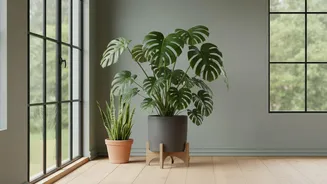
Before you even step into a nursery, the most crucial tool you have is a compass—or the compass app on your phone. The direction your windows face is the single biggest factor in determining what kind of light your home receives. This light dictates which
plants will flourish and which will struggle. Plants have different needs based on their native habitats; some evolved in shady forest undergrowth, while others grew in sun-drenched deserts. Matching a plant to its preferred light condition is the foundation of successful plant parenthood. A south-facing window offers a completely different environment from a north-facing one, and choosing the right plant for the right spot can mean the difference between a lush, vibrant companion and a sad, drooping specimen.
North-Facing Windows: The Gentle Glow
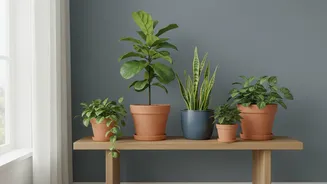
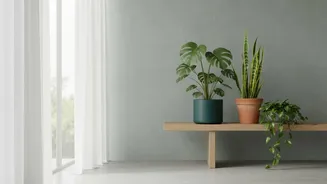
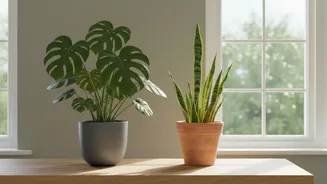
North-facing windows provide the most consistent, gentle, and indirect light throughout the day. They never receive harsh, direct sun, making them ideal for plants that can be sensitive to scorching. These spots are often considered 'low-light', but it's a soft, ambient brightness perfect for many species. Plants marketed as 'low-light tolerant' will be your best friends here. Think of resilient options like the Snake Plant (Sansevieria), which is incredibly durable, or the ZZ Plant (Zamioculcas zamiifolia), known for its waxy leaves and ability to thrive on neglect. Trailing plants like Pothos (Epipremnum aureum) also do exceptionally well, as do elegant Peace Lilies (Spathiphyllum), which can even produce their signature white blooms in these conditions.
East-Facing Windows: The Perfect Morning Sun
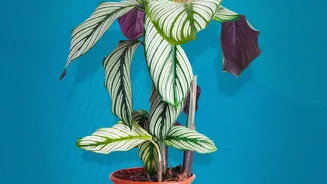
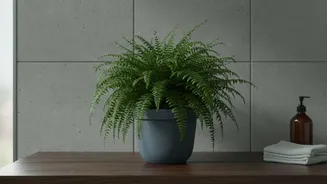
An east-facing window is a sweet spot for many houseplants. It receives several hours of bright, direct morning sun, which is much gentler than the intense heat of the afternoon. After the morning, the light becomes bright but indirect for the rest of the day. This environment is ideal for a wide variety of popular plants that need good light but can't handle a full day of sun. Ferns, such as the classic Boston Fern, love this setup, as the morning light helps them thrive without crisping their delicate fronds. Flowering plants like African Violets and some Orchids also appreciate this exposure. Others that do well here include the popular Fiddle Leaf Fig and the vibrant Calathea, both of which benefit from the bright but not overly harsh conditions.
South-Facing Windows: The Sun Worshippers' Paradise
If your home has south-facing windows, you have a powerhouse of light. These windows provide strong, bright light for most of the day, making them the sunniest and warmest spots in your home. This is the perfect location for sun-loving plants, especially those native to desert or tropical environments. Cacti and a wide array of succulents, like Echeveria and Aloe Vera, will thrive here. Plants with thick, waxy leaves such as the Jade Plant (Crassula ovata) are also excellent choices as they are adapted to store water and handle dry, sunny conditions. For a pop of colour, a Croton plant will show off its most vibrant foliage in the bright light of a southern exposure.
West-Facing Windows: The Afternoon Heat
West-facing windows offer bright, indirect light for the first half of the day, followed by several hours of intense, direct sun in the late afternoon and evening. This afternoon sun can be very hot, especially in the summer, so only heat-tolerant plants should be placed directly on the windowsill. Much like south-facing spots, this exposure is great for succulents and cacti. Hardy plants like the Snake Plant and Jade Plant can also handle these conditions. Trailing plants such as the String of Pearls (Senecio rowleyanus) and some flowering varieties like Geraniums will do well, soaking up the strong afternoon rays. If you find the sun too intense for a particular plant, you can simply pull it back a few feet from the window or filter the light with a sheer curtain.