




Celeriac: The Unsung Hero
Don't be deterred by its gnarled, knobby appearance. Celeriac, also known as celery root, has a crisp texture and a subtle, earthy flavour with hints of celery and parsley. It's a nutritional powerhouse, packed with vitamin K for bone health, vitamin C for immune
support, and potassium for regulating blood pressure. Low in calories and carbohydrates, it makes a fantastic substitute for potatoes. You can enjoy it raw by grating it into salads and slaws for a fresh crunch. For a comforting side dish, try peeling, dicing, and roasting it until caramelized and tender, or boil and mash it with butter and herbs for a creamy, flavourful purée. Its leaves and stalks are also flavourful and can be used in soups and stews.
Jicama: The Crunchy Refresher
Often called the Mexican potato, jicama is a round, globe-shaped root with a thin brown skin and a crisp, white flesh. Its taste is mildly sweet and nutty, with a satisfyingly crunchy and juicy texture similar to a water chestnut or a savoury apple. Jicama is an excellent source of vitamin C and dietary fibre, which aids digestion. One of the best things about this vegetable is its versatility. It is most often enjoyed raw. Simply peel it, slice it into sticks, and enjoy it as a refreshing snack. A classic way to serve it is with a sprinkle of chili powder, a pinch of salt, and a squeeze of lime juice. You can also chop it into cubes and add it to salads or slaws for extra crunch, or toss it into a stir-fry for the last few minutes of cooking to retain its texture.
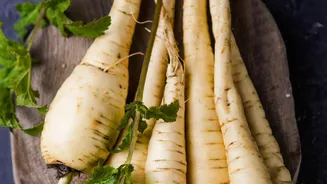
Parsnip: The Sweet & Earthy Staple
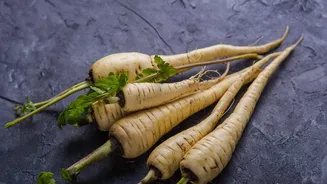
While related to the carrot, the parsnip offers a distinct flavour profile that is sweeter, nuttier, and delightfully earthy. This cream-coloured root is at its best after the first frost, which helps convert its starches into sugars. Parsnips are a fantastic source of soluble and insoluble fibre, promoting digestive health and helping you feel full longer. They are also rich in vitamin C, vitamin K, folate, and potassium, which support everything from your immune system to heart health. While they can be eaten raw, their sweetness intensifies with cooking. Roasting is a popular method; just toss peeled and chopped parsnips with olive oil and herbs until tender and caramelized. They also make a wonderfully creamy and warming soup or can be mashed with potatoes for a more complex flavour.
Taro Root: The Potato of the Tropics
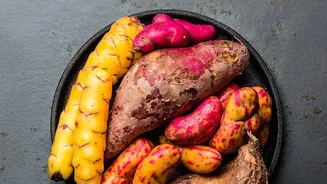
A staple in many global cuisines, taro root has a brown, textured skin and a starchy flesh that can range from white to pale purple. When cooked, it has a mild, nutty sweetness and a texture similar to a potato. It is a great source of dietary fibre, offering more than twice the amount found in potatoes, which aids in digestion and weight management. It also provides important nutrients like potassium, vitamin C, and vitamin E. It's crucial to know that taro root must be cooked before eating to break down compounds that can cause mouth irritation. You can boil, roast, mash, or fry it just as you would a potato. It's particularly delicious when cubed and added to hearty soups and stews, where it acts as a natural thickener. You can also slice it thinly and bake or fry it to make crispy chips.
Jerusalem Artichoke: The Nutty Tuber
Despite its name, the Jerusalem artichoke (or sunchoke) is not an artichoke but the root of a sunflower species. These small, knobby tubers have a sweet, nutty taste reminiscent of a water chestnut when raw and become softer and richer when cooked. They are renowned for being a great source of inulin, a type of soluble fibre that acts as a prebiotic, feeding the beneficial bacteria in your gut. They also offer iron and potassium. Sunchokes can be scrubbed and thinly sliced to add a crisp texture to salads. Roasting brings out their natural sweetness, and they can also be puréed into a silky, elegant soup. For those new to this vegetable, it's best to start with a small portion, as the high inulin content can cause digestive discomfort for some people.