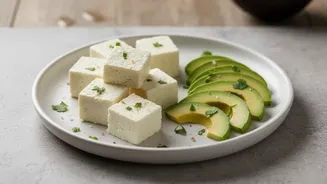






Paneer: The High-Protein Foundation
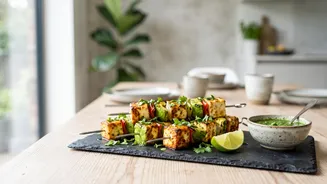
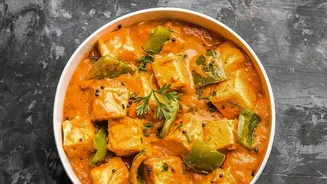
Paneer, or Indian cottage cheese, has long been a cornerstone of vegetarian cuisine across the country. Revered for its firm, non-melting texture and its ability to absorb flavours, it is a versatile ingredient used in everything from rich curries to dry
appetisers. But beyond its culinary flexibility, paneer is a nutritional powerhouse. It is celebrated as a complete protein, containing all nine essential amino acids the body needs for muscle repair and growth. A 100-gram serving of paneer can provide between 18 to 20 grams of protein, making it a substantial source for anyone looking to boost their intake. The primary protein in paneer is casein, which is slow-digesting. This quality ensures a steady release of amino acids, promoting a feeling of fullness and providing sustained energy, which is a significant advantage for weight management and blood sugar control.
Avocado: The Creamy, Healthy Counterpart
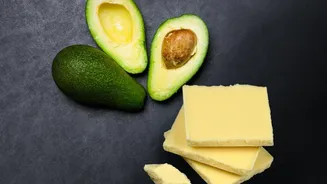
Once a niche import, the avocado has firmly established itself as a beloved ingredient in India. Known for its rich, buttery texture and mild flavour, it brings more than just a trend to the table. Avocados are packed with healthy fats, specifically monounsaturated fats. Over 75% of the fat in an avocado is this 'good' fat, primarily in the form of oleic acid, the same fatty acid found in olive oil. These fats are crucial for heart health as they can help manage cholesterol levels. A medium avocado also offers significant amounts of fibre, potassium, and various vitamins. Its creamy consistency makes it a fantastic natural binder in recipes, replacing the need for less healthy fats or extra oils while adding a luxurious mouthfeel that is hard to replicate. This unique combination of nutrients and texture makes it a versatile player in both sweet and savoury dishes.
A Perfect Culinary and Nutritional Match
When you combine paneer and avocado, something special happens. From a nutritional standpoint, pairing a high-protein food with a source of healthy fats is a smart strategy for balanced eating. This combination helps to slow down digestion, which promotes better nutrient absorption and leads to greater satiety, keeping you feeling full and satisfied for longer. It also helps to stabilise blood sugar levels, preventing the energy spikes and crashes often associated with carbohydrate-heavy meals. In terms of cooking, the pairing is just as successful. The firm, slightly chewy texture of crumbled or grated paneer provides the perfect base and structure, while the mashed avocado brings everything together with its inherent creaminess. The avocado’s fat content ensures the final dish, such as a kebab, remains moist and succulent without being oily. The paneer offers a substantial, protein-packed bite, while the avocado lends a smooth, rich finish.
Creating Soft, Pan-Cooked Kebabs
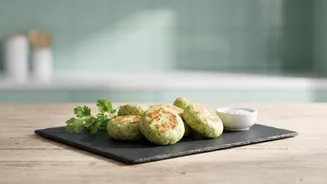
Turning this dynamic duo into soft, pan-cooked kebabs is surprisingly simple. The process focuses on bringing the ingredients together rather than a complicated cooking technique. Start by mashing a ripe avocado in a bowl. To this, add grated or crumbled paneer. The ratio can be adjusted to your preference, but a good starting point is equal parts. Now, it's time for flavour. A mix of classic Indian spices works beautifully here. Think finely chopped onions, green chillies for a bit of heat, fresh coriander, and a blend of powders like cumin, turmeric, and garam masala. A squeeze of lemon juice will brighten the flavours and help keep the avocado from browning. Mix everything gently until just combined. The avocado and paneer mixture should be moist enough to form into small patties or kebab shapes with your hands. Heat a small amount of oil or ghee in a non-stick pan over medium heat. Carefully place the kebabs in the pan and cook for 3-4 minutes on each side, until they are golden brown and slightly crisp on the outside.
Serving Suggestions and Variations
These avocado and paneer kebabs are wonderfully versatile when it comes to serving. They are fantastic on their own as an appetiser or a healthy evening snack, served hot with a side of mint-coriander chutney or a simple yogurt dip. The coolness of the dip provides a perfect contrast to the warm, savoury kebab. For a more substantial meal, you can use these kebabs as a filling for wraps or kathi rolls, tucked into a paratha or roti with sliced onions and a drizzle of sauce. They also make a great high-protein addition to salads or can be served on toasted sourdough bread for a filling, open-faced sandwich. Don't hesitate to experiment with the spice mix; adding chaat masala for a tangy kick or some dried fenugreek leaves (kasoori methi) for a deeper aroma can create delicious variations.