





Why Warming Up Is Non-Negotiable
Jumping straight into a high-intensity workout without preparation is a recipe for disaster. The primary purpose of a warm-up is to prepare your body for the physical demands ahead. For shadow boxing, which involves explosive, rotational movements, this
is especially crucial. A good warm-up gradually increases your heart rate, raises your core body temperature, and sends more blood flow to your muscles. This increased circulation makes muscles more pliable and less prone to strains. It also lubricates your joints—shoulders, hips, and knees—which are all heavily involved in proper boxing technique. Furthermore, a warm-up serves as a mental transition, helping you shift focus from your day to the workout ahead, improving coordination and reaction time from the very first round.
Your Pre-Boxing Warm-Up Routine
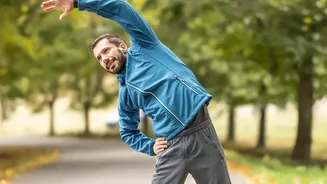
An effective warm-up for shadow boxing should last 10-15 minutes and include three phases. First, start with 3-5 minutes of light cardio to get your blood pumping. Jumping rope is a classic choice for boxers as it also enhances footwork and coordination. Next, focus on dynamic stretching—active movements that take your joints through their full range of motion. This is preferable to static stretching (holding a stretch), which is best saved for after the workout. Incorporate arm circles, torso twists, leg swings, and high knees for about five minutes. Finally, spend a few minutes on sport-specific activation. This means light, slow shadow boxing. Focus on your form, footwork, and breathing without worrying about speed or power. This final phase signals to your body the specific movements that are coming.
The Purpose of a Proper Cool-Down
Just as your body needs to prepare for a workout, it needs to transition out of it. Stopping abruptly can lead to dizziness or blood pooling. The cool_down's main goal is to gradually bring your heart rate and breathing back to their resting state. This process aids recovery by helping to clear waste products from the muscles, which can reduce delayed onset muscle soreness (DOMS). A structured cool_down, which should include static stretching, also helps restore muscles to their resting length, improving flexibility and joint mobility over time. Think of it as an essential part of the workout that supports faster recovery, reduces the risk of injury, and enhances your long_term performance.
An Effective Post_Workout Cool_Down
A good cool_down should also take around 10 to 15 minutes. Begin with 2–3 minutes of light movement, like walking or very gentle shadowboxing, to let your heart rate settle. Then, move into static stretching, holding each stretch for 30–60 seconds without bouncing. Focus on the muscles you've just worked. Key stretches for boxers include cross–body arm pulls for the shoulders, overhead triceps stretches, and chest openers with hands clasped behind your back. Don't forget the lower body and core. Include stretches for the hip flexors (lunges), hamstrings, calves, and upper back. This is also a good time to practice deep breathing, which helps lower stress levels and promotes mental relaxation after an intense session.