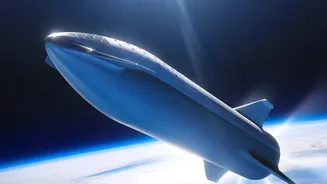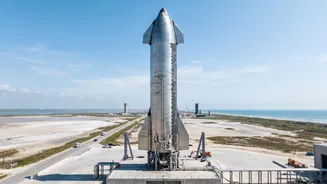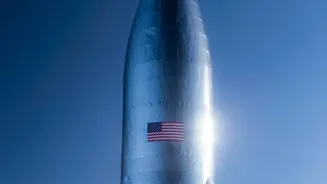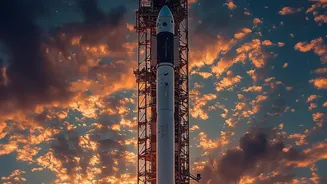

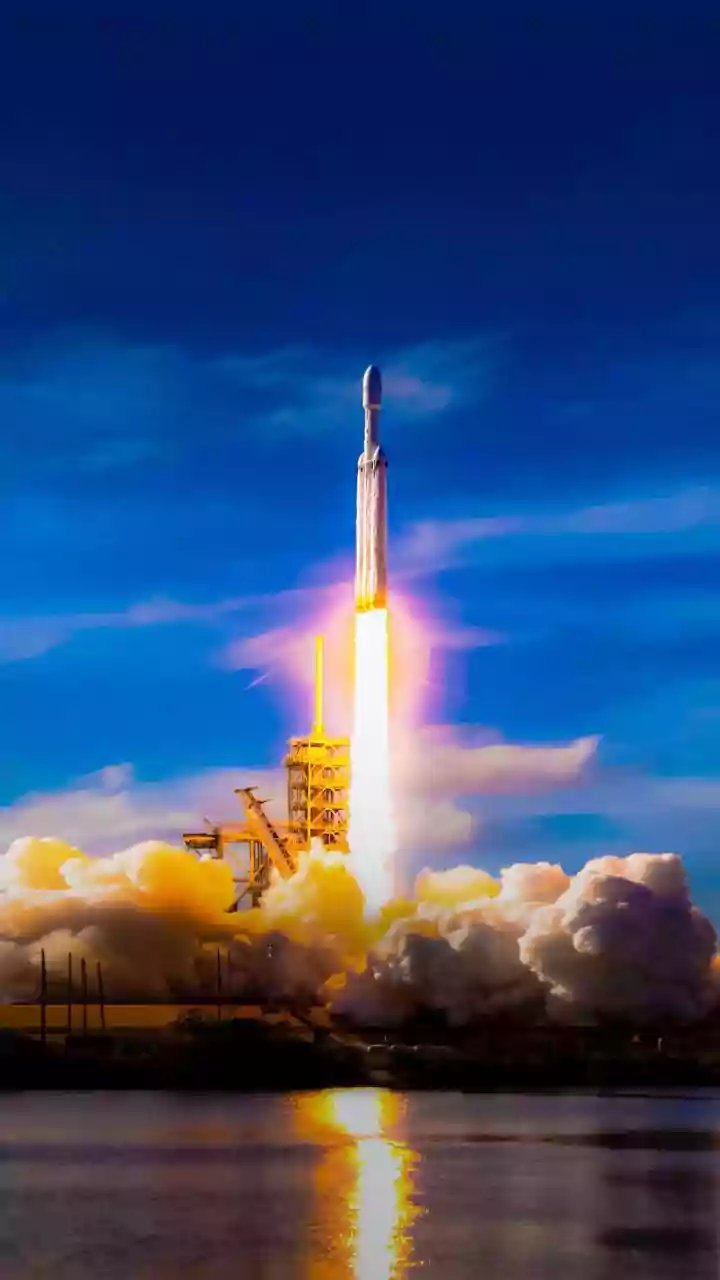
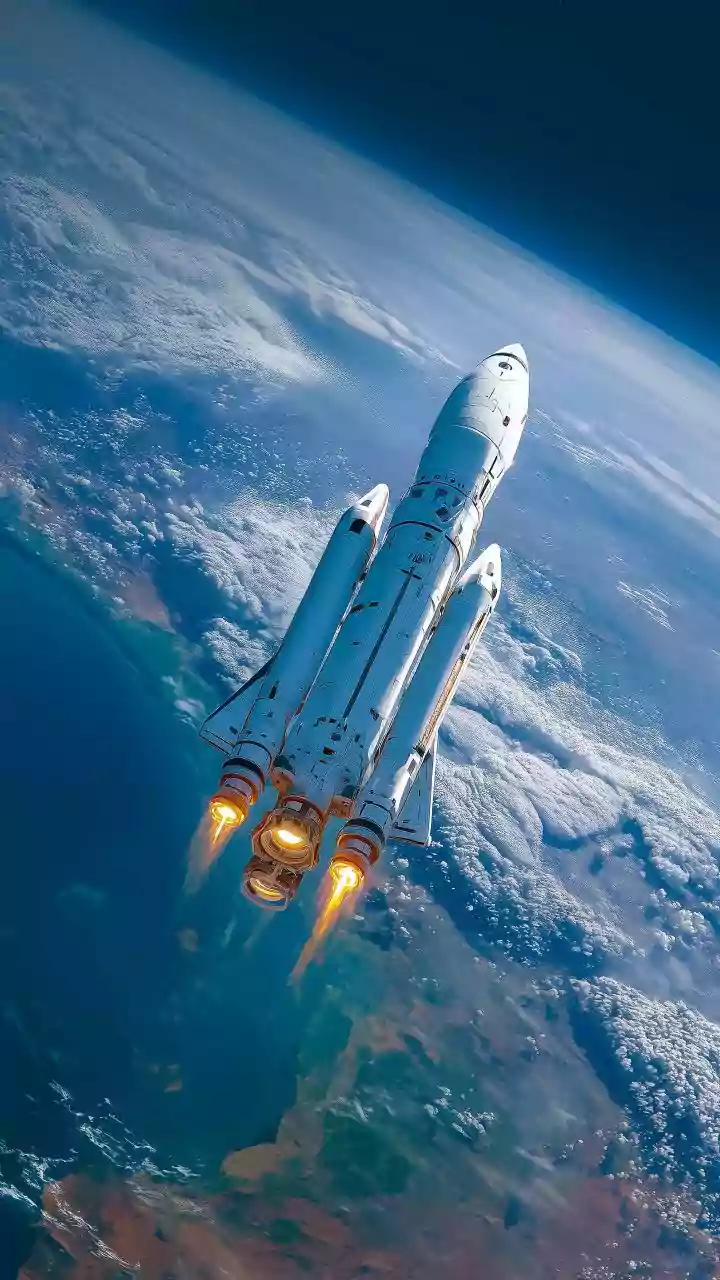
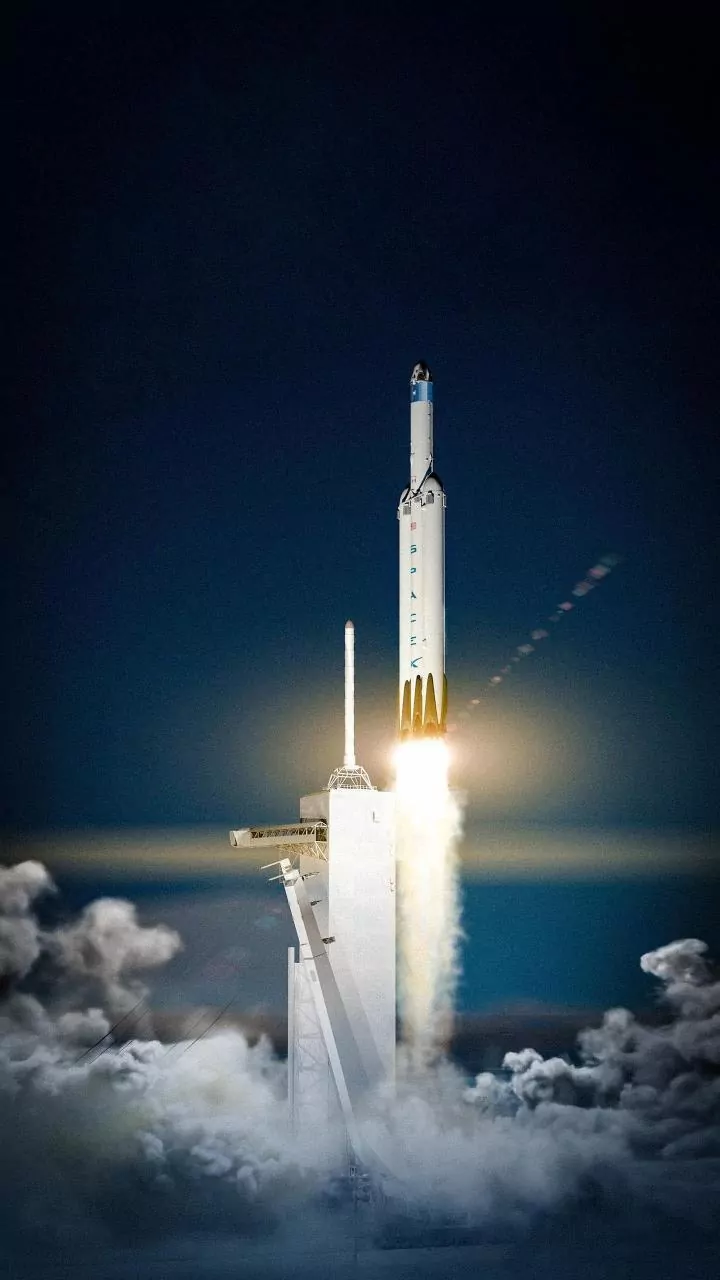
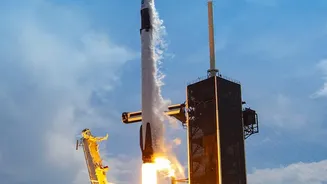
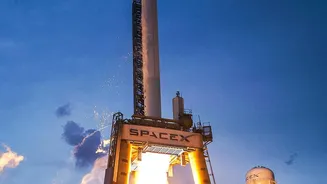

In a feat straight out of science fiction, SpaceX successfully caught its massive Starship spacecraft for the first time using giant mechanical arms on the launch tower, a milestone that fundamentally alters the economics of spaceflight.
A Historic Snag at Starbase
On Saturday, November
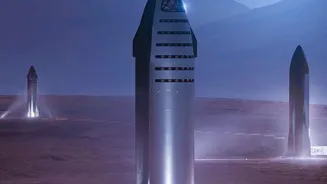
14, 2026, after spending over 22 hours in orbit, the Starship upper stage, known as Ship 42, plunged back through Earth's atmosphere. After surviving a fiery reentry, the vehicle executed a perfect 'bellyflop' maneuver, using its four large flaps to steer itself back toward the launch site at Starbase, Texas. In the final moments, the spacecraft burst through the clouds, fired three of its Raptor engines to flip vertical, and slowed to a gentle hover before two massive arms on the launch tower, nicknamed 'Mechazilla', closed in to secure the vehicle. The successful catch marked the first time an orbital-class upper stage has ever been recovered in this manner, representing a monumental achievement for SpaceX and its goal of full reusability.
Meet the 'Chopsticks'
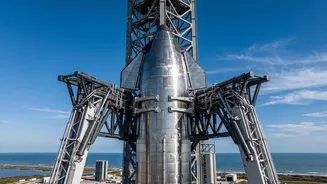
The stars of the show are the launch tower's mechanical arms, often called the 'chopsticks'. This system is designed to perform two critical tasks: stacking the Starship vehicle on top of its Super Heavy booster before launch and, more ambitiously, catching both components as they return. The concept, first floated by CEO Elon Musk years ago, seemed impossibly difficult. It requires the returning rocket stage to navigate with pinpoint precision back to the tower, where the arms must absorb its momentum without causing damage. The catch on Flight 15 proved the concept is not just viable but a game-changer. The maneuver eliminates the need for heavy landing legs on the vehicle itself, saving mass that can be used for payload instead.
The Business of Reusability
While catching a falling skyscraper-sized rocket is visually spectacular, the primary driver behind this innovation is economic. SpaceX's entire business model is built on making rockets reusable to dramatically lower the cost of accessing space. Catching the booster and the ship directly at the launch tower is the key to 'rapid reusability'. It eliminates the time-consuming and costly process of recovering rockets from drone ships at sea, transporting them back to land, and preparing them for another flight. By catching the vehicle right on the launch mount, SpaceX aims to inspect, refuel, and relaunch a Starship within hours or days, operating more like an airline than a traditional rocket company. This capability is essential for building out its Starlink satellite internet constellation and, ultimately, for funding missions to Mars.
A Partially Perfect Mission
While the Starship catch was a resounding success, the mission wasn't flawless. The first stage, a Super Heavy booster, also attempted to return to the tower for a catch just minutes after launch. However, a low-fuel alarm during its boostback burn caused the vehicle's guidance system to automatically abort the catch attempt. The booster safely diverted to a splashdown location in the Gulf of Mexico, where its flight termination system was activated. SpaceX has successfully caught Super Heavy boosters on previous flights, but achieving a 'double catch' of both the booster and the ship on the same mission remains a key objective. The company is investigating the root cause of the booster anomaly.
The Path to Mars Just Got Shorter
This successful recovery of an orbital upper stage is arguably the most significant step yet toward SpaceX's ultimate goal of establishing a self-sustaining city on Mars. Elon Musk has long stated that full and rapid reusability is the only way to make interplanetary travel affordable and practical. Each Starship is designed to be a fully reusable transport system, and this tower catch validates the final, and perhaps most difficult, piece of that architecture. While the recovered Ship 42 will be retired for public display due to its historic nature, the flight proves the system works. It's a leap that moves the dream of routine flights to the Moon and Mars from the realm of science fiction firmly into the world of engineering reality.