





Karwa Chauth is a cherished tradition of devotion, often observed with a day-long 'nirjala' fast. But even without water, a smart hydration strategy is essential to ensure your health and well-being aren't compromised during this sacred day.
The Body's Challenge Without Water
The Karwa
Chauth fast, observed from sunrise to moonrise without food or water, is a testament to devotion. However, a 'nirjala' fast places significant stress on the body. Water makes up about 60% of our body and is vital for regulating temperature, transporting nutrients, and flushing out toxins. When you don't drink water, your body starts losing fluids through breathing and sweating, which can quickly lead to dehydration. This can manifest as headaches, dizziness, fatigue, and difficulty concentrating, turning a day of spiritual focus into one of physical discomfort.
Your Pre-Fast Hydration Plan: The Sargi
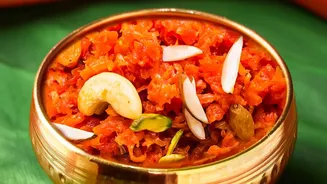
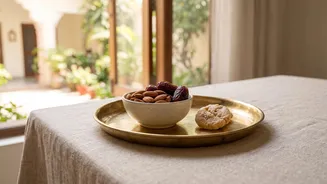
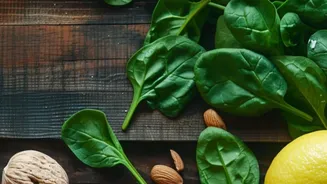
Your preparation for the fast begins with the pre-dawn meal, or 'sargi'. This meal is your only chance to fuel and hydrate your body for the long hours ahead. The goal isn't to overeat, but to eat smart. Focus on a balanced plate that includes complex carbohydrates, protein, and hydrating foods. Water-rich fruits like watermelon, pomegranate, and apples are excellent choices. Pairing these with protein and healthy fats from sources like curd, paneer, or a handful of nuts provides sustained energy. Crucially, drink plenty of water during this time. Coconut water is another great option as it is rich in electrolytes like potassium that help your body retain hydration. Avoid overly salty, spicy, fried, or sugary foods, as they can increase thirst and cause discomfort later in the day.
Recognising the Signs of Dehydration
It is vital to listen to your body throughout the day. While some tiredness is expected, severe symptoms should not be ignored. The most common signs of dehydration include a very dry mouth, fatigue, and dizziness or lightheadedness. Another key indicator is dark-coloured urine, which signals that your body is conserving water. More serious symptoms can include muscle cramps, confusion, extreme weakness, or fainting. While Karwa Chauth is a day of spiritual discipline, your health should always be the priority. Recognising these warning signs early is crucial.
Breaking the Fast: A Gentle Approach to Rehydration
After sighting the moon and completing the rituals, how you break your fast is just as important as how you started it. Resist the urge to gulp down a large amount of water at once, which can shock your system. Instead, start by sipping water slowly to allow your body to rehydrate gently. You can then have other fluids like coconut water or a light, home-cooked soup. Give yourself some time before moving on to a solid meal. Eating a large, heavy, or oily meal immediately can lead to indigestion and bloating. Opt for a balanced and easily digestible meal, such as khichdi with curd or a simple dal with roti and vegetables, to replenish your nutrients without overwhelming your digestive system.