




Visit the Golden Temple, Day and Night
A visit to the Golden Temple is a given, but to truly feel its pulse, you must experience it twice. By day, the temple complex bustles with devotees, the sun glinting off the gold facade as hymns echo across the Sarovar (sacred pool). By night, it transforms
into a serene, illuminated wonderland. The reflection of the glowing sanctum in the still water is a sight of profound peace. Witnessing the Palki Sahib ceremony, when the holy book is carried to its resting place, is a deeply spiritual and moving ritual that shouldn't be missed.
Partake in the Guru Ka Langar
The langar, or community kitchen, at the Golden Temple is a lesson in humility and equality. Serving free meals to an estimated 100,000 people daily, regardless of faith, caste, or background, it is one of the largest free kitchens in the world. The experience is not just about the food; it's about participating in 'seva' (selfless service). Sit on the floor with thousands of others, accept the simple vegetarian meal with gratitude, and perhaps even volunteer to wash dishes or chop vegetables. It is here you will find the true heart of Sikh philosophy in action.
Feel the Energy at the Wagah Border Ceremony
About an hour's drive from the city, the daily flag-lowering ceremony at the India-Pakistan border is a spectacle of organised patriotic fervour. The atmosphere is electric, filled with loud music and chants from both sides of the gate. Soldiers from India's Border Security Force and the Pakistan Rangers engage in a theatrical display of high kicks and aggressive marching before the flags are lowered in perfect synchronisation. To get a good seat, plan to arrive at least 90 minutes before the ceremony, which starts around 5:15 PM in summer and 4:15 PM in winter.
Reflect at Jallianwala Bagh
A short walk from the Golden Temple lies Jallianwala Bagh, a public garden that bears the scars of a tragic day in Indian history. On April 13, 1919, British troops fired on a peaceful gathering, killing hundreds of unarmed men, women, and children. Today, the site is a memorial of national importance. Walking through the quiet garden, you can still see the bullet holes in the walls and the well into which many jumped to escape the firing. It's a somber, powerful place that offers a moment of reflection on India’s struggle for freedom.
Journey Through the Partition Museum
To understand modern Amritsar, you must understand the 1947 Partition of India. The world's first Partition Museum, housed in the city's historic Town Hall, chronicles this monumental event through personal stories, artifacts, and multimedia displays. It tells the heart-wrenching tales of the largest mass migration in human history. The museum is not just a collection of facts but an emotional journey into the resilience of the human spirit, making it an essential stop for any visitor.
Embark on a Culinary Trail
Amritsar is a food lover's paradise. Go beyond a single meal and create your own food trail. Start your day with fluffy, butter-laden Amritsari Kulchas and a tall glass of lassi from a famous spot like Ahuja Lassi. For lunch, head to the century-old Kesar Da Dhaba, tucked away in the old city, for its legendary dal makhani that has been simmering for hours. In the evening, explore the street food scene for treats like jalebi and Amritsari fish.
Explore the Historic Gobindgarh Fort
Once a formidable bastion of Maharaja Ranjit Singh, Gobindgarh Fort has been transformed into a living museum of Punjabi history and culture. Spread over 43 acres, the fort offers a range of attractions, including a weapons museum, a coin museum displaying a replica of the Kohinoor diamond, and 7D shows on the life of the Maharaja. With live folk performances and displays of martial arts, it’s an engaging way to spend an afternoon learning about the region's martial past.
Wander Through the Old City Bazaars
The soul of Amritsar lives in the narrow, bustling lanes of its old bazaars. Get lost in the maze-like alleys of Hall Bazaar, the city's oldest marketplace, known for its Phulkari embroidered textiles and traditional Punjabi juttis. Explore Guru Bazaar for its intricate silver and gold jewellery, and Katra Jaimal Singh Bazaar for a vast selection of clothing. A walk through these markets is a sensory overload in the best way possible, offering a vibrant slice of local life.
Experience Rural Punjab at Sadda Pind
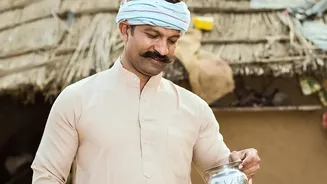
For a concentrated dose of Punjabi culture, head to Sadda Pind. This cultural village, spread across 12 acres, recreates the authentic feel of a traditional Punjabi village with mud houses, artisans at work, and folk performers. You can try your hand at pottery, watch a Giddha or Bhangra performance, and savour traditional cuisine. It’s an immersive experience that offers a glimpse into the heart of rural Punjab without leaving the city.
Visit the Durgiana Temple
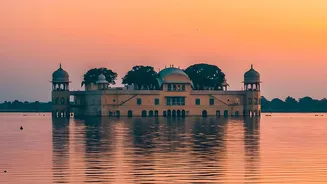
Often called the Silver Temple for its intricately carved silver doors, the Durgiana Temple is a Hindu shrine that bears a striking architectural resemblance to the Golden Temple. Dedicated to the goddess Durga, the temple is situated in the middle of a sacred lake, creating a serene and picturesque setting. It offers a peaceful spiritual experience and showcases the harmonious architectural influences that define Amritsar's sacred spaces.