






Retail vs. Wholesale: A Tale of Two Numbers
When tracking car sales in India, two key metrics often cause confusion: manufacturer dispatches and retail sales. Dispatches, or wholesale figures, represent the number of vehicles a manufacturer sends to its dealerships. This number can be high if dealers are
stocking up for a festive season or a new launch, but it doesn't mean customers are buying them at the same rate. On the other hand, retail sales data, compiled by the Federation of Automobile Dealers Associations (FADA), tracks actual vehicle registrations by the end consumer. This figure provides a far more accurate snapshot of genuine market demand. Looking at retail sales prevents a skewed view caused by inventory build-up at dealerships and reflects the true pulse of the buyer.
October's Electrifying Performance in Detail
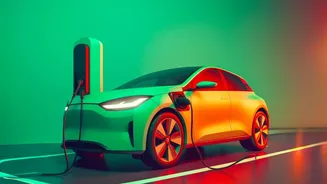
According to FADA's latest data, the Indian electric passenger vehicle market saw a remarkable 76.47% year-on-year (YoY) growth in October 2026. Retail sales reached 37,049 units, a significant jump from the 20,995 units sold in October 2025. This growth is especially notable when compared to the overall passenger vehicle market, which saw a decline. As a result, the market share of electric cars in overall passenger vehicle retail sales rose to 7.3% in October 2026, more than doubling from 3.5% in the same month last year. This demonstrates not just a seasonal spike but a structural shift in consumer preference toward electric mobility.
Who is Winning the EV Race?
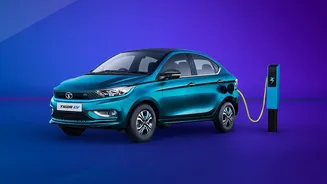
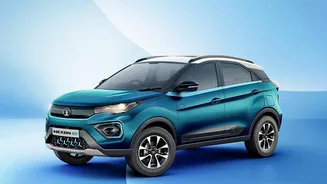
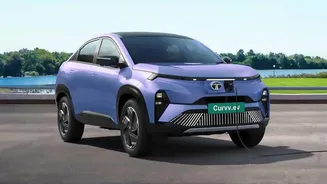
Tata Motors continues its reign in the EV space, leading the market with 14,669 units retailed in October 2026, marking a 77.6% YoY growth for the company. However, the competition is heating up. Mahindra & Mahindra secured a strong second position, retailing 8,538 EVs, an impressive 85.7% increase from the previous year. MG Motor India also held its ground, coming in third with 5,939 units sold. While Tata still holds a dominant market share of around 40%, the narrowing gap indicates a more competitive and mature market is forming, with newer players also making their mark. The top selling models for the month included the Tata Punch EV and Mahindra XEV 9S.
What's Fuelling This Unprecedented Surge?
Several factors are converging to accelerate EV adoption in India. The festive season provided a significant, though slightly complex, push; while some major festival dates shifted into November this year, the underlying positive consumer sentiment remained. More importantly, a growing portfolio of new EV models across different price points is making electric cars more accessible. Government incentives, such as favourable GST rates of 5% on EVs compared to higher taxes on internal combustion engine (ICE) vehicles, play a crucial role. Furthermore, advancements in battery technology, which have improved vehicle range, and the steady expansion of charging infrastructure are helping to alleviate consumer anxiety and boost confidence.