





What's Really in Your Dust?
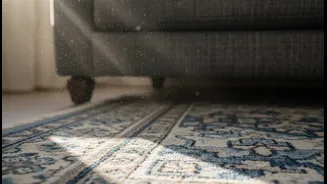
Before you can conquer dust, it helps to know your enemy. Contrary to popular belief, it's not just human skin. Household dust is a complex mixture that includes dead skin cells from people and pets, fabric fibres from clothes and furniture, pollen, and soil
particles tracked in from outside. It's also home to microscopic organisms like dust mites, bacteria, and mould spores, especially in humid environments. These tiny particles can trigger allergies and asthma, making dust control a matter of health, not just housekeeping.
Upgrade Your Cleaning Game
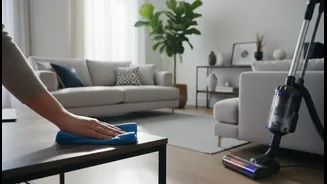
The goal of dusting is to trap and remove particles, not just send them airborne to settle somewhere else. Old-fashioned feather dusters are notorious for simply scattering dust. Instead, opt for tools that capture it. Damp microfiber cloths are highly effective at grabbing and holding onto dust particles. When cleaning, work from top to bottom. Dust ceiling fans, light fixtures, and the tops of shelves first, so any dislodged particles fall onto surfaces you haven't cleaned yet. For floors, vacuuming before mopping ensures you pick up larger debris. A vacuum with a HEPA filter is particularly good at trapping tiny allergens that other vacuums might recirculate into the air. Finally, don't forget to wash bedding, including sheets and pillowcases, at least once a week to control dust mite populations.
The Declutter and Store Strategy
Every object in your home is a potential landing pad for dust. Cluttered spaces with lots of exposed items have significantly more surfaces for dust to settle on. One of the most effective long-term strategies for a lower-dust home is to reduce clutter and embrace smart storage. Instead of open shelves piled high with books and knick-knacks, consider using closed cabinets. For items you do keep on display, be prepared to dust them regularly. For clothing, especially seasonal items, storing them in airtight containers or garment bags prevents them from becoming dust magnets. This is far more effective than leaving them stacked on an open shelf or on the closet floor. By simply having fewer places for dust to land, you make your cleaning routine faster and more effective.
Mastering Moisture Control
Dust mites, a primary allergen in household dust, thrive in humidity. They don't drink water but absorb moisture from the air, so a damp home is their ideal breeding ground. To make your home less hospitable to them, aim to keep your indoor humidity level below 50%. Using a dehumidifier, especially in naturally damp areas like basements or bathrooms, can make a huge difference. Always use exhaust fans when cooking or showering to vent moist air outside. Repairing any leaks and ensuring good ventilation throughout your home also helps control moisture, which in turn inhibits the growth of both dust mites and mould.