



Matcha: The Enduring Green Giant
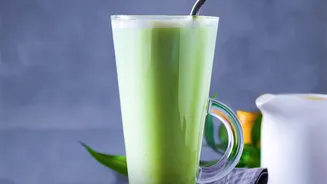
It’s hard to imagine a time before matcha lattes. This finely ground powder of specially grown and processed green tea leaves has transitioned from a component of traditional Japanese tea ceremonies to a global cultural phenomenon. Its popularity in India
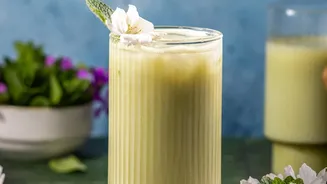
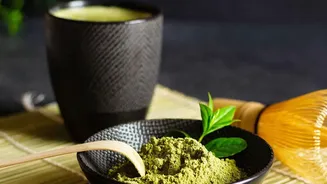
continues to surge, with Google Trends data from 2026 showing a massive 1300% increase in searches for 'how to make matcha' over the past year. This signals a shift from a cafe-only treat to a staple in home kitchens. The appeal is multi-faceted: it offers a distinct, earthy umami flavour, a wealth of perceived health benefits, and a gentle, sustained energy boost thanks to the combination of caffeine and L-theanine. From Delhi to Goa, the demand for this green drink remains strong, proving that matcha is much more than a fleeting trend.
Ube: The Visually Stunning Contender
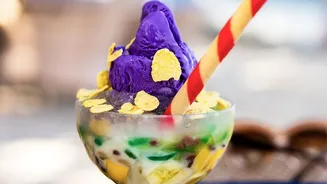
Enter ube, the ingredient making waves with its jaw-dropping, all-natural purple hue. Pronounced 'oo-beh', ube is a purple yam native to the Philippines, where it has been a beloved staple in desserts for centuries. Its flavour is complex and delightful—naturally sweet with notes of vanilla, coconut, and pistachio. Unlike matcha's vegetal notes, ube is creamier and more dessert-like, making it an instant hit in lattes, ice creams, and pastries. Its visual appeal is undeniable in the age of Instagram, but its popularity is more than skin-deep. Google search interest for ube in India reached an all-time high in August 2026, with searches for 'ube latte' and 'ube cafe' gaining significant momentum. Interestingly, Telangana is currently leading the search interest for this vibrant tuber in India.
Hojicha: The Cosy, Roasted Alternative
For those seeking a more subtle, comforting experience, hojicha is quickly becoming a go-to favourite. Hojicha is also a Japanese green tea, but with a crucial difference: the tea leaves are roasted after being steamed. This roasting process transforms the flavour profile entirely, removing the bitterness and grassy notes associated with other green teas and creating a smooth, nutty, and toasty character with hints of cocoa or caramel. The result is a reddish-brown tea that is both warming and sophisticated. Another key attraction is its significantly lower caffeine content, making it an ideal choice for an evening drink. Search interest for hojicha in India peaked in March 2026, with queries like 'hojicha vs matcha' seeing breakout growth, indicating that consumers are actively comparing the two to find their preferred profile. Delhi has emerged as a strong market for hojicha curiosity.
A Sign of Evolving Tastes
The rise of ube and hojicha doesn't signal the end of matcha. In fact, interest in all three is at an all-time high, with creative combinations like 'ube matcha' even becoming a breakout search term. Instead, this trend highlights a broader shift in the Indian palate. Consumers are becoming more adventurous, actively seeking out novel global flavours and unique sensory experiences. The curiosity extends beyond just taste. People are interested in the origins of their food, the preparation methods, and the cultural stories behind the ingredients. Whether it’s the vibrant aesthetic of ube, the comforting roast of hojicha, or the classic earthiness of matcha, the growing popularity of these flavours shows a desire for variety and a deeper engagement with what we consume. It proves that while we love our traditional chai and coffee, there’s always room for a new favourite in our cup.