


Loktak Lake, Manipur: The Floating World
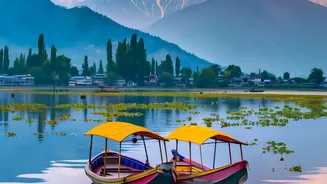
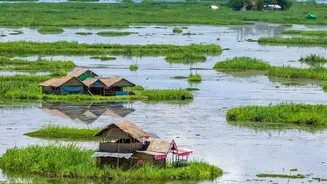
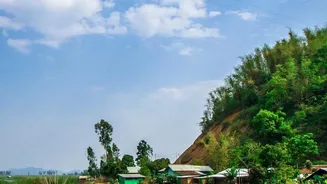
Loktak Lake is unlike any other waterbody in the world. As the largest freshwater lake in Northeast India, its most famous feature is the 'phumdis'—heterogeneous masses of vegetation, soil, and organic matter that float on its surface. These floating
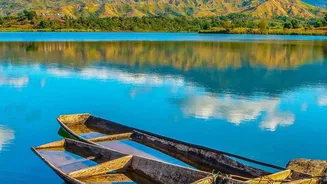
islands are so stable that local fishermen build their homes, called 'phumsangs', on them. The largest of these phumdis, covering 40 square kilometres, hosts the Keibul Lamjao National Park, the world's only floating national park. This unique park is the last natural refuge for the endangered Sangai, or brow-antlered deer, often called the 'dancing deer' for the graceful way it navigates the spongy, bobbing ground. A boat ride through Loktak offers a surreal glimpse into a lifestyle and an ecosystem found nowhere else on earth.
Gurudongmar Lake, Sikkim: The Sacred High-Altitude Giant
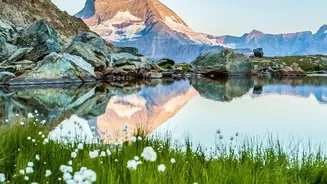
Perched at a staggering elevation of over 17,000 feet, Gurudongmar Lake in North Sikkim is one of the highest lakes in the world. Surrounded by stark, snow-dusted mountains just a few kilometres from the Chinese border, its glacial blue waters are considered sacred by both Buddhists and Sikhs. Legend holds that Guru Padmasambhava, the 8th-century Buddhist master, touched a portion of the lake, and that part never freezes, providing a source of water even in the harshest winters. The lake remains completely frozen from November to May, except for this small, miraculous patch. The journey to Gurudongmar is arduous, requiring acclimatisation to the thin air, but the reward is a divine, almost otherworldly sense of peace amidst the grandeur of the Himalayas.
Tsomgo Lake, Sikkim: The Glacial Jewel of the East
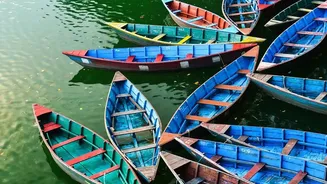
Just 40 kilometres from Gangtok, Tsomgo Lake, also known as Changu Lake, is a glacial wonder nestled at 12,313 feet. This oval-shaped lake is fed by melting snow from the surrounding mountains and remains frozen solid during winter. For the local Sikkimese people, Tsomgo is a place of deep reverence; in the past, Buddhist monks would study the colour of its water to predict the future. The lake’s surface reflects different hues with the changing seasons, from a deep turquoise in spring to a placid white in winter. Visitors can enjoy rides on colourfully decorated yaks and mules along its banks, making it one of Sikkim’s most accessible and picturesque high-altitude destinations.
Sela Lake, Arunachal Pradesh: Paradise Near the Pass
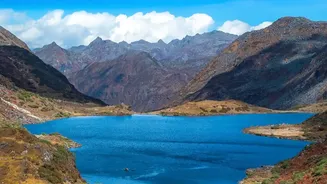
Located near the formidable Sela Pass at an altitude of 13,700 feet, Sela Lake is often called 'Paradise Lake' for its stunning beauty. This glacial lake is one of 101 sacred lakes in the Tawang region, holding deep spiritual significance for the local Monpa tribe and followers of Tibetan Buddhism. For much of the winter, the lake is completely frozen, its surface a sheet of ice reflecting the jagged peaks that encircle it. The area around the lake is rugged and has sparse vegetation due to the extreme climate, but its raw, untouched beauty is captivating. As a strategic point connecting Tawang to the rest of the country, the region is as important as it is beautiful.
Umiam Lake, Meghalaya: The Expansive Man-Made Sea
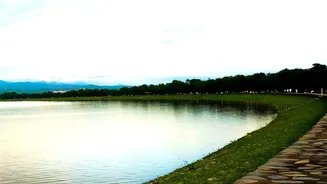
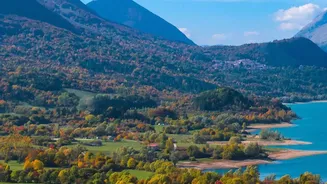
While many of Northeast India's famous lakes are natural and glacial, Umiam Lake in Meghalaya is a magnificent man-made reservoir. Known locally as 'Barapani' or 'big water', it was created in the early 1960s by damming the Umiam River for a hydroelectric project. The result is a sprawling, serene lake surrounded by the lush, rolling Khasi hills. Unlike its high-altitude counterparts, Umiam is a hub of activity, offering a variety of water sports like kayaking, boating, and water skiing. Its vast expanse and scenic beauty make the drive from Guwahati to Shillong one of the most picturesque routes in the region, offering a different but equally compelling lakeside experience.