




What is El Niño?
El Niño is a natural and recurring climate pattern, one phase of the El Niño-Southern Oscillation (ENSO) cycle. It is characterized by the unusual warming of surface waters in the central and eastern equatorial Pacific Ocean, a process that happens every
two to seven years. This massive release of heat from the ocean into the atmosphere doesn't just stay in the Pacific; it has a domino effect, altering weather patterns, rainfall, and temperatures across the globe. For India, El Niño is often associated with a weakening of the monsoon, leading to drier conditions and the potential for drought. Current forecasts from organizations like the World Meteorological Organization (WMO) indicate that the developing El Niño is not only certain to persist but could become one of the strongest on record.
The Significance of Two Degrees
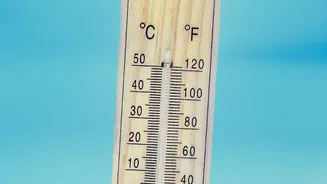
The 2°C figure is not an arbitrary number. It is the upper warming limit enshrined in the 2015 Paris Agreement, a global pact to combat climate change. Scientists have long identified this threshold as a crucial guardrail. Crossing it on a long-term basis would push the Earth’s climate into a state not experienced in the entirety of human civilization, dramatically increasing the risk of catastrophic and potentially irreversible impacts. These include more extreme heatwaves, severe droughts, water stress, and disruptions to ecosystems vital for human survival. The Paris Agreement also established a more ambitious goal of limiting warming to 1.5°C, as the risks are significantly lower at that level.
A Natural Push on a Warming World
The potential breach of the 2°C mark is a result of two forces combining: the long-term, human-caused warming trend and the short-term, natural warming boost from El Niño. Think of it as a rising tide (climate change) with a powerful wave (El Niño) on top of it. While the underlying global temperature is already over 1°C above pre-industrial levels, the immense heat that a strong El Niño releases into the atmosphere provides an extra push. Recent projections from research centers suggest there is now a significant probability—as high as 40%—that a single month in early 2027 could see the global average temperature exceed the 2°C limit for the first time.
Temporary Spike vs. Permanent Reality
It is crucial to understand the difference between a temporary spike and a permanent state. Scientists are clear that a brief, month-long or even year-long breach of the 2°C threshold does not mean the world has failed the Paris Agreement's long-term goal. That goal refers to a sustained, multi-decade average temperature. However, this potential temporary overshoot serves as a stark and alarming preview of the world we are heading towards if greenhouse gas emissions are not curbed. It is a warning shot—a glimpse into a future where 2°C of warming becomes the new normal, with all the dangerous consequences that entails. The current El Niño, expected to be one of the strongest in modern history, is giving us a real-world test of what that future might feel like.
What This Means for India
For India, the combination of a strong El Niño and a warming baseline is particularly concerning. The most immediate impact is on the monsoon, which is the lifeline for the country's agriculture and water security. A weaker monsoon, which is often linked to El Niño, can lead to reduced rainfall, straining water reservoirs and affecting crop sowing for both the kharif and rabi seasons. Beyond the monsoon, this global temperature spike can amplify heatwaves, making them more frequent, intense, and longer-lasting across the country. This creates cascading challenges, from increased stress on the power grid to public health risks and greater food production instability. While El Niño's influence can vary, the current super-charged event on top of an already warmer planet significantly raises the stakes for India's climate resilience.