







Genes Load the Gun...
We often hear people attribute health conditions to their genes. Phrases like “heart disease runs in my family” or “we’ve always struggled with weight” are common. It's true that our DNA provides the fundamental blueprint for our bodies. This genetic
code can include predispositions—a higher likelihood of developing certain conditions, from high cholesterol to diabetes. Think of your genes as a set of potentialities. They might load the gun, creating a scenario where a particular health issue is more likely, but that’s only half the story. The belief that our genetic fate is sealed is being overturned by a more nuanced understanding of how our bodies work. While you can't change the genes you were born with, you have a surprising amount of influence over which genes are actually expressed, or 'switched on'.
...And Your Lifestyle Pulls the Trigger
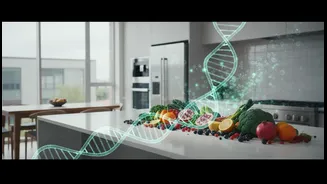
This is where your kitchen comes in. The field of epigenetics studies how your behaviours and environment can cause changes that affect the way your genes work. While our DNA sequence itself doesn't change, epigenetic modifications act like switches, telling your body which genes to read and which to ignore. Nutrition is one of the most powerful tools for influencing these switches. The food you eat, the way you cook it, and even the stress levels in your home send constant signals to your cells. These signals can either activate genes that protect you from illness or, conversely, trigger those that make you more susceptible. A large study even found that a healthy lifestyle can offset the effects of life-shortening genes by over 60%, drastically reducing the risk of premature death regardless of genetic predisposition.
The Power on Your Plate
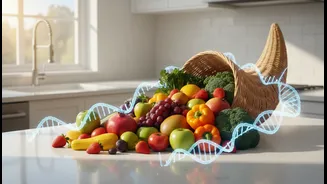
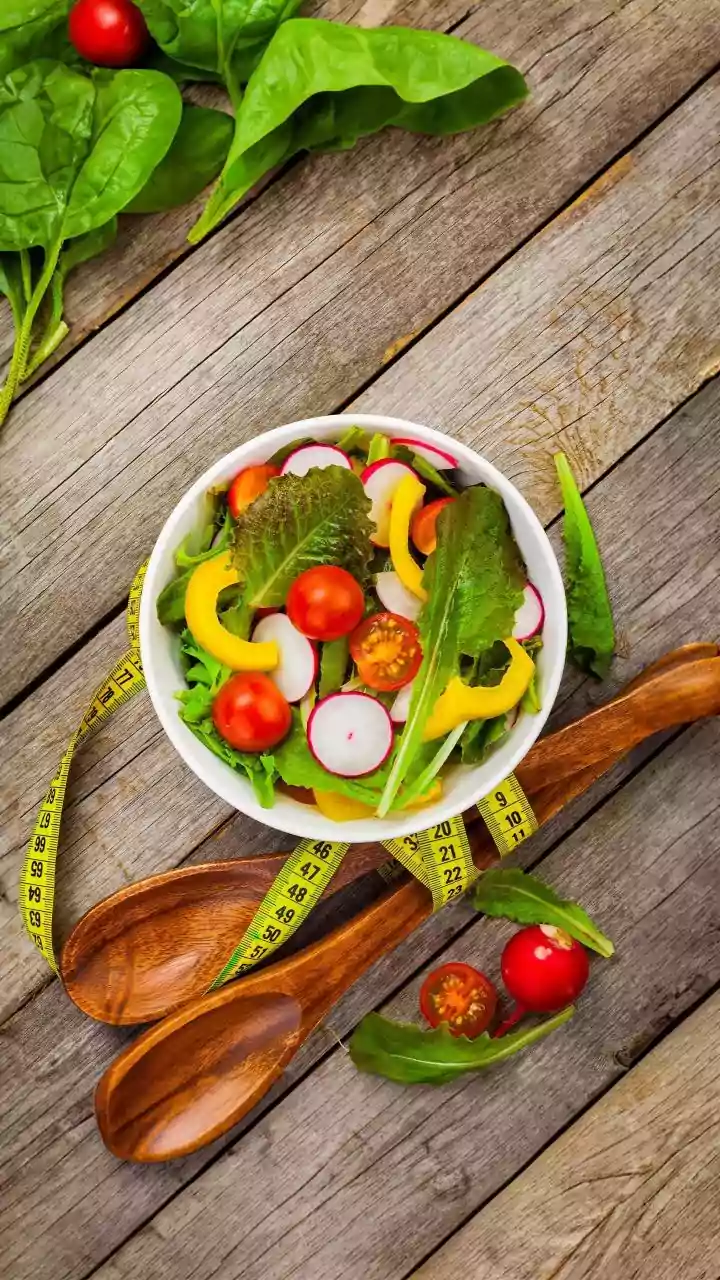
The science of how nutrition interacts with our genes is called nutrigenomics. It explains, on a molecular level, why your daily food choices matter so profoundly. Many foods contain bioactive compounds that directly influence gene expression. Polyphenols, found in colourful fruits, vegetables, green tea, and even coffee, can help regulate epigenetic markers. Spices like turmeric contain curcumin, which supports healthy inflammatory responses at a genetic level. Cruciferous vegetables like broccoli and cabbage contain sulforaphane, a compound known to activate antioxidant pathways. By consistently including these foods, you are essentially programming your body for better health, helping to suppress genes linked to chronic diseases like obesity, heart disease, and some cancers. A diet rich in whole foods, fibre, and healthy fats helps build a resilient biological system.
More Than Just Ingredients
The kitchen's influence extends beyond the food itself. It’s an entire ecosystem. Your cooking methods matter—steaming or sautéing is gentler on nutrients than deep frying. The cookware you use is also part of the equation; choosing materials like stainless steel or cast iron over some non-stick surfaces can reduce exposure to unwanted chemicals. Even the way you organise your space plays a role. A kitchen where fresh fruits and vegetables are visible and accessible encourages healthy snacking, while a cluttered space might lead to choosing processed, convenience foods. Storing leftovers in glass containers instead of certain plastics, managing food waste through composting, and even the simple act of conserving water contribute to a healthier home environment that supports your overall wellbeing.