



A Journey Reimagined
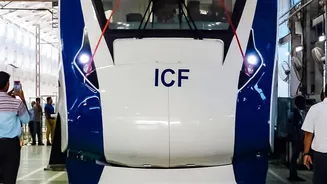
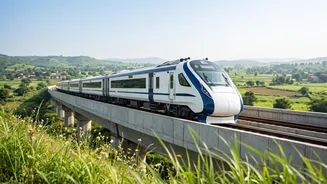
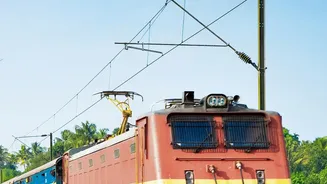
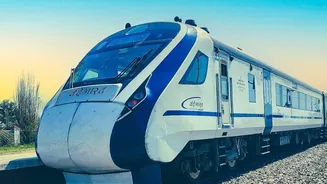
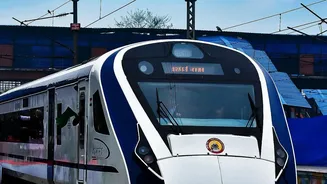
The introduction of the Vande Bharat Express has significantly cut down the travel time between New Delhi and Varanasi. Where older trains like the Shatabdi Express could take up to 12 or 13 hours, the semi-high-speed Vande Bharat completes the journey
in just eight hours. This reduction of four to five hours is more than a simple convenience; it fundamentally changes the viability of the trip. An overnight journey is replaced by a comfortable day trip, arriving in Varanasi by early afternoon. This shift means travellers from the National Capital Region can realistically plan a trip to the holy city without dedicating multiple days to travel alone, making it an accessible getaway.
The Rise of the Weekend Pilgrim
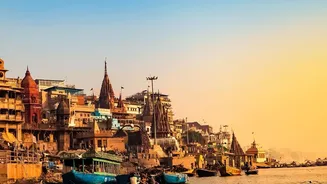
This enhanced connectivity directly caters to a growing travel trend in India: the micro-vacation. An increasing number of Indians, from young professionals to families, are opting for several short trips throughout the year instead of one long annual holiday. The faster train makes Varanasi a prime destination for this new class of tourist. A traveller can leave Delhi on a Friday evening or Saturday morning, spend a full day and a half exploring the ghats, temples, and culture of Varanasi, and be back in the capital by Sunday night, ready for the work week. This model appeals to those seeking a spiritual recharge or cultural immersion without the need for extensive leave from work. This trend isn't just about leisure; it's also fuelling a boom in religious tourism to destinations like Varanasi, Ayodhya, and Tirupati.
An Economic Boost for Varanasi
The influx of short-duration tourists promises a significant economic ripple effect for Varanasi's local economy. This type of tourism, characterized by higher frequency and shorter stays, means more business for hotels, guesthouses, restaurants, local guides, and boat operators on the Ganga. Direct expenditure by pilgrims and tourists on accommodation, food, and religious items injects vital revenue into the community and supports small and medium-sized enterprises. Faster, more reliable connectivity makes the city a more attractive hub, potentially encouraging tourists to extend their stays or use Varanasi as a base to explore other nearby religious and heritage sites like Prayagraj and Chitrakoot. The development of transport infrastructure has a proven, positive impact on tourism-related sectors.
More Than Just Speed
The appeal of the Vande Bharat service isn't just its speed but also its enhanced comfort and modern amenities. The train sets feature amenities like onboard Wi-Fi, GPS-based passenger information, and cleaner, more modern interiors, which are a significant upgrade over conventional trains. For travellers on a tight schedule, a comfortable and reliable journey is as important as the destination itself. Studies show that travellers on short breaks are often willing to spend more on comfort and experiences, even if the trip itself is brief. This preference for quality makes modern train services a key factor in their travel decisions, as the journey becomes part of the overall positive experience.
Navigating the Challenges of Growth
While the boost in tourism is a welcome development, it also presents challenges for Varanasi. The city already grapples with issues of overcrowding, pollution, and strain on its urban infrastructure, with millions of tourists visiting annually. A further increase in visitor numbers, especially concentrated over weekends, could exacerbate problems like traffic congestion and pressure on key sites like the Kashi Vishwanath temple and the city's famous ghats. To sustainably manage this growth, experts call for integrated development strategies, including better traffic management, decentralizing tourist flows, and ensuring that infrastructure development keeps pace with the rising footfall. Balancing modernization with the preservation of Varanasi's unique heritage will be crucial for its long-term success as a premier tourist destination.