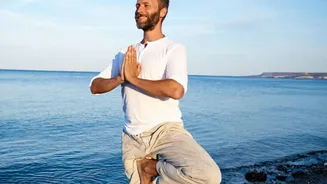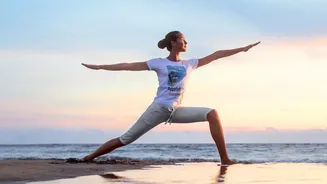





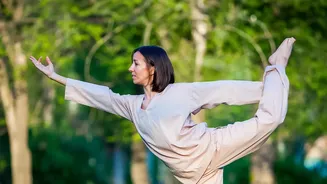

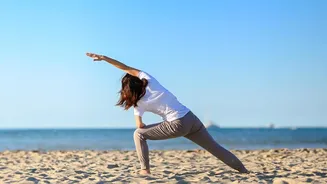
The Appeal of Open-Air Practice
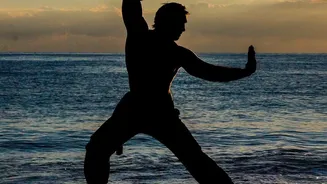
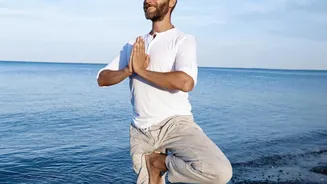
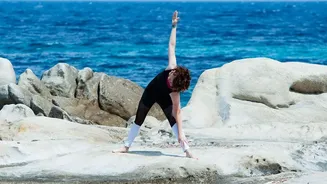
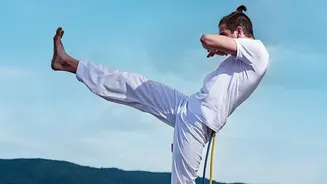
There’s a reason why outdoor Tai Chi is gaining popularity. Moving this ancient practice from an indoor studio to a natural environment can amplify its well-known benefits. Practitioners often report lower stress, improved flexibility, and a greater sense
of calm when surrounded by fresh air and natural light. The open space encourages deeper, more expansive breathing, a core component of Tai Chi that supports mental clarity and nervous system regulation. The sounds of nature, like the rhythmic crashing of waves, can even help you find and maintain a steady, meditative pace in your movements, enhancing focus and relaxation. A beach setting also offers a dose of Vitamin D from the sun, which is essential for bone health and immune function.
Sand, Slopes, and Stability
Despite the benefits, the sandy shore is a far cry from a flat, stable studio floor. The primary challenge is the unstable surface. Sand constantly shifts under your feet, forcing your body to work much harder to maintain balance. Your ankles, core muscles, hips, and lower back must engage more intensely to stabilize your body through each posture and transition. This can be a great way to build strength, but it also increases the risk of strain if you aren't prepared. Furthermore, most beaches have a natural slope toward the water. Practicing on this uneven plane can put asymmetrical stress on your body, potentially leading to soreness in one knee, leg, or hip. Being mindful of this instability is the first step toward a safe and effective beach practice.
Modify Your Form for the Shore
To practice safely on sand, you must adapt your technique. The key is to create a more stable base. Widen your stance slightly and sink a little deeper by bending your knees more than you would on a hard surface. This lowers your center of gravity. Think about your movements as being fluid and underwater, without abrupt stops. It's also wise to shorten your stances and steps to maintain better control as you shift your weight. Pay close attention to your knee alignment; your knees should always track over your toes and should not twist. Never lock your standing leg; keep it slightly bent to act as a shock absorber. Many find that firmer, wet sand near the waterline offers a more stable surface than deep, soft sand. Experiment to find what feels best for your body.
Preparation is Key
Your usual Tai Chi routine requires a few adjustments before you hit the sand. Consider going barefoot to improve your connection with the ground and allow the small muscles in your feet to adapt. However, if you're not used to being barefoot, start with short sessions to avoid blisters from the abrasive sand. Wear loose, comfortable clothing that allows for a full range of motion. Since you'll be exposed to the elements, sun protection is non-negotiable. Apply sunscreen, wear a hat, and consider practicing during the cooler temperatures of sunrise or sunset to avoid the harshest rays and busiest crowds. Finally, always bring plenty of water. Even with a cool ocean breeze, you can become dehydrated quickly while exercising outdoors.
Listen to Your Body's Wisdom
The most important principle in Tai Chi is to move without pain. This is especially true when you introduce a challenging variable like sand. Start slowly and with shorter sessions than you might typically do indoors. Allow your body time to acclimate to the new demands on your stabilizer muscles and joints. If you feel any sharp or unfamiliar pain, especially in your knees or ankles, it’s a sign to stop and rest. The goal is mindful movement, not pushing through discomfort. Don't get so lost in the beautiful scenery that you forget to check in with your physical sensations. A successful beach practice is one that leaves you feeling refreshed and energized, not sore or injured.