





Beyond the Theme-Pandal Spectacle
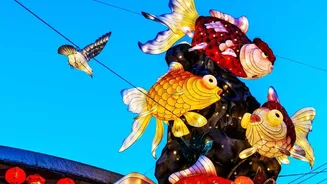
Pandal hopping is the definitive Puja activity, turning the city into the world's largest open-air art gallery. Every year, neighbourhoods compete with elaborate, temporary structures based on themes ranging from historical monuments to contemporary social
issues. These theme pujas are marvels of artistry and draw massive crowds. However, many Kolkatans will tell you that the real heart of the festival beats in the smaller, traditional 'parar pujos' (neighbourhood pujas). These are less about spectacle and more about community, where generations of families have gathered. They offer a glimpse into the timeless traditions and a more intimate atmosphere than their larger, more crowded counterparts.
A City-Wide Culinary Pilgrimage
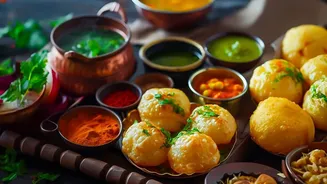
Durga Puja is a five-day feast where dieting is forgotten and culinary indulgence is celebrated. While pandal hopping, the streets come alive with vendors selling everything from the city's iconic kathi rolls and phuchka to Kolkata-style biryani and chowmein. Don't miss out on classic Bengali snacks like telebhaja (fritters) and ghugni (a pea curry). A quintessential experience is partaking in 'bhog'—the food offered to the goddess, which is then distributed to the community. This is often a simple but delicious meal of khichuri, labra (a mixed vegetable dish), and chutney, and eating it at a pandal is an act of communal joy.
The Soul of the Festival: Adda
If the pandals are the body of Durga Puja, 'adda' is its soul. Adda is the untranslatable Bengali concept of long, freewheeling conversations among friends and family. During Puja, you'll see groups gathered on doorsteps, in tea stalls, and near pandals, catching up and engaging in lively debates that last for hours. This is where plans are made, memories are shared, and the bonds of community are strengthened. The festival provides a rare opportunity in today's fast-paced world for people to reconnect face-to-face, making adda a cherished and vital part of the experience.
The Rhythms of Celebration
The soundscape of Puja is as distinctive as its visual splendour. The air is filled with the rhythmic, powerful beat of the 'dhak', a traditional drum that is synonymous with the festival's arrival. Skilled 'dhakis' (drummers) create an electrifying atmosphere that invites celebration. Many pandals also host cultural programmes featuring everything from traditional folk music and dance to modern concerts and plays. A particularly mesmerizing sight is the 'dhunuchi naach', a ritual dance performed while balancing earthen pots filled with burning incense, especially during the evening rituals.
A Bittersweet Farewell
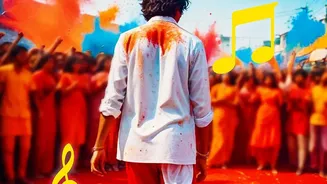
The festival culminates on Dashami, the tenth day, with a mix of celebration and sorrow. In a ritual known as 'Sindoor Khela', married women smear vermillion on each other and bid farewell to the goddess, wishing her a safe journey back to her celestial abode. This is followed by grand processions where the idols are carried to the Hooghly river for immersion, or 'Bhashan'. The streets fill with people dancing and chanting, “Aasche bochhor abar hobe!” (It will happen again next year). This final spectacle is a powerful and emotional conclusion to the city's grandest festival.