


A Commuting Revolution Arrives
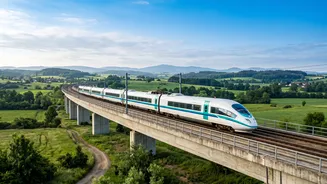
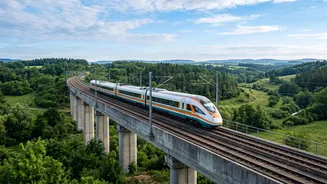
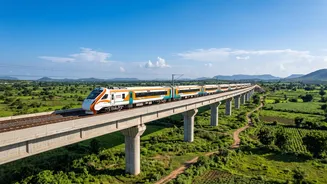
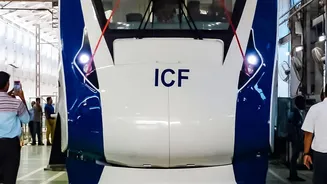
The National Capital Region Transport Corporation (NCRTC) has launched new 'fast services' on the groundbreaking Delhi-Ghaziabad-Meerut Regional Rapid Transit System (RRTS) corridor. These limited-stop Namo Bharat trains are set to dramatically reduce
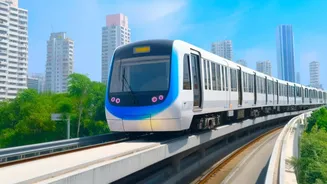
the journey time between Sarai Kale Khan in Delhi and the rapidly developing hub of Modipuram in Meerut. This move is more than just an infrastructure upgrade; it represents a fundamental shift in how residents of the NCR can live, work, and travel, making long-distance daily commutes faster and more comfortable than ever before. Unlike the conventional metro, which serves dense urban areas with frequent stops, the RRTS is engineered for high-speed regional travel, connecting major nodes across the NCR with fewer stops and significantly higher speeds.
Faster Than Ever: Under 50 Minutes
The headline feature of these new services is speed. The fast trains will cover the entire 82-kilometre corridor from Sarai Kale Khan to Modipuram in less than 50 minutes. This is a substantial reduction compared to the regular services, which take approximately 64 minutes. To achieve this, the fast trains will halt at only five key stations: Sarai Kale Khan, Anand Vihar, Ghaziabad, Begumpul, and Modipuram. This is especially beneficial for peak-hour commuters, including office-goers and students. For instance, the trip from Anand Vihar to Begumpul will now take just 36 minutes. These services are scheduled during morning and evening rush hours, with departures from both ends of the corridor at 8:00 AM, 8:30 AM, 6:00 PM, and 6:30 PM.
The Namo Bharat Experience
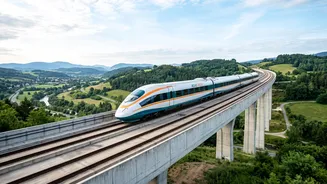
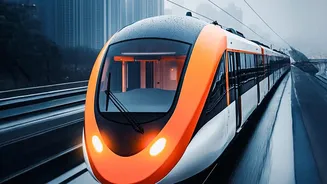
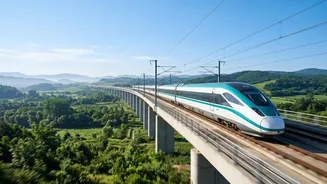
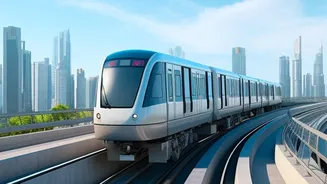
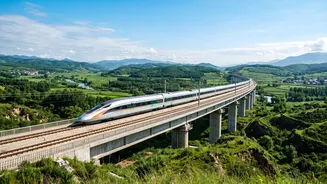
Riding the RRTS is a world away from a typical train journey. The Namo Bharat trains have a design speed of 180 km/h and an operational speed of 160 km/h, making them India's fastest commuter rail system. Inside, passengers can expect modern, air-conditioned coaches with ergonomically designed seating and ample legroom. The trains feature amenities like mobile charging points, CCTV cameras for security, and dedicated space for wheelchairs. For those seeking an elevated experience, a premium class coach on every train offers wider seats, more privacy, and a higher level of comfort. These features are designed to encourage a shift from private vehicles to public transport, which is also a key strategy in combating the region's air pollution.
Economic and Social Impact
The impact of the RRTS extends far beyond just saving time. This high-speed link is a powerful engine for economic growth and balanced regional development. By connecting residential areas like Meerut and Ghaziabad with the commercial hubs of Delhi, the corridor opens up new job opportunities and makes it feasible for people to access better employment without relocating. This enhanced connectivity is expected to boost the real estate market along the entire route, encouraging transit-oriented development (TOD) around the stations. These new hubs will feature a mix of residential, commercial, and retail spaces, creating self-sufficient urban clusters and reducing the population pressure on Delhi's core.
What Commuters Need to Know
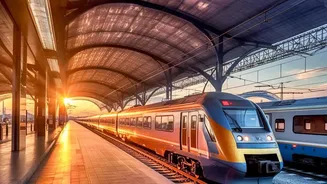
The introduction of these fast services runs parallel to the regular Namo Bharat trains, which will continue to operate at a frequency of about 10-15 minutes, stopping at all stations along the corridor. The NCRTC advises passengers to pay close attention to station display boards and platform announcements to distinguish between a regular service and a fast, limited-stop service. This ensures that commuters board the correct train for their destination. With a daily ridership already reaching 1.1 lakh, the Delhi-Meerut corridor has proven to be a vital artery for the region, and these new express services are set to make it even more indispensable for daily travellers.