





A Once-in-a-Dozen-Years Marvel
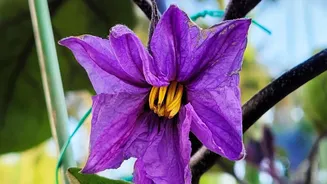
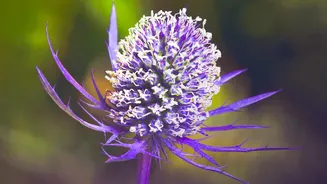
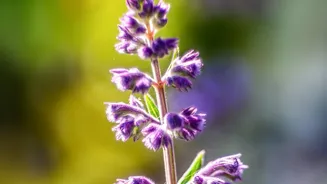
The Neelakurinji, or Strobilanthes kunthiana, is a shrub endemic to the shola forests of the Western Ghats in South India. Its claim to fame is its highly unusual and synchronized blooming cycle. For 11 long years, the plant grows quietly, almost unnoticed.
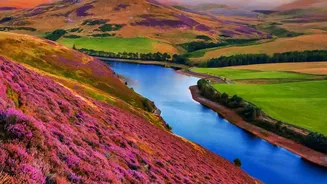
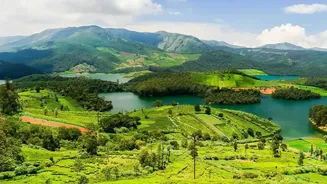
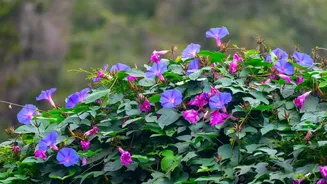
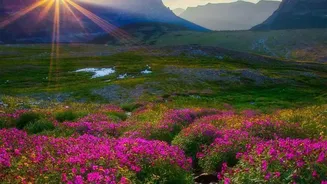
Then, in the 12th year, something incredible happens. Triggered by a mysterious internal clock, hundreds of thousands of these shrubs burst into flower simultaneously, transforming the rolling green hills of places like Munnar into a breathtaking sea of blue. This mass flowering, known as a plietesial event, typically occurs between August and October. After this spectacular, once-in-a-lifetime display, the plants produce seeds for the next generation and then die, completing their unique cycle.
When and Where to See the Bloom
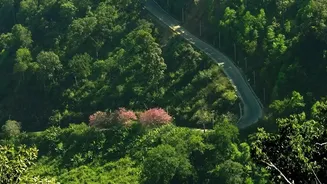
The last major mass blooming event took place in 2018, making the next one highly anticipated around 2030. However, nature doesn't always follow a strict schedule. Smaller, localised blooms of different Strobilanthes species can occur in other years. In fact, reports from August 2026 indicate that flowering has already begun in some stretches of Idukki and the Nilgiris, prompting tourism to resume after heavy rains. The prime locations to witness this spectacle are in Kerala and Tamil Nadu, particularly in the high-altitude grasslands of Munnar's Eravikulam National Park, which is the most famous habitat for the flower. Other areas include Kolukkumalai, Kodaikanal, and the Nilgiri Hills, which literally mean 'Blue Mountains', a name derived from the Neelakurinji's periodic bloom.
More Than Just a Pretty Flower
The Neelakurinji bloom is not just a visual treat; it's a vital ecological event. The mass flowering provides a sudden, abundant source of nectar for honeybees, leading to the production of a rare, prized 'Kurinjithen' or Kurinji honey. This event supports a wide range of pollinators and is an indicator of the shola grassland ecosystem's health. For the local Paliyan tribe, the flower holds cultural significance, as they have traditionally used its 12-year cycle to calculate their age. The plant's deep roots also play a crucial role in preventing soil erosion on the steep slopes of the Ghats, making its conservation essential for the region's stability.
The Golden Rule: Look, But Never Touch
The message from authorities is crystal clear: admire the beauty from a distance, take as many photographs as you like, but do not pluck the flowers. The Neelakurinji is now a protected plant under Schedule III of India’s Wildlife (Protection) Act, 1972. Plucking or destroying the plant is a serious offence that can result in a hefty fine of up to ₹25,000 and imprisonment for up to three years. This strict rule is in place for a crucial reason. The plant is monocarpic, meaning it flowers only once before dying. Plucking the blooms prevents the plant from producing seeds, thereby breaking its 12-year regeneration cycle and threatening the survival of the species. Any harm to these plants can have a lasting negative impact on the entire fragile ecosystem.