



The Annual Tax Scramble
For salaried individuals and many professionals across India, the end of July signifies a race against time. It's the peak of Income Tax Return (ITR) filing season, a period marked by collecting documents, reconciling Form 26AS and AIS statements, and navigating
the e-filing portal. This annual exercise, while a crucial civic duty that funds the nation's growth, can feel complex and stressful. The pressure to meet the deadline and ensure accuracy often leads to a collective sigh of relief once the return is finally submitted, but also sparks conversations about the very nature of taxation.
A Glimpse of a Tax-Free Paradise?
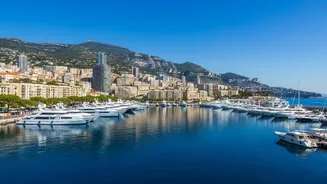
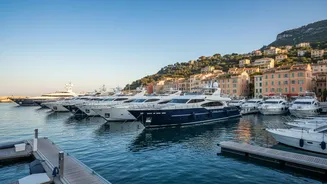
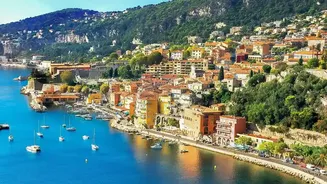
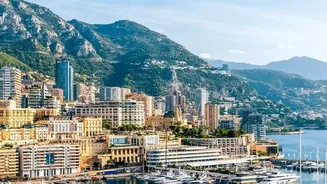
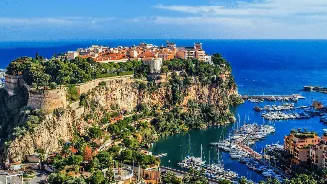
In stark contrast to this reality stands the Principality of Monaco. This tiny, glamorous city-state on the French Riviera has been a magnet for the world's ultra-wealthy for over a century, thanks in large part to a decision made back in 1869 to abolish personal income tax. For its residents, this means no tax on salaries, dividends, investment income, or capital gains. The concept is so alluring that during the height of tax season elsewhere, Monaco seems less like a country and more like a financial fantasy.
How a Country Survives Without Income Tax
If residents don't pay income tax, how does Monaco afford its high standard of living, pristine public services, and security? The government has a diversified revenue strategy. A significant portion, estimated to be around 50%, comes from a Value Added Tax (VAT) of 20%, which is levied on goods and services and aligned with France's system. Another major source is corporate income tax. This tax, currently at 25%, applies to businesses that generate more than 25% of their turnover outside of Monaco. Revenue from tourism, luxury real estate transactions, and state-owned enterprises, including the famous Monte Carlo Casino, also fill the government's coffers. The model works because it is a small nation attracting high-spending individuals and businesses.
The Steep Price of Admission
Living this tax-free dream, however, is anything but free. Gaining residency in Monaco is a formidable process designed to ensure only the financially secure are admitted. An applicant from a non-EU country like India must first secure a long-term visa from French authorities. After that, the requirements from Monaco itself are steep. Prospective residents must prove they have suitable accommodation, which means renting or buying some of the world's most expensive real estate. They must also demonstrate financial self-sufficiency, which typically requires depositing at least €500,000, and often €1 million or more, into a Monaco bank account. Finally, a clean criminal record is non-negotiable. It is a high barrier to entry that ensures the principality remains a playground for the rich.
An Unrealistic Comparison
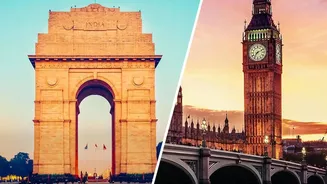
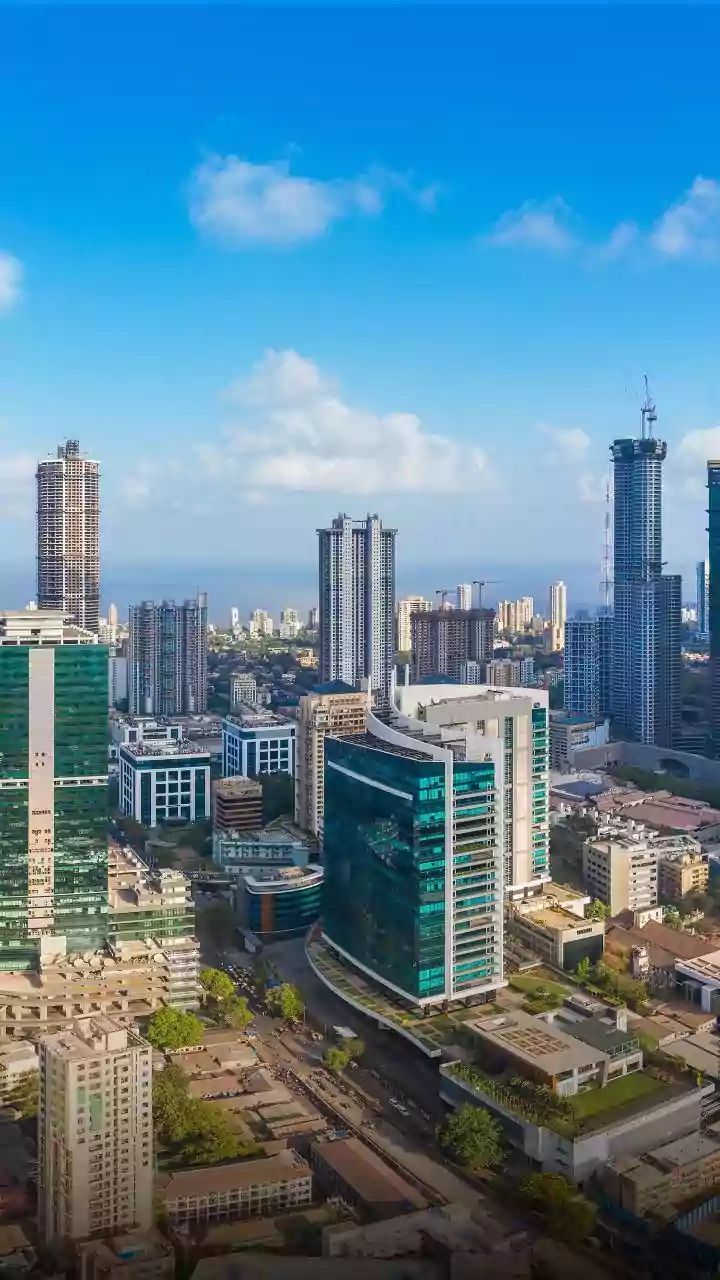
Comparing India's tax system to Monaco's is like comparing an elephant to a mouse. India, a vibrant democracy of over 1.4 billion people, relies on a broad-based tax system to fund everything from massive infrastructure projects and defense to social welfare schemes and public health. Its progressive income tax structure is designed, in principle, to ensure that those who earn more contribute more to the nation's development. Monaco, with a population of under 40,000 in an area smaller than many Mumbai neighbourhoods, has entirely different needs and economic realities. Its system is tailored to a tiny, homogenous, and exceptionally wealthy population. While there is no personal income tax, the cost of living is astronomically higher—rent alone can be over 2500% more expensive than in India.