



The hills of Nagaland are gearing up for a riot of colour, music, and ancient tradition. The Hornbill Festival, one of India's most spectacular cultural events, is set for its 27th edition from December 1 to 10, 2026.
What is the 'Festival of Festivals'?
Often called the 'Festival of Festivals',
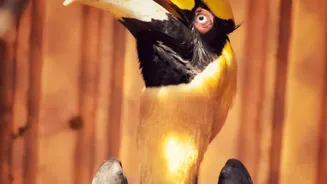
the Hornbill Festival is an annual celebration that brings together all the major tribes of Nagaland. Started in the year 2000 by the state government, its primary aim was to encourage inter-tribal interaction and to preserve and promote the rich, diverse cultural heritage of the Naga people. The festival is named after the Indian hornbill, a bird revered in Naga folklore for its grandeur and alertness. For ten days, the Naga Heritage Village of Kisama, located about 12 kilometres from the capital city of Kohima, transforms into a microcosm of Nagaland itself, offering a unique opportunity for visitors to experience the customs, dances, songs, and traditions of its 16-plus tribes in one place.
A Feast for the Senses
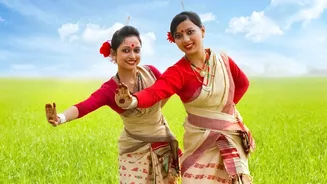
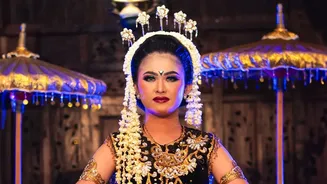
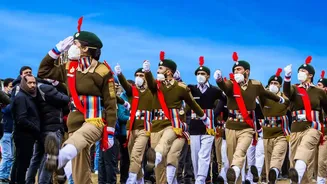
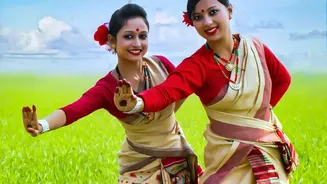
The Hornbill Festival is a vibrant spectacle. The main arena hosts a daily rotation of cultural performances, where each tribe showcases its unique folk dances, war cries, and traditional songs in full ceremonial attire. Beyond the main stage, visitors can explore 'morungs'—traditional youth dormitories—which are reconstructed for each tribe. Here, you can interact with elders, watch artisans demonstrate ancient crafts like weaving and wood carving, and sample local delicacies. The air is filled with the rhythm of log drums and the aroma of smoked pork with bamboo shoot, one of the many authentic Naga dishes available. The festival also features indigenous games like traditional wrestling, archery, and even a notoriously spicy Naga king chilli eating contest.
Beyond the Daytime Festivities
The energy of the Hornbill Festival doesn't fade with the sunset. As evening falls, the focus shifts to other exciting events. The Hornbill Music Festival and the Hornbill International Rock Contest, one of India's oldest battle-of-the-bands, draw huge crowds with performances from local and national acts. In Kohima town, the Night Carnival comes alive with bustling streets filled with food stalls and pop-up shops, creating a lively market atmosphere that continues late into the evening. These evening events offer a modern counterpoint to the traditional daytime celebrations, showcasing the dynamic contemporary culture of Nagaland.
Planning Your Trip for December 2026
Attending the Hornbill Festival requires some advance planning. The festival consistently runs from December 1 to 10. The nearest airport and major railway station are in Dimapur, which is about 70-75 km from Kohima. From Dimapur, it's a 2–3 hour drive to Kohima by taxi. Accommodation in Kohima and surrounding villages like Kigwema fills up months in advance, so booking early is crucial. Options range from hotels in Kohima to charming homestays that offer a more personal cultural experience. It is recommended to spend at least two or three days at the festival to absorb the full experience.
Important: Permits and Entry
All Indian tourists from outside Nagaland must obtain an Inner Line Permit (ILP) to enter the state. This can be applied for online through the official government portal, ilp.nagaland.gov.in. The process requires a photo ID and a passport–sized photograph. Foreign nationals (with the exception of citizens from a few specific countries) do not require a special permit but must register with the local Foreigner's Registration Office (FRO) upon arrival. These permits are checked at entry points like Dimapur airport and road checkposts. The entry ticket to the festival itself is separate and can be purchased at the gate in Kisama.