







A Tradition Steeped in Sweetness
Long before it entered the world of geopolitics, the mango was deeply woven into the fabric of Indian life. With a history stretching back thousands of years, the fruit is mentioned in ancient Vedic texts and is a powerful symbol of prosperity, love,
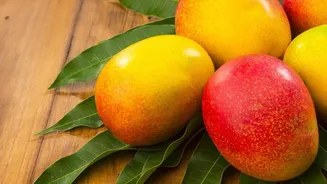
and joy in Hindu and Buddhist traditions. Mango leaves are used in auspicious rituals, and the fruit itself is a celebrated marker of summer’s arrival. This deep cultural reverence is the foundation of its diplomatic power. Gifting mangoes in India is more than a simple gesture; it's an expression of goodwill and a way of sharing happiness, a tradition that has seamlessly translated onto the world stage.
The Diplomatic Debut
The practice of using mangoes to charm foreign dignitaries dates back decades. India's first Prime Minister, Jawaharlal Nehru, was known to gift choice mangoes to world leaders, even offering etiquette lessons on how to best enjoy the fruit. A famous account from the 1950s recalls how Chinese Premier Zhou Enlai’s stern demeanour reportedly softened after tasting a mango from Nehru. In another instance, Nehru sent prized Indian mango saplings to China as a return gift for a pair of spotted deer and cranes, introducing the fruit to a nation where it was largely unknown. These early acts established the mango as a personal, disarming gesture in the often-rigid world of diplomacy.
The American Breakthrough: A 'Nuclear Mango' Deal
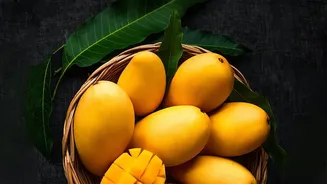
The mango’s journey to the 'Oval Office' was not without its hurdles. For years, from 1989 into the 2000s, Indian mangoes were banned from the United States due to concerns about pests like fruit flies. The breakthrough came in 2006. During a visit to New Delhi focused on a landmark civil nuclear pact, then-US President George W. Bush expressed a desire to taste the famed Alphonso mango. After trying it, he reportedly called it a “hell of a fruit.” This personal endorsement helped accelerate negotiations. Soon after, Prime Minister Manmohan Singh and President Bush reached what commentators dubbed the “nuclear mango deal,” which finally granted Indian mangoes access to the American market in exchange for allowing US products like Harley-Davidson motorcycles into India. The first shipment arrived in the US in April 2007, marking a sweet victory in trade relations.
A Juicy Tool of Modern Foreign Policy
The tradition has been enthusiastically continued by successive governments. Prime Minister Narendra Modi's administration has frequently used mangoes to sweeten ties with global leaders. This 'mango diplomacy' extends throughout the subcontinent, with India, Pakistan, and Bangladesh all engaging in the practice. Bangladesh's Prime Minister has sent Haribhanga mangoes to leaders in New Delhi, a gesture seen as a way to maintain warm relations, especially during periods of political strain. Even internal political rivals in India have been known to exchange boxes of the fruit as a sign of goodwill, demonstrating the mango's power to transcend disputes. The gesture serves as a barometer of fairness in trade talks and a literal sweetener to complex negotiations.
Why This Sweet Strategy Works
In an era of high-stakes negotiations, the simple gift of a mango offers a personal touch that formal channels often lack. It represents a piece of India’s cultural soul and natural bounty. For countries that have resolved trade disputes, like the agreement between India and the US on market access for mangoes and pomegranates in return for American cherries and pork, the fruit becomes a symbol of mutual benefit and friendship. By sharing its 'king of fruits', India projects an image of generosity and cultural richness, turning a seasonal delicacy into a memorable and effective ambassador of goodwill on the global stage.