

A Conservation Story for the Ages
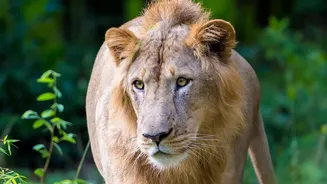
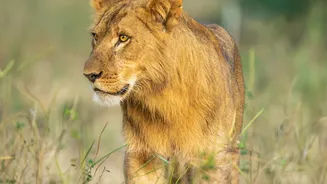
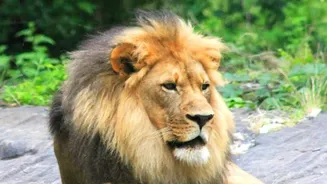
Not long ago, the Asiatic lion was on the verge of being wiped out, with fewer than 50 individuals remaining in the early 20th century. Today, thanks to decades of dedicated conservation efforts centered in Gujarat's Gir National Park, their numbers have
made a remarkable recovery. The 2020 census counted 674 lions, and by 2025, that number had jumped to an estimated 891. This incredible growth, however, has led to a new, complex problem. The Gir landscape, which spans about 30,000 square kilometers, has become overcrowded. Lions are naturally dispersing into surrounding areas, including farmlands and coastal zones, increasing the potential for human-animal conflict.
The Danger of a Single Home
Having the entire global wild population of a species in a single location is a high-stakes gamble. Conservation experts have long warned that a single catastrophic event—like an outbreak of disease or a natural disaster—could be devastating. This fear was partially realised in 2018 when a Canine Distemper Virus outbreak killed 28 lions in Gir within weeks, highlighting the species' vulnerability. For years, a proposal to move some lions to Kuno National Park in Madhya Pradesh to create a geographically separate population has been stalled. This has made the search for a second home within Gujarat a critical priority under the central government's 'Project Lion'.
Why Barda Became the Chosen One
About 100 kilometers from Gir lies the Barda Wildlife Sanctuary, a rugged, 192-square-kilometer forest that is now at the heart of Gujarat's lion conservation strategy. Historically, lions roamed Barda until they disappeared from the area in 1879. Its ecosystem is similar to Gir's, making it an ideal candidate. The process of Barda becoming a second home began organically in January 2023 when a lone male lion naturally dispersed and walked into the sanctuary after an absence of 144 years. This event confirmed its potential, and the Gujarat Forest Department followed up by introducing five females to establish a new population.
Paving the Way for the Kings
Transforming Barda into a sustainable lion habitat has been a monumental task. A key challenge was the low prey base. To solve this, the forest department has been actively relocating herbivores. In 2025-26 alone, hundreds of chital (spotted deer) were moved from Gir to Barda using the gentle 'Boma' technique to ensure their safety. Sambar deer have also been introduced to bolster the prey population. Furthermore, to minimize human-animal conflict and create an undisturbed habitat, the government has announced a compensation scheme to encourage the voluntary relocation of semi-nomadic pastoralist families, known as 'maldharis', from within the sanctuary.
A New Home and a Hopeful Future
The efforts are already showing remarkable results. As of recent studies and government announcements, Barda is now home to a growing pride of 17 lions, including one male, five females, and eleven cubs. A recent study published in the journal 'PLOS One' confirmed that Barda can support a long-term lion population, with radio-collared lions showing they have established home ranges and are successfully hunting. Eight full-time trackers monitor the animals' health and movements daily. The establishment of Barda as a satellite population is a milestone for Project Lion, creating an ecological insurance policy for this iconic species. It serves as a vital buffer, ensuring that the roar of the Asiatic lion will echo across Gujarat for generations to come.