




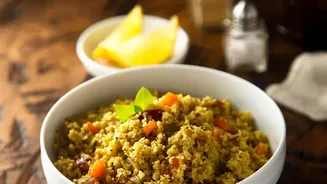
Chickpeas (Chana)
A staple in Indian households, chickpeas (both Kabuli chana and kala chana) are incredibly versatile. A single cup of cooked chickpeas offers around 15 grams of protein, along with significant amounts of fibre, iron, and folate. While chana masala is
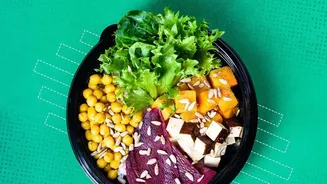
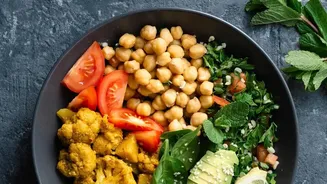
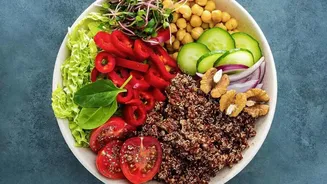
a beloved classic, think beyond the curry. Roasted chickpeas make for a crunchy, addictive snack that can replace fried options. Toss them into salads for a substantial protein boost, blend them into hummus for a creamy dip, or add them to vegetable pulao for a more filling one-pot meal. Black chickpeas (kala chana) are particularly noted for their high protein and fibre content, making them excellent for satiety and weight management.
Lentils (Dal)
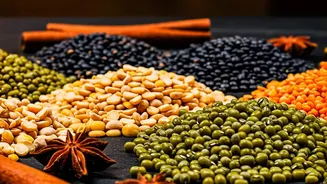
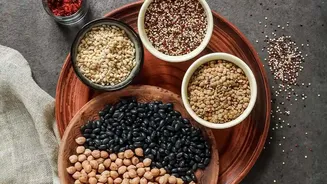
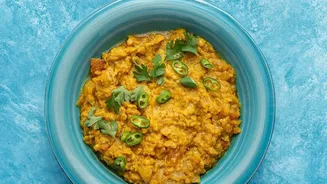
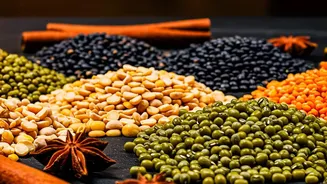
No Indian kitchen is complete without a variety of lentils. From masoor dal to moong dal, these pulses are protein powerhouses, with most common types providing 22 to 25 grams of protein per 100 grams when raw. Moong dal is often cited as one of the highest in protein and is easily digestible. While a simple dal tadka is the ultimate comfort food, lentils can do so much more. Use masoor dal to create hearty, thick soups. Ground moong dal can be used to make savoury pancakes (cheela), a nutritious breakfast option. Sprouted lentils can be added to salads for a fresh crunch, significantly boosting the meal's nutritional profile without any cooking at all.
Kidney Beans (Rajma)
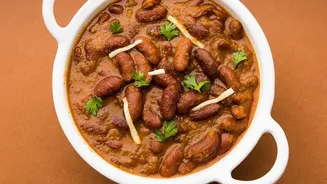
Synonymous with a comforting Sunday lunch, rajma is more than just a weekend treat. Raw kidney beans contain about 22-24 grams of protein per 100 grams, which translates to a satisfying 8-9 grams when cooked. Their low glycemic index makes them particularly good for blood sugar control. Beyond the classic rajma-chawal, these beans are fantastic in a variety of dishes. Mash them with spices to create delicious patties for burgers and tikkis. Use them as a base for a hearty salad with chopped onions, tomatoes, and a tangy lemon dressing. Their creamy texture also works well in wraps and as a filling for stuffed parathas, offering a welcome change of pace.
Black-Eyed Peas (Lobia)
Often overlooked, black-eyed peas, or lobia, are a fantastic source of protein, fibre, and iron, offering roughly 23 grams of protein per 100 grams in their raw form. Their earthy flavour and firm texture make them a wonderful addition to many dishes. A simple lobia curry, simmered with ginger, garlic, and tomatoes, makes for a quick and wholesome weeknight meal that pairs perfectly with roti or rice. They also hold their shape well, making them ideal for vibrant salads mixed with bell peppers, corn, and a light vinaigrette. For a creative twist, try incorporating them into mixed-dal preparations or even savoury fritters.
Whole Mung Beans (Sabut Moong)
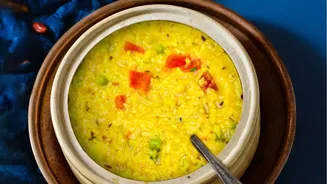
While split moong dal is common, the whole green gram is a nutritional gem in its own right. It provides about 24 grams of protein per 100 grams (raw) and is packed with essential nutrients. One of the best ways to consume whole mung is by sprouting it, which enhances its nutritional value and makes it easier to digest. Sprouted mung can be the star of a refreshing and filling salad or a quick stir-fry. You can also cook it into a simple dal or a more elaborate curry. In many parts of India, whole mung is used to make a wholesome one-pot meal called khichdi, combining the beans with rice for a complete protein dish that is both comforting and restorative.