
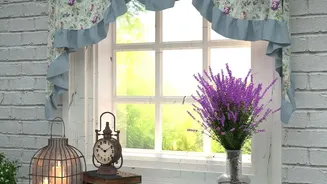
Find Your 'Hero' Fabric
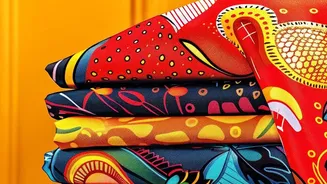
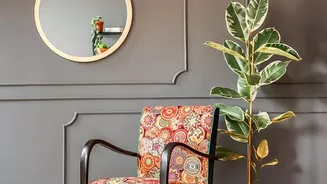
The first step is to find one textile that you absolutely love. In design, this is often called the 'hero' fabric because it sets the tone for the entire room. This piece will be your guide for colour, pattern, and mood. It doesn't have to be a massive
bolt of fabric; it can be anything from a set of vintage curtains or a bold area rug to a single statement cushion or a piece of fabric you intend to stretch as wall art. Look for patterns that scream 'retro' to you. The 1960s were famous for psychedelic paisleys and bold, geometric shapes like circles and squares. The 1970s leaned into earthy tones, with large-scale floral prints and abstract, swirling motifs on materials like corduroy and polyester. Don't be afraid of colour or scale—the hero fabric should be memorable and have strong visual interest.
Pull Your Colour Palette
Once you have your hero piece, the rest of the room's colour scheme is right there in the pattern. Instead of agonizing over paint swatches, simply pull three to five colours directly from the textile. Choose a dominant colour for large surfaces like walls. Select a secondary colour for significant furniture pieces like a sofa or accent chairs. Finally, pick one to three accent shades for smaller items like lamps, vases, and other accessories. Fabric manufacturers often include colour dots on the selvage (the edge of the fabric) that show the intended palette, making it even easier. This method ensures a cohesive and harmonious look without the guesswork, creating a space that feels professionally designed.
Layer with Complementary Textures
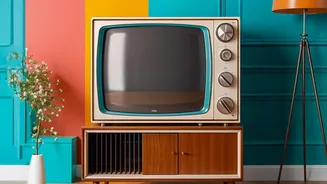
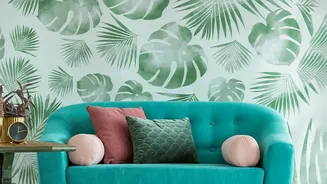
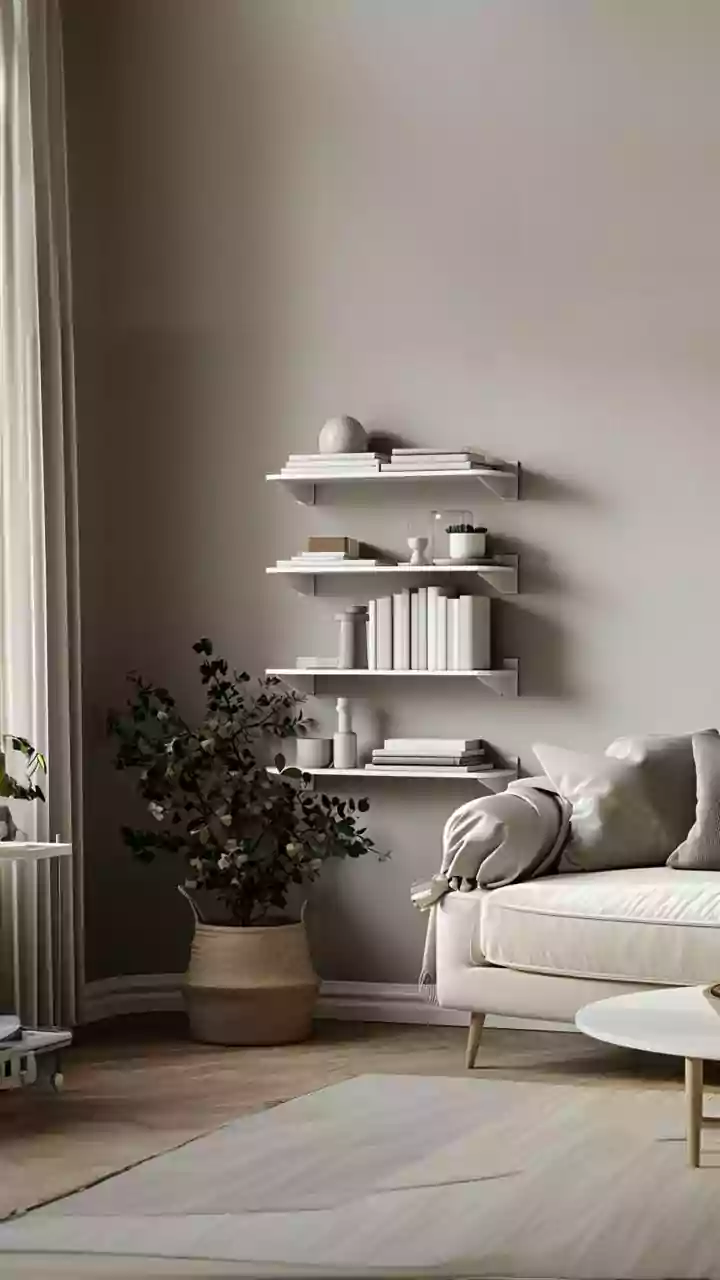
A room with only one pattern can feel a bit flat. The key to making your retro space feel rich and inviting is to layer in different textures. Your hero fabric is the star, so the other fabrics should play a supporting role. Balance a bold, busy print with solid colours pulled from your new palette. If your hero is a smooth cotton print, bring in contrasting textures like plush velvet, chunky knit throws, or a shag rug. Retro design embraces a mix of materials, so think beyond fabrics. Incorporate natural wood tones in furniture, the sleek coolness of chrome or brass in lighting and table legs, and the smooth surface of ceramic decor to create a dynamic, tactile environment.
Select Supporting Furniture and Shapes
The furniture you choose should echo the vibe of your textile. Retro furniture is known for its distinctive silhouettes. For a '60s or '70s feel, look for pieces with soft, curved lines, low profiles, and peg legs. Materials like teak, walnut, and rosewood are hallmarks of the mid-century era, while chrome and colourful plastics speak more to the space-age optimism of the late '60s. The goal is for your furniture to complement, not compete with, your hero fabric. A sofa with clean, simple lines in a solid colour from your palette will allow a wildly patterned curtain or rug to shine. If your hero fabric is on a smaller item, like an ottoman, you can afford to be more expressive with your larger furniture pieces.
Accessorise to Complete the Look
The final layer is all about the details that tie the room together. Use your accent colours from the hero fabric to guide your choices for lamps, artwork, and decorative objects. An orange from a floral print could be echoed in a table lamp. A cool blue from a geometric pattern might appear in a set of throw pillows. Don't underestimate the power of these smaller items. They are the easiest and often most affordable way to inject personality and reinforce your retro theme. Grouping items in odd numbers is a classic design trick that creates a more natural, visually appealing look. By using your textile as a constant reference point, you can confidently choose accessories that feel connected and intentional, completing your stylish journey back in time.