




The Liquid Satiety Puzzle
The core issue is how our bodies register calories from liquids versus solids. Research suggests that liquid calories are often less satisfying than those from solid foods. This phenomenon, sometimes called 'liquid satiety,' happens for a few reasons.
Liquids pass through the stomach faster than solid foods, meaning the physical sensation of fullness is shorter-lived. Furthermore, the simple act of chewing sends important satiety signals to the brain, telling it that you're eating and should start to feel full. Smoothies, which bypass this chewing process, may not trigger these same hormonal signals as effectively, leaving your brain and stomach out of sync. This can lead you to feel hungry again soon after, despite having consumed a significant number of calories.
Common Smoothie Mistakes
Many commercially prepared and homemade smoothies are not designed for satiety. A common mistake is loading them with fruit and fruit juice, which can create a sugar-heavy drink without much substance. Blending fruit breaks down its natural fiber, which can lead to rapid sugar absorption and subsequent energy crashes. Another frequent error is forgetting to add enough protein and healthy fats. A smoothie made of only carbohydrates, even from healthy fruits, is digested quickly. Without the slowing power of protein and fat, you'll likely feel hungry again in no time, defeating the purpose of a meal-replacement drink.
How to Build a Better Smoothie
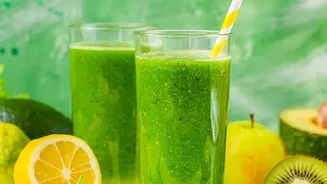
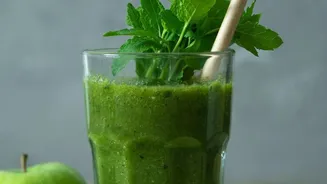
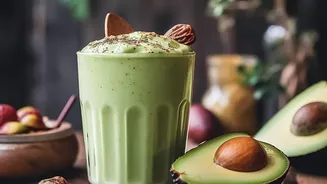
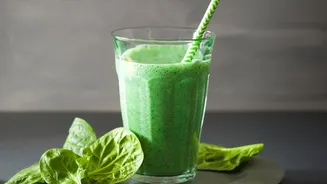
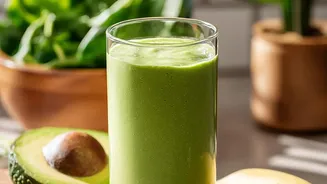
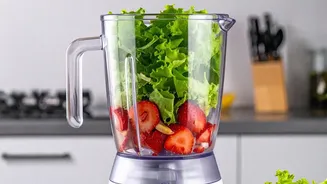
The key to a satisfying smoothie that supports your diet is balance. To combat poor liquid satiety, you need to build a drink that mimics the components of a filling meal. Focus on including three key elements: protein, fiber, and healthy fats. For protein, think Greek yogurt, protein powder, or silken tofu. For fiber, add a handful of spinach or kale, chia seeds, flaxseeds, or a scoop of oats. Healthy fats, which improve creaminess and satisfaction, can come from a spoonful of nut butter or a quarter of an avocado. These ingredients slow down digestion, help manage blood sugar, and contribute to a more sustained feeling of fullness.
The Mindful Sipping Technique
How you drink your smoothie also matters. Because our brains don't always register liquid calories effectively, gulping down a smoothie in two minutes is a recipe for feeling unsatisfied. Instead, try to slow down and 'eat' your smoothie. Pour it into a bowl and top it with a few nuts or seeds, forcing you to use a spoon. This simple trick encourages you to slow your pace. Some research suggests that even if you can't chew the liquid, sipping it slowly over a longer period can improve feelings of fullness compared to drinking it quickly. This gives your body and brain more time to process the incoming nutrients and register that you've had a substantial meal.
A Tool, Not a Magic Bullet
Ultimately, a smoothie is just one tool in your dietary toolkit. It can be a fantastic way to pack in nutrients, especially for those who might otherwise skip a healthy meal due to a busy schedule. A well-constructed smoothie with around 400-800 calories and at least 20 grams of protein can serve as a legitimate meal replacement. However, a smaller, lower-calorie smoothie is better suited as a snack. The most important thing is to be intentional. By understanding the concept of liquid satiety and thoughtfully choosing your ingredients, you can make smoothies a nutritious, satisfying, and sustainable part of your healthy eating plan rather than an accidental weight-loss saboteur.