








The classic Indian homebuyer's dilemma: a spacious home on the outskirts or a compact flat in the city centre? The decision between size and location is complex, and the true cost goes far beyond the initial price tag and monthly EMI.
Beyond the EMI: The Total Cost of Ownership
When purchasing a home,
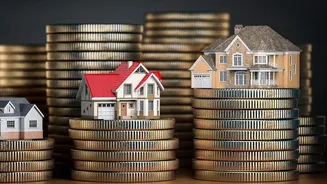
buyers tend to focus on the property's price and the resulting Equated Monthly Instalment (EMI). However, this is just the entry fee. The total cost of ownership is a far more critical metric, encompassing all expenses over the long term, including maintenance, taxes, utilities, and even commute costs. A larger home, while often cheaper per square foot in a peripheral location, comes with a host of recurring expenses that can significantly inflate your monthly budget over the next 15 to 20 years. These hidden costs can quietly add 10-20% to your overall housing expenditure.
The Compounding Cost of a Longer Commute
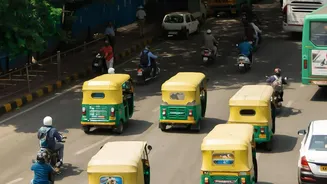
A property on the city's outskirts might offer a significant price advantage, sometimes running into several lakhs. However, this saving is often directly offset by the recurring cost of a longer commute, which is paid daily in both time and money. Consider the fuel, vehicle maintenance, or public transport fares, which can amount to a substantial sum annually. Beyond the direct financial drain, there is the invaluable loss of personal time—hours spent in traffic that could otherwise be dedicated to family, health, or relaxation. Urban planners increasingly view commute as an invisible household expense that directly impacts quality of life.
Higher Running Costs: Utilities and Maintenance
A larger home naturally consumes more resources. More rooms mean more lights, fans, and air conditioners, leading to higher electricity bills, especially during India's hot summers. Monthly society maintenance charges are also typically calculated per square foot, meaning a bigger flat pays more for the upkeep of common areas like lifts, gardens, and security. Furthermore, property tax, an annual recurring cost, is often linked to the size and value of the property. Municipalities across India use systems based on capital value or unit area, both of which result in higher taxes for larger properties.
The Underestimated Expense of Furnishing
An empty house is not a home, and filling a larger one costs significantly more. The jump from a 2BHK to a 3BHK isn't just about one extra bedroom set and wardrobe. It often includes a larger living and dining area that requires more furniture, a bigger kitchen, more curtains, and additional decor. The cost of interiors, including a modular kitchen, wardrobes, lighting, and painting, can easily run into several lakhs. While a basic 2BHK interior package might start around ₹8-12 lakh, a comparable 3BHK package often begins at ₹13-20 lakh, demonstrating how the costs scale beyond just one additional room.
Location, Lifestyle, and Long_Term Value
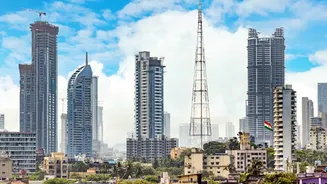
While a bigger home offers more space, a prime location provides invaluable convenience. Proximity to workplaces, schools, hospitals, and markets saves both time and transportation costs. These locations often boast better social infrastructure and connectivity, which contributes to a higher quality of life. From an investment perspective, properties in central, well_established micro_markets tend to have more stable demand and potentially higher appreciation rates compared to those in emerging corridors. The decision, therefore,' isn't just about the size of your house but the quality of the life you can live in and around it.