






Why Fan Speed Matters More Than You Think
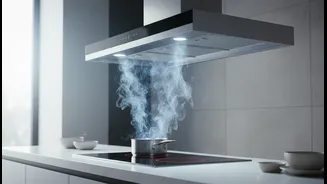
Most of us either forget to turn the kitchen fan on or simply blast it at full power for any and all cooking. However, your chimney's multiple fan speeds are there for a reason. Using the wrong speed can be inefficient. Too low, and smoke and oily grime
escape into your kitchen, settling on surfaces. Too high, and you're wasting electricity and creating unnecessary noise. The goal is to create just enough suction to capture smoke and odours effectively without overdoing it. This not only leads to a more pleasant cooking environment but also helps prolong the life of the chimney's motor by avoiding constant strain at maximum power. By tailoring the fan speed to the task, you create a cleaner, quieter, and more energy-efficient kitchen.
The Low Gear: For Gentle Simmering and Steaming
The lowest fan setting is perfect for light cooking that produces minimal smoke or strong smells. Think of it as the quiet workhorse for your daily kitchen activities. Use the low speed when you are boiling potatoes, simmering dal, steaming vegetables, or reheating food. These tasks generate mostly steam and very little grease or smoke. Running the fan on low is sufficient to handle the moisture and prevent a stuffy feeling in the kitchen without the loud roar of a high-speed fan. It's also ideal if you need to run the fan for an extended period, for instance while slow-cooking, as it puts minimal stress on the motor.
The Middle Ground: Your Go-To for Everyday Cooking
The medium speed setting is your all-rounder, perfectly suited for the majority of Indian daily cooking. This is the ideal speed for preparing sabzis, curries, bhurji, or pan-frying parathas. These methods produce a moderate amount of smoke, heat, and oil splatters. The medium setting provides a good balance, effectively capturing the fumes from sautéing onions and spices without being excessively noisy or power-hungry. For most family meals, this will be your most frequently used setting, ensuring the air stays clear as you cook without making conversation impossible.
Full Power: For Intense Heat, Smoke, and Odours
Reserve the highest fan speed for the most demanding kitchen tasks—the ones that generate a lot of smoke, grease, and pungent odours. This setting is essential for heavy Indian cooking techniques. Engage full power when you're doing a tadka (tempering spices in hot oil), deep-frying puris or pakoras, grilling kebabs on a tawa, or indulging in any wok-style cooking. These activities release a dense cloud of smoke and oil particles that can quickly overwhelm a kitchen. The maximum setting creates the strong suction needed to capture these pollutants immediately, preventing them from spreading and leaving a greasy film all over your home.
Don't Forget Duration: The 15-Minute Rule
Effective ventilation isn't just about what happens during cooking, but also before and after. It's a good practice to turn the fan on a minute or two before you start cooking. This helps establish a proper airflow pattern, ensuring smoke is drawn up as soon as it's produced. More importantly, always leave the fan running for 10 to 15 minutes after you've finished cooking. Pollutants and odours can linger in the air long after you've turned off the stove. Letting the chimney run for a little while longer ensures all residual fumes are cleared out, leaving your kitchen air fresh and clean.