



The Holy Trinity of Flavour
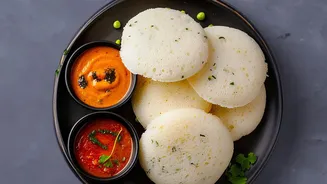
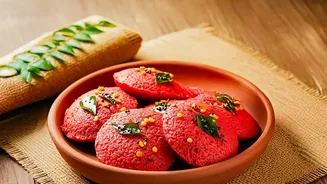
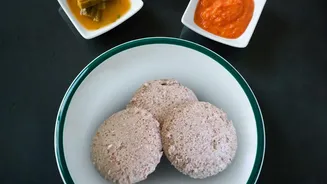
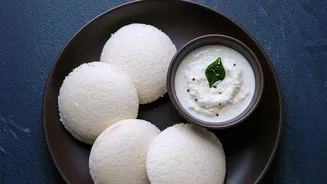
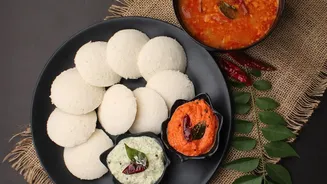
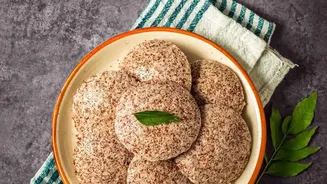
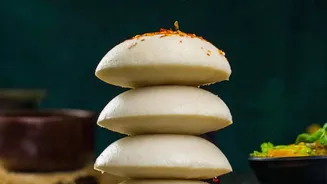
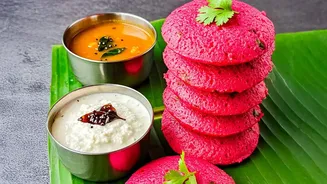
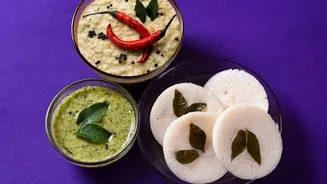
Before finding the right balance, it's essential to appreciate the role each component plays. The idli is a soft, neutral canvas, celebrated for its steamed, pillowy texture. The podi, or 'gunpowder', is where the excitement lies. It's a coarse, dry powder made
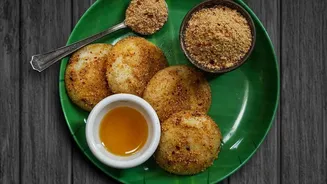
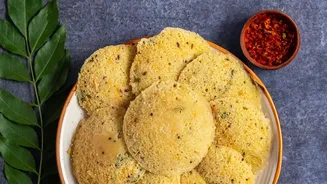
from roasted lentils, chillies, and other spices, delivering texture and a spicy kick. Ghee, the third element, is more than just a fat; it's a flavour vehicle. It mellows the podi's raw heat, helps it cling to the idli, and adds a distinct nutty richness that oil cannot replicate. When these three elements are in harmony, the result is a bite that is simultaneously soft, crunchy, spicy, and rich—a true sensory delight.
Where It All Goes Wrong
The most common mistake is an overabundance of ghee. While it’s tempting to be generous, too much liquid fat completely saturates the dry podi. Instead of a flavourful, slightly gritty coating, you get a heavy, oily paste. This not only creates an unpleasant, greasy mouthfeel but also masks the complex, roasted flavours of the lentils and spices in the podi. The heat of the chillies gets dampened, and the textural contrast is lost. Another frequent error is using cold ghee with warm idlis. Ghee should always be gently warmed before use. Warm ghee is less viscous, allowing it to coat the idli and bind the podi more evenly without oversaturating any single spot. Cold idlis also prevent proper absorption, leading to a greasy surface.
Finding Your Golden Ratio
There is no single, universally perfect podi-to-ghee ratio. The ideal balance depends heavily on the podi itself and your personal taste. A finely ground podi will absorb more ghee than a coarse one. A spicier podi might need a little extra ghee to temper its fire. As a starting point, aim for a ratio of approximately 2 parts podi to 1 part melted ghee by volume. However, the best approach is to start with less ghee and add more if needed. A great technique is the 'well' method: place a heap of podi on your plate, make a small crater in the centre, and pour the warm ghee into it. This allows you to control how much ghee you pick up with each piece of idli, adjusting the ratio with every bite until you find what works for you.
The Quality of Ingredients Matters
The quality of your podi and ghee profoundly impacts the final taste and the amount of each you need. A high-quality, homemade podi made with well-roasted lentils will have a deep, nutty flavour that you won’t want to mask. Many store-bought versions can be overly spicy or taste flat, tempting you to add more ghee to compensate. Similarly, pure, traditionally prepared ghee has a much richer aroma and flavour than mass-produced varieties. Using high-quality ingredients means you can be more restrained, allowing the true character of both the podi and the ghee to shine through without needing to drown the idli in fat to create flavour.
Mastering the Application Technique
How you combine the elements is just as crucial as the ratio. While mixing podi and ghee into a paste beforehand is an option, it often leads to greasiness as it's hard to judge the consistency. A better method is to first break up the warm idlis into bite-sized pieces. Sprinkle the podi over the pieces, tossing them gently to get a light, even coating. Then, drizzle the warm, melted ghee over the top. This method ensures the podi adheres directly to the idli's surface, preserving its texture, while the ghee adds moisture and richness without creating a slurry. Some recipes even call for a final tempering of mustard seeds and curry leaves in the ghee for an extra layer of aroma before drizzling it over the podi-coated idlis.