





More Than Just an Outfit
For years, festive dressing in the U.S. and abroad followed a predictable pattern, often leaning on mass-produced garments that prioritized sparkle over substance. But a shift is underway, led by a generation that values authenticity and personal storytelling.
Gen Z is moving away from the idea that traditional wear is something to be pulled out of storage once a year, unchanged from their parents' generation. Instead, they are approaching these rich textiles and intricate crafts with a fresh perspective, seeking pieces that feel personal, sustainable, and unique. This isn't a rejection of tradition, but a re-engagement with it on their own terms. It’s a conscious choice to wear clothes with a story and a soul, supporting artisans and making a statement that goes deeper than the surface.
Heirloom Crafts, Modern Silhouettes
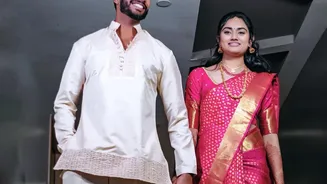
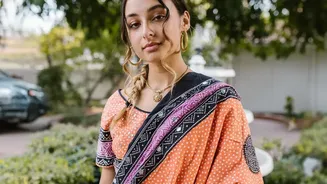
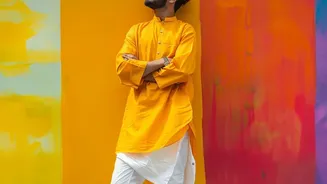
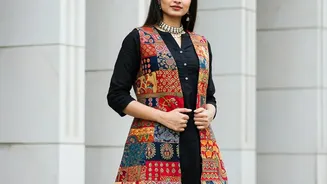
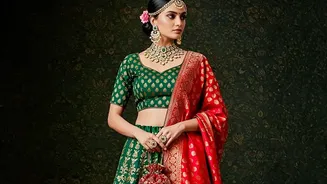
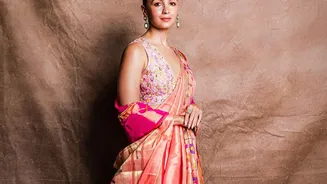
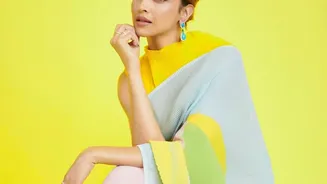
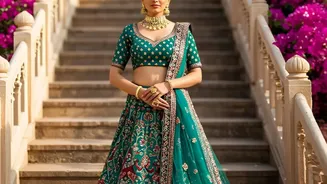
The magic of this new festive wardrobe lies in the fusion of old and new. Centuries-old crafts are being applied to silhouettes that feel distinctly current. Imagine the delicate, hand-embroidered floral patterns of Chikankari, traditionally found on kurtas, now adorning a sharp denim jacket or a two-piece co-ord set. Think of Bandhani, the intricate tie-dye technique from Gujarat and Rajasthan, appearing on a pre-draped saree gown or a playful crop top. Designers are pairing handwoven Banarasi or Chanderi silks with corset blouses and wide-leg palazzo pants. These combinations allow the craftsmanship to shine while fitting seamlessly into a modern lifestyle, transforming garments from occasional wear into versatile staples.
Driven by Sustainability and Self-Expression
This trend is deeply rooted in Gen Z's core values. Their pronounced awareness of fast fashion's environmental toll makes handloom fabrics, natural dyes, and artisan-made pieces a compelling alternative. A handwoven garment is seen not just as a beautiful object, but as an ethical choice that supports craft communities and promotes slower, more mindful consumption. Furthermore, in a globally connected world, wearing these pieces is an act of cultural pride and individuality. For many young people in the diaspora, it’s a way to connect with their heritage in a manner that feels authentic to their own experience. Social media platforms like Instagram have become a global runway, allowing them to share their remixed looks—pairing a handloom saree with sneakers or a statement dupatta with a simple dress—inspiring thousands and proving that tradition can be incredibly dynamic.
The New Guard of Indian Fashion
Fueling this movement is a new wave of contemporary Indian designers and brands who are passionate about reimagining textiles. Many are building their businesses online, connecting directly with a global Gen Z audience that is hungry for their unique vision. These labels often work in small batches, collaborating closely with craft clusters to create their collections. They are not just preserving heritage crafts as museum pieces; they are making them live and breathe in the present day. By blending artisanal techniques with modern cuts and a strong digital presence, they are proving that the future of fashion can be both beautiful and conscious, and that the richest stories are often woven directly into the fabric.