





The First Look: Sensory Checks for Freshness
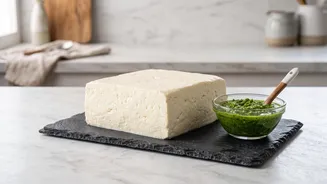
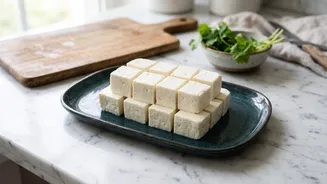
Before you even consider buying, use your senses. Fresh paneer should have a soft, creamy white or off-white colour. If it looks unnaturally bright white, it might contain bleaching agents. It should have a mild, milky aroma; any sour, acidic, or chemical
smell is a major red flag. The texture is another key indicator. Good paneer should be soft but firm, and crumble slightly when pressed. If it feels rubbery, hard, or slimy to the touch, it's best to avoid it. A squeaky texture when chewed can also be a sign of paneer that has been frozen or over-processed.
The Adulteration Problem: What's Hiding in Your Paneer?
To cut costs and increase volume, some producers resort to dangerous adulterants. Starch is one of the most common fillers, used to add weight and firmness. More alarmingly, synthetic paneer can be made from a concoction of detergents, urea, and synthetic milk, which can cause severe digestive issues and long-term organ damage. Formalin, a toxic preservative identified as a carcinogen, is sometimes used to extend shelf life, posing serious risks to the liver and kidneys. Vegetable fats like palm oil are also used to replace milk fat, reducing the nutritional value. Regular consumption of paneer with these additives can lead to hormonal disruption, liver and kidney damage, and even increase cancer risk.
Simple Home Tests for Purity
You don't need a lab to spot some common adulterants. The most reliable home method is the iodine test for starch. Boil a small piece of paneer in water, let it cool, and add a few drops of iodine solution. If the paneer turns blue or black, it confirms the presence of starch. Pure paneer will remain a brownish-yellow colour. Another test involves boiling a piece of paneer. If it breaks apart and becomes crumbly, it is likely pure. If it becomes rubbery or chewy, it may be adulterated. You can also rub a small piece of paneer between your fingers. If it leaves a greasy residue or feels soapy, it could contain detergents or synthetic milk.
Packaged vs. Loose: Making the Safer Choice
While a trusted local vendor can be a source of fresh paneer, packaged paneer generally offers more safety assurances. Reputable brands usually adhere to Food Safety and Standards Authority of India (FSSAI) guidelines, which prohibit the use of starch and non-dairy fats in paneer. Always check the packaging for the FSSAI license number, manufacturing date, and expiry date. Be wary of 'analogue paneer', which resembles paneer but is made from non-milk ingredients like vegetable oil. Recent FSSAI proposals aim to restrict these products from using the name 'paneer' to avoid misleading consumers. When buying packaged paneer, ensure the seal is intact and the package isn't puffy or bloated, which can indicate spoilage.
Proper Storage to Maintain Freshness
Once you've brought home good-quality paneer, proper storage is key to keeping it fresh. The best method is to submerge the paneer block in an airtight container filled with water and store it in the refrigerator. It's crucial to change the water every day to prevent bacterial growth and maintain its soft texture. This can keep the paneer fresh for up to a week. If you only need to store it for a day or two, you can wrap it in a damp muslin cloth and place it in a sealed container. For long-term storage, you can freeze paneer for up to a few months. Cut it into portions, wrap them tightly or place them in a zip-lock bag, and freeze. To use, thaw it in the refrigerator overnight or by soaking the frozen cubes in warm water for a few minutes before cooking to restore its softness.