


The Real Story Behind the Ban
The recent regulatory action, notably in states like Maharashtra and Chhattisgarh, isn't a blanket ban on all paneer. The prohibition specifically targets what is known as 'analogue' or 'synthetic' paneer. This is an imitation product that looks like real
paneer but is made from ingredients other than pure milk, such as vegetable fats, palm oil, starch, and various chemicals. The ban was prompted by widespread findings from food safety authorities, who discovered that a significant percentage of samples, especially loose paneer sold without proper labelling, were either substandard or completely unsafe for consumption. The issue is primarily one of mislabelling and consumer deception, where this cheaper, nutritionally inferior product is illegally sold as genuine dairy paneer.
Why Analogue Paneer Is a Health Concern
The problem with adulterated or analogue paneer goes far beyond just being a poor-quality substitute. The ingredients used to create it can pose serious health risks. Common adulterants include starch, urea, and even detergents, used to mimic the texture and appearance of real paneer. The substitution of milk fat with cheaper vegetable or palm oils can introduce unhealthy trans fats into your diet. Regular consumption of such products has been linked to a range of health issues, from immediate problems like digestive distress and food poisoning to long-term dangers such as kidney and liver damage, hormonal disruption, and an increased risk of chronic diseases. The ban is a protective measure to safeguard public health from these hidden dangers.
Your Guide to Safe and Genuine Paneer
The good news is that genuine, milk-based paneer remains perfectly safe and is not affected by the ban. Packaged paneer sold by trusted brands is the most reliable option. These products are required to adhere to standards set by the Food Safety and Standards Authority of India (FSSAI) and must list their ingredients and nutritional information. When you buy packaged paneer, you are getting a product that is subject to quality checks and is traceable back to the manufacturer. This accountability is largely absent in the loose paneer market, where adulteration is more common. Homemade paneer is another excellent and safe alternative, as you have complete control over the quality of the milk and the hygiene of the process.
How to Be a Smart Shopper
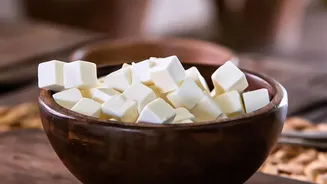
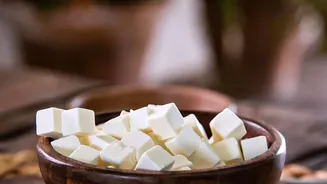
Being able to spot the difference is key. When buying packaged paneer, always check for the FSSAI license number, a clear list of ingredients (it should be milk-based), and the manufacturing and expiry dates. If you're considering loose paneer, use your senses. Real paneer has a soft, slightly crumbly texture and a fresh, milky aroma. Fake paneer often feels rubbery, overly smooth, or spongy, and may have a chemical or soapy smell. At home, a simple test can help: boil a small piece of paneer in water, let it cool, and add a drop of iodine solution. If it turns blue or black, it indicates the presence of starch, a common adulterant.