



The High-Speed Rail Vision
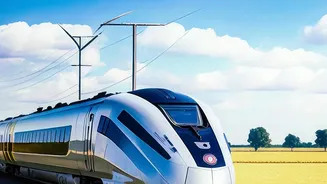
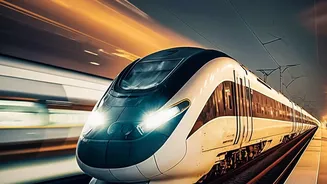
The project at the heart of this transformation is the Delhi-Varanasi High-Speed Rail (DVHSR) corridor. This is not just a faster train; it's a 'bullet train' project designed for operational speeds of 320 km/h. It is one of seven new high-speed corridors
announced in the Union Budget 2026-27, aimed at creating 'growth connectors' between India's major cities. The National High Speed Rail Corporation Limited (NHSRCL) is spearheading this ambitious 865-km line, which promises to redefine travel between the national capital and the spiritual capital of India.
Slashing Travel Time Dramatically
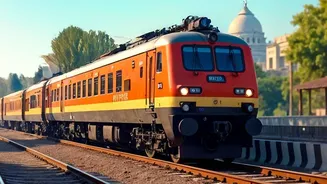
Currently, the fastest train between New Delhi and Varanasi is the Vande Bharat Express, which takes about eight hours. Other mail and express trains can take anywhere from 11 to 15 hours. The proposed bullet train aims to slash this journey to approximately 3 hours and 50 minutes. This drastic reduction would make a day trip feasible and transform business and leisure travel. The travel time to other key cities would also be cut, with the Delhi-Lucknow stretch estimated to take just under two hours.
The Proposed Route and Key Stations
The planned route is an artery through the heart of Uttar Pradesh, connecting major economic, tourist, and religious hubs. The corridor will start from Sarai Kale Khan in Delhi and will have about 12 stations. Key proposed stops include Noida, the upcoming Noida International Airport at Jewar, Mathura, Agra, Lucknow, and Prayagraj before terminating in Varanasi. This alignment would not only connect Delhi and Varanasi but also integrate the iconic Taj Mahal in Agra and the new international airport into the high-speed network, creating a powerful tourism and transit circuit. A spur line to connect Ayodhya via Lucknow is also part of the plan, further enhancing connectivity for pilgrims.
What is the Project's Current Status?
As of late 2026, the Delhi-Varanasi High-Speed Rail corridor is in the advanced planning or pre-construction phase. The Detailed Project Report (DPR) has been prepared and submitted to the Ministry of Railways. Activities like LiDAR surveys for precise alignment and finalising the route have been completed. The project was officially included as a priority in the 2026-27 Union Budget. However, major construction has not yet been sanctioned or started. The next crucial steps involve land acquisition and finalising the financial model for the estimated Rs 1.21 lakh crore project.
What Are the Travel Options Today?
While the bullet train is still a future prospect, travellers from Delhi to Varanasi have several options now. The fastest is by air, with flights taking around 1 hour and 20 minutes, though this doesn't include travel to and from airports. By rail, the Vande Bharat Express offers the quickest journey at 8 hours, providing a modern and comfortable experience. Numerous other daily and weekly trains connect the two cities, offering a range of classes and price points to suit different budgets, with journey times typically falling between 11 and 15 hours.