


A Tale of Two Textures
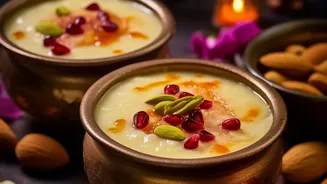
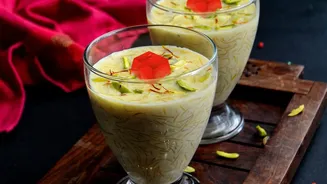
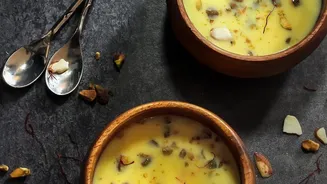
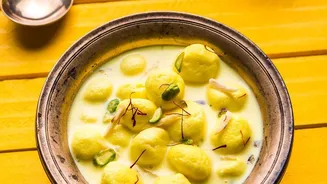
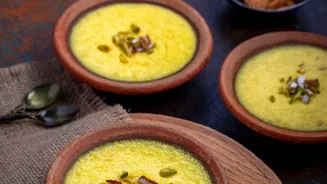
At its heart, Rasmalai is a study in softness. It consists of delicate, spongy discs of chenna (a fresh, unripened cheese) soaked in a fragrant, sweetened milk often infused with cardamom, saffron, and pistachios. The dessert’s signature appeal lies in how
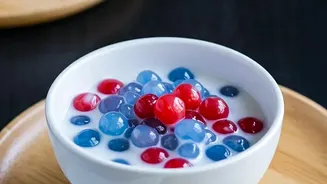
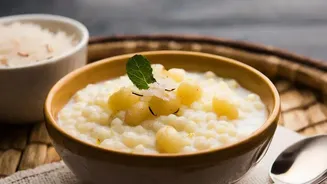
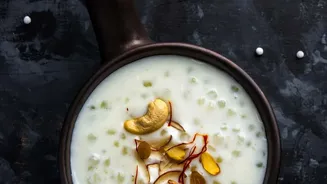
it melts in your mouth, a creamy, luscious experience beloved across the country. Enter tapioca pearls, the star ingredient of bubble tea. These small spheres, made from cassava starch, are prized for their uniquely chewy and springy quality, a texture known in Taiwan as 'QQ'. On their own, they have very little taste, making them a textural ingredient first and foremost. When these two meet in a bowl, it’s a deliberate clash of culinary sensations: the pillowy softness of Rasmalai against the resilient chew of boba.
The Textural Takeover
The primary change when you add boba to Rasmalai is, without a doubt, textural. The familiar, tender bite of the chenna patty is suddenly interrupted by a bouncy, gelatinous chew. Instead of a uniform softness, your palate has to navigate two distinct and opposing mouthfeels. For many, this is the entire point. The trend of adding boba to everything from cakes to cookies is driven by a growing fascination with texture as a key component of the eating experience. The chewiness of the pearls adds a playful, surprising element to the otherwise smooth dessert. However, for a Rasmalai purist, this can feel like a disruption. The gentle, yielding nature of the classic sweet is fundamentally altered, replaced by a more interactive and, some might argue, distracting chewiness.
Flavour Remains Faithful
While the texture undergoes a revolution, the flavour profile remains largely unchanged. Standard tapioca pearls are essentially a blank canvas. They are designed to absorb the flavour of the liquid they are soaked in. In bubble tea, that's often a brown sugar syrup. In a bowl of Rasmalai, they soak up the sweet, saffron-and-cardamom-infused milk. The pearls themselves don’t introduce a new taste; they simply become little carriers for the existing one. The dessert still tastes unmistakably of Rasmalai—creamy, aromatic, and rich. The only difference is that you get that classic flavour delivered in chewy bursts alongside the traditional spongy discs. So, if you’re worried about the taste of your favourite mithai being compromised, you can rest easy.
A Trend Born from Curiosity
The fusion of Rasmalai and boba is part of a larger movement in the dessert world where texture is the new frontier for innovation. Chefs and home cooks are increasingly experimenting with adding chewy, popping, and crispy elements to traditional dishes to create new sensory experiences. Boba has been added to ice cream, pastries, and even cheesecakes. The Rasmalai boba trend, which exists in various forms from drinks to plated desserts, is a perfect example. It caters to an adventurous palate, one that seeks novelty and enjoys surprising combinations. It's less about 'improving' a classic and more about reinterpreting it for a new generation of diners who grew up with the global phenomenon of bubble tea.
So, Is It Worth Trying?
The answer depends entirely on what you value in a dessert. If you are a traditionalist who cherishes Rasmalai for its delicate, melt-in-your-mouth consistency, this fusion might not be for you. The assertive chewiness of the tapioca pearls fundamentally changes that core characteristic. However, if you are a culinary adventurer who loves bubble tea and enjoys playful textures, you will likely find Rasmalai with boba to be a delightful and interesting experiment. It offers a new way to experience a familiar flavour, transforming a classic sweet into a more interactive and modern treat. The key is to go in with the right expectations: you’re signing up for a textural journey, not a flavour transformation.