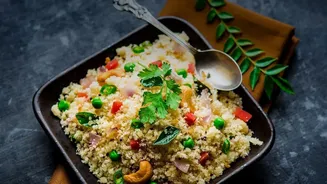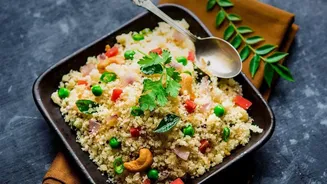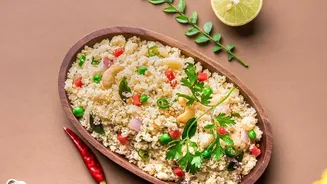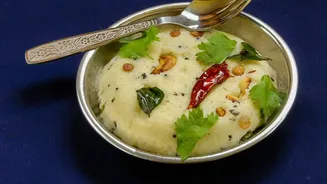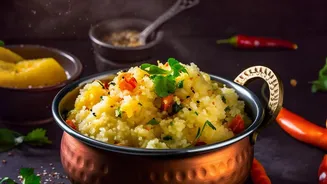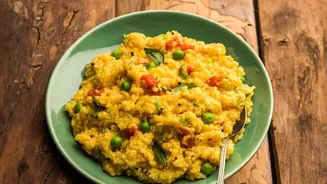


The Classic: Rava Upma
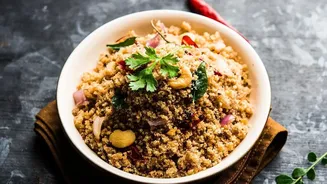
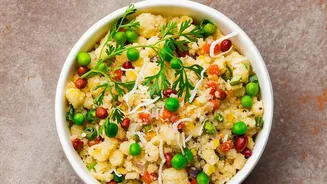
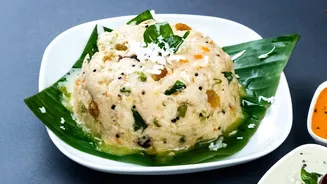
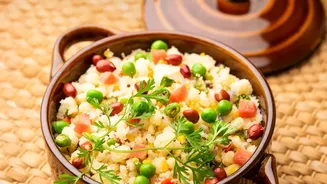
Let's start with the one we all know and love. Made from dry-roasted semolina, or rava, this is the quintessential upma. Its preparation is a simple art: a tempering of mustard seeds, lentils, and curry leaves sizzles in hot oil, followed by onions and green
chillies. The roasted rava is then cooked in hot water until it absorbs the liquid and becomes fluffy. While delicious on its own, it’s often served with a side of coconut chutney or a sprinkle of sugar, showcasing its incredible versatility from the get-go. This version is the foundation upon which countless variations are built.
The Noodle-Like Twist: Semiya Upma
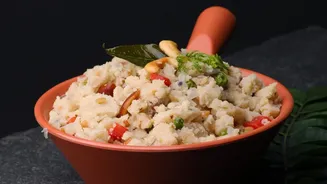
Swap the semolina for vermicelli (semiya), and you get a dish with a completely different personality. Semiya Upma, or Vermicelli Upma, has a lighter, non-sticky texture that feels more like a savoury noodle dish. The thin strands of roasted vermicelli are cooked with a similar mix of tempered spices and sautéed vegetables like peas and carrots. The key is to cook the vermicelli until it's just tender, ensuring the strands remain separate and don't turn mushy. It’s a favourite in many households for its delightful texture and quick cooking time.
The Resourceful Meal: Bread Upma
What do you do with leftover bread that's a day or two old? You make Bread Upma. This ingenious recipe transforms stale bread into a spicy, tangy, and satisfying meal in minutes. Cubes of bread are tossed into a fragrant masala of onions, tomatoes, and spices. The bread soaks up all the flavours, becoming soft and savoury. It’s a popular dish in Maharashtrian and South Indian homes, proving that some of the best meals are born from a desire to waste nothing. It’s a quick-fix breakfast or snack that feels like a treat.
The Karnataka Special: Khara Bath
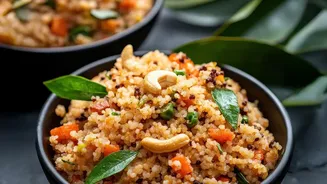
Head to Karnataka, and you'll find that 'upma' is often called Khara Bath. While it uses semolina like the classic version, Khara Bath is its spicier, more aromatic cousin. It is often loaded with finely chopped vegetables like carrots, beans, and potatoes, and gets a signature flavour from a special spice powder known as Vangi Bath powder. This blend typically includes cinnamon, cloves, and dried chillies, giving the dish a warm, complex, and savoury kick. It’s a flavour-packed meal that stands proudly on its own, often enjoyed with a side of sweet Kesari Bath.
The Fasting Favourite: Sabudana Upma
During religious fasting periods like Navratri or Ekadashi, Sabudana Upma (also called Sabudana Khichdi) takes centre stage. Made from tapioca pearls (sago), this dish has a unique, chewy texture. The pearls are soaked beforehand and then gently tossed with boiled potatoes, roasted peanuts for crunch, green chillies, and cumin seeds. Since it’s often made for fasting, ingredients like onions and garlic are typically omitted. The result is a light yet filling dish that provides a good dose of carbohydrates for energy. It’s gluten-free, vegan, and utterly delicious.
The Hearty Grain: Arisi Upma
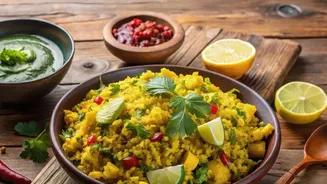
A traditional dish from Tamil Nadu, Arisi Upma is made from coarse rice rava (broken raw rice). Sometimes, toor dal is added to the rice before grinding, lending a unique flavour and texture. This version is heartier and has a more robust, grainy texture compared to its semolina counterpart. Seasoned with peppercorns, cumin, and curry leaves, it's a comforting and rustic dish that has been passed down through generations. It's often finished with grated coconut, adding a touch of sweetness and richness to the savoury base.