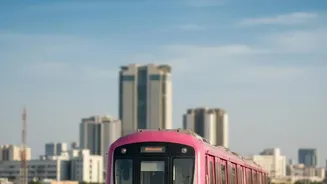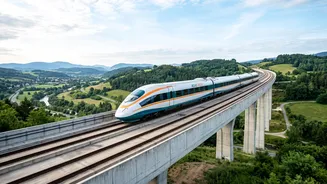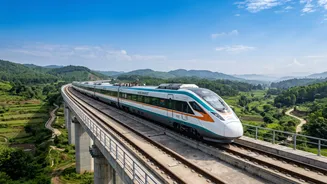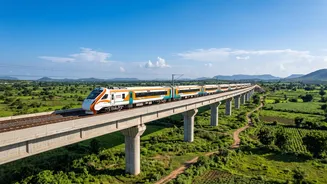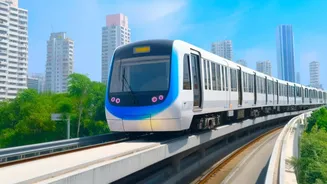

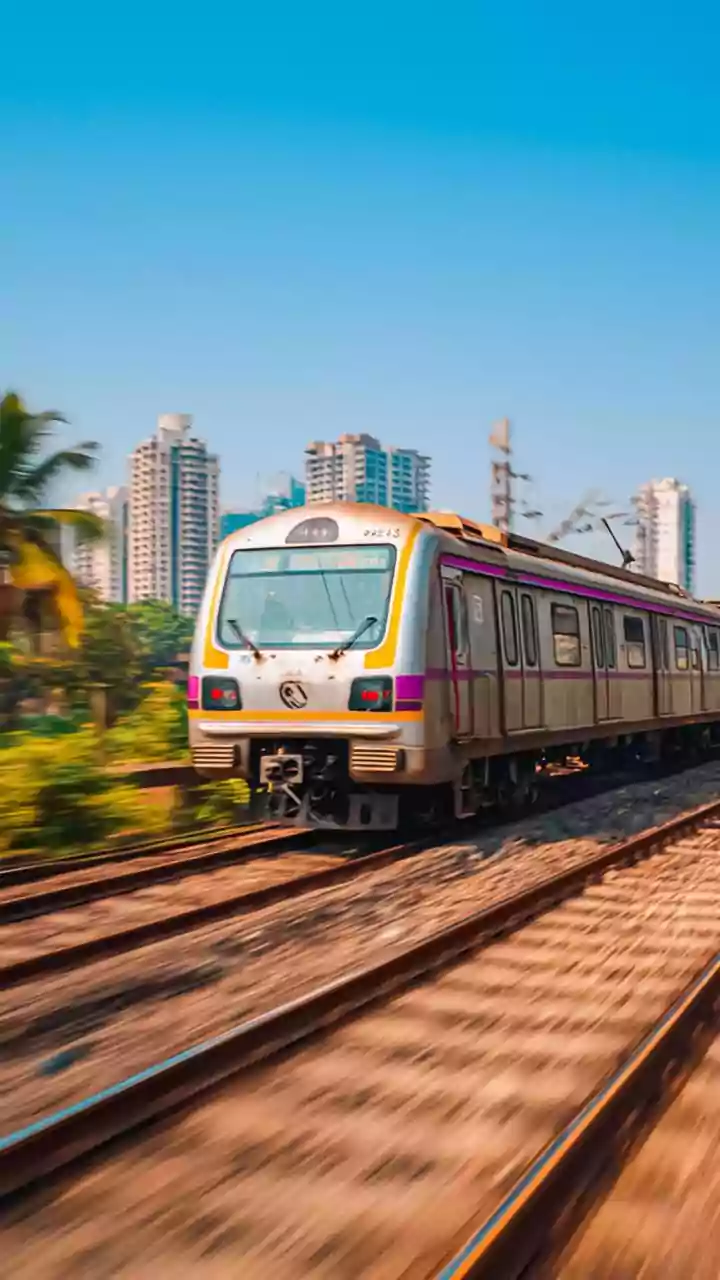




The long, often gridlocked commute between Delhi and Meerut is a daily challenge for lakhs of people. Now, a transformative change is here with the introduction of new, even faster Namo Bharat services, promising to slash travel time significantly.
The New 'Fast Train' Advantage
The
National Capital Region Transport Corporation (NCRTC) has introduced new 'fast' train services on the fully operational Delhi-Ghaziabad-Meerut corridor. Starting from mid-November 2026, these limited-stop trains are specifically designed to serve peak-hour commuters, reducing the end-to-end journey time between Sarai Kale Khan in Delhi and Modipuram in Meerut to less than 50 minutes. This is a notable improvement over the regular services, which take about 55 to 60 minutes to cover the same 82-kilometre stretch. The fast services operate during morning and evening rush hours, with departures from both ends at 8:00 AM, 8:30 AM, 6:00 PM, and 6:30 PM.
Understanding the Route and Stops
Unlike the regular Namo Bharat trains that halt at all stations, the new fast services make only five stops: Sarai Kale Khan, Anand Vihar, Ghaziabad, Begumpul, and Modipuram. This strategic reduction in halts is what allows for the significant time savings. For instance, the journey between Anand Vihar and Ghaziabad is now just eight minutes on these trains. Similarly, travel time between Ghaziabad and Meerut's Begumpul station is cut to about 28 minutes. Commuters are advised to check station display boards to distinguish between the fast and regular services, as the latter will continue to operate at a frequency of about 10-15 minutes, serving all stations along the corridor.
A Leap in Commuter Technology
The Namo Bharat, India's first Regional Rapid Transit System (RRTS), is a new class of public transport that bridges the gap between the metro and conventional railways. The trains are designed for a maximum speed of 180 kmph, with an operational speed of 160 kmph, making them the fastest transit system in the country. The service uses advanced technology like the European Train Control System (ETCS) Level 2, which ensures high levels of safety and allows for high-frequency operations. The entire 82.15 km Delhi-Meerut corridor, built by NCRTC, became fully operational in February 2026 and now serves over 1.1 lakh passengers daily.
Inside the Coaches and Fares
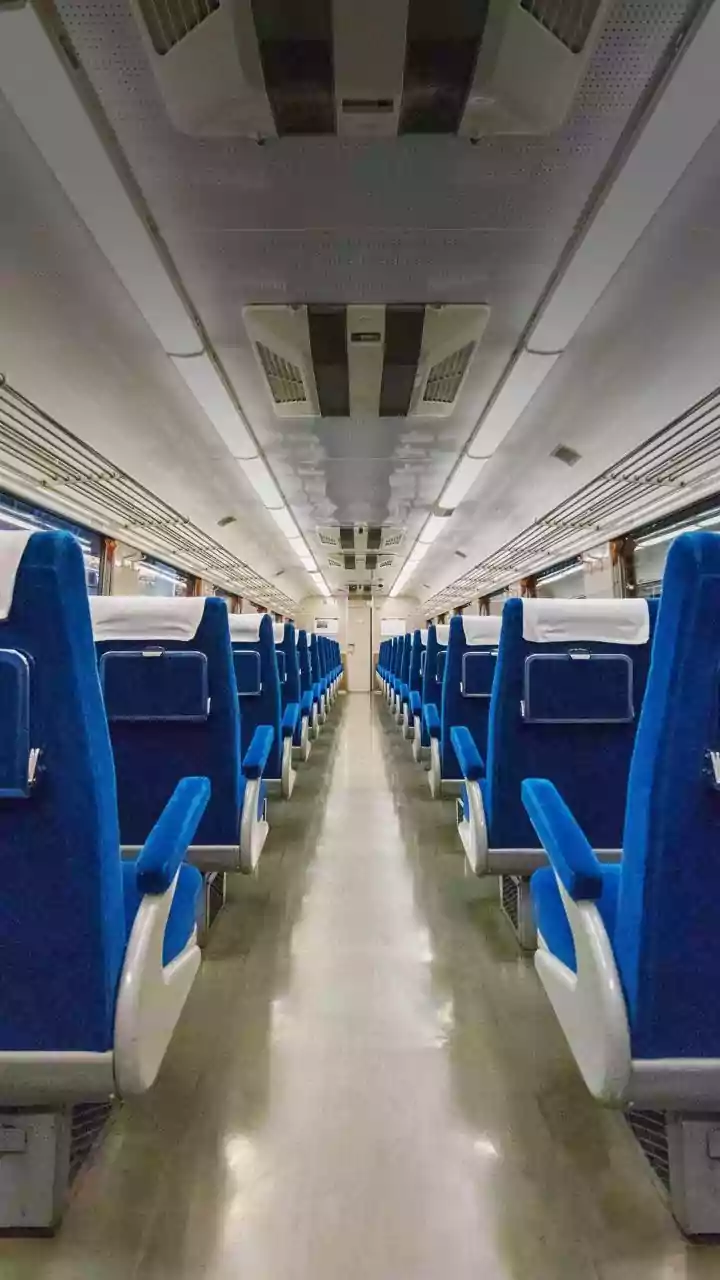
The Namo Bharat trains offer a comfortable and modern travel experience. They feature air-conditioned coaches with both 'Standard' and 'Premium' class options. The premium coach, typically the first in the direction of travel, offers wider, reclining seats and is accessible through a dedicated lounge at the platform level. All coaches are equipped with Wi-Fi, mobile charging points, luggage racks, and a real-time passenger information system. Fares are calculated based on distance, with a journey across the full corridor costing approximately ₹210 for a standard class seat. Passengers using NCMC-compatible cards or the official mobile app can avail discounts on their fares.
The Bigger Picture for NCR
The Delhi-Meerut RRTS is more than just a new train line; it's a foundational piece of a larger plan to promote polycentric development in the National Capital Region. By providing fast, reliable, and comfortable connectivity, the corridor aims to reduce dependence on private vehicles, which is expected to take over 1 lakh cars off the road and cut down CO2 emissions significantly. It integrates seamlessly with Delhi Metro, Indian Railways, and Inter-State Bus Terminals (ISBTs), creating a multi-modal transport web. This project is the first of several planned RRTS corridors, including lines to Panipat and Alwar, that will eventually stitch the entire NCR into a single, economically integrated region.