


Trek to Europe’s Highest Village: Khinaliq
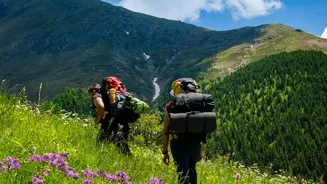
Perched at over 2,300 metres in the Greater Caucasus, Khinaliq is one of the highest and oldest continuously inhabited villages in Europe. This is more than just a hike; it’s a journey into a unique cultural landscape, recently recognized by UNESCO. The
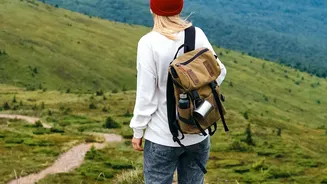
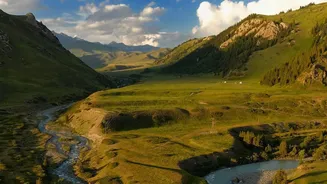
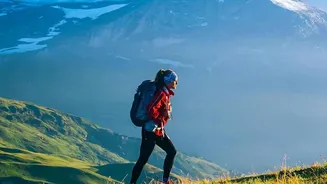
most popular route is the marked trail connecting Khinaliq to the neighbouring village of Galakhudat. This roughly 8-kilometre trek offers breathtaking views of the Gudyalchay River Valley and the rugged peaks of the Gizilgaya massif. The trail winds through high-altitude meadows and past dramatic cliffs, offering a moderate challenge suitable for most hikers. The real reward is experiencing the ancient culture of Khinaliq, where locals speak their own distinct language and maintain a way of life that has endured for centuries.
Explore a Subtropical Paradise: The Talysh Mountains
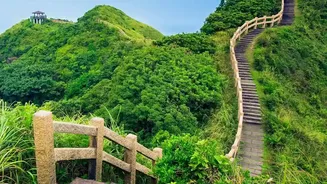
For a completely different flavour of Azerbaijani nature, head south to the Talysh Mountains near the Iranian border. This region’s humid, subtropical climate supports the ancient Hirkan National Park, a forest ecosystem filled with rare, endemic tree species. Unlike the stark, rocky beauty of the Greater Caucasus, hiking here means wandering through dense, 'hobbit-like' forests with tall trees, lush greenery, and gurgling streams. The area is less developed for tourism, making it a genuinely offbeat choice. Trails leading to remote villages like Sim offer a sense of discovery, taking you through landscapes that feel more like a landscaped country park than a rugged wilderness. It’s an ideal destination for those who enjoy forest walks and birdwatching in a serene, untouched environment.
Discover Mountain Jewels: Göygöl National Park
Home to a series of stunning mountain lakes, Göygöl National Park in western Azerbaijan is a masterpiece of natural beauty. The park's centerpiece, Lake Göygöl (meaning 'Blue Lake'), was formed by an earthquake in the 12th century and is known for its crystal-clear, deep blue waters reflecting the surrounding forested slopes. While the main lake is a popular sight, quieter trails lead to other gems like Maralgöl. The park offers a variety of well-marked paths winding through dense forests of pine, oak, and beech. Hiking here is less about extreme altitude and more about soaking in the tranquil atmosphere, with opportunities for leisurely walks, picnicking, and wildlife spotting. The park’s rich biodiversity includes the Caucasian red deer and up to 80 species of trees and shrubs.
Chase Waterfalls in Laza and Kuzun
Nestled in the Gusar region, the village of Laza is a popular base for hikers, known for its dramatic twin waterfalls and easy access to the high peaks of the Shahdag range. A classic route is the well-marked trail connecting Laza to the nearby village of Kuzun. This moderately difficult hike is roughly 6.5 km and offers spectacular views of Mount Shahdag and Mount Gizilgaya. The trail descends through valleys, crosses the Gusarchay River, and passes through sparse forests, offering a variety of scenery in a relatively short distance. The region is inhabited by the Lezgi people, and hiking here provides a glimpse into the local culture of these mountain communities. With established guesthouses in Laza, it's an accessible yet thrilling way to experience the Greater Caucasus.
Hike Through History: Ilisu State Reserve
For a hike that blends rugged nature with deep history, the Ilisu State Reserve in the Gakh region is an excellent choice. The area was once the heart of the Ilisu Sultanate, and the trails are dotted with historical monuments, including ancient defence towers and fortresses. A challenging but rewarding trek runs between Ilisu village and Gashgachay, a physically demanding 16 km route with steep ascents and descents that takes you through forests and high-altitude pastures. The reserve protects a rich ecosystem on the southern slopes of the Greater Caucasus, with wildlife like wild boar and numerous bird species. This route is for more experienced hikers but rewards with unparalleled views and a powerful sense of connection to the region’s past.